Full Article
about El Pedernoso
Municipio de Cuenca
Ocultar artículo Leer artículo completo
The petrol pumps outside the Cooperativa Agrícola shut at half-past one. If you arrive at two, you’ll find a handwritten card wedged behind the nozzle: “Volvemos a las 5”. That single notice tells you more about El Pedernaloso than any guidebook. Five thousand souls, one ATM, no hotels, and a rhythm still dictated by wheat, wind and the certainty that nothing urgent ever happens after lunch.
Horizon, ham and hard cheese
El Pedernaloso sits at 780 m on the high southern tableland of Cuenca province, halfway between the A-3 motorway and the horizon that Cervantes sent Don Quixote tilting at. The land is flatter than East Anglia and the sky feels twice the normal height. In April the fields glow emerald; by late June they have bleached to the colour of digestive biscuits. Wind turbines turn slowly on the southern ridge, their blades making the only movement in an otherwise static landscape.
The village itself is a compact grid of whitewashed houses, wooden doors big enough for a mule and a cart, and iron grilles painted the deep green you see on every country church from here to Albacete. The 16th-century parish tower doubles as the local time-piece: bells count the hours, the quarters, and, at 13:30, the unofficial start of siesta. Shutters clatter, the sole supermarket dims its lights, and the single bar that bothers to open in mid-week fills with farmers discussing barley yields over a caña.
They will almost certainly be eating Manchego curado, sliced thick and served on a scrap of wax paper. The cheese arrives from a dairy five kilometres away; ask for “semicurado” if you prefer it less brittle. Pair it with the house red—usually a young Valdepeñas served at cellar temperature—and the bill struggles to reach six euros. Vegetarians can fall back on pisto manchego, a smoky ratatouille topped with a fried egg, but expect everything to arrive with a basket of farmhouse bread that could stun a pigeon.
Walking nowhere in particular
There are no signed trails, no visitor centre, and no gift shop. What you do get is 360 degrees of agricultural track that stitches El Pedernaloso to its neighbours like loose buttons on a coat. Park at the entrance to the polideportivo, follow the gravel lane past the irrigation pond, and within twenty minutes you are alone except for crested larks and the occasional tractor dust cloud. The plain is so level that distances deceive: the ruined ermita you think is ten minutes away takes thirty, and the hamlet that looks a gentle stroll requires a two-hour round trip. Take water—there is neither café nor fountain once the last house is behind you.
Spring and autumn are the comfortable seasons. Summer starts in May and hangs on until October; midday temperatures flirt with 38 °C and the wind can feel like someone aiming a hairdryer at your face. Winter, on the other hand, is sharp. Night frosts are common, the wheat stubble turns pewter-grey, and the bars light their braseros—low tables with a gas heater underneath and a long cloth to trap the warmth. It is the best time to see great bustards: the world’s heaviest flying bird sometimes feeds within binocular range of the CU-902 road, though you will still need patience and a pair of decent optics.
Saturdays, saints and the single screen
If you insist on a timetable, Saturday is the only morning the village feels busy. Farmers drive in for the weekly market (three stalls, one of which sells only socks), the bakery doubles its output, and the bar owner switches the television from rolling news to Granja de los famosos with the volume turned up just high enough to drown the clatter of coffee cups. By two o’clock the square is empty again; even the dogs look as though they have clocked off.
Festivals follow the agricultural calendar rather than any logic of tourism. The fiestas patronales land in mid-August, when returning emigrants inflate the population to perhaps seven thousand. Expect a procession, a brass band that has clearly been practising since last year, and a temporary bar under the plane trees serving mojitos for three euros a throw. In January, the feast of San Antón brings a bonfire in the plaza and the parish priest blessing pets, tractors and, on one memorable occasion, a goat wearing a Leeds United scarf. Semana Santa is low-key: two processions, no incense, and the bars stay open because even the cofradía members fancy a brandy once the statues are back in storage.
Windmills you can actually touch
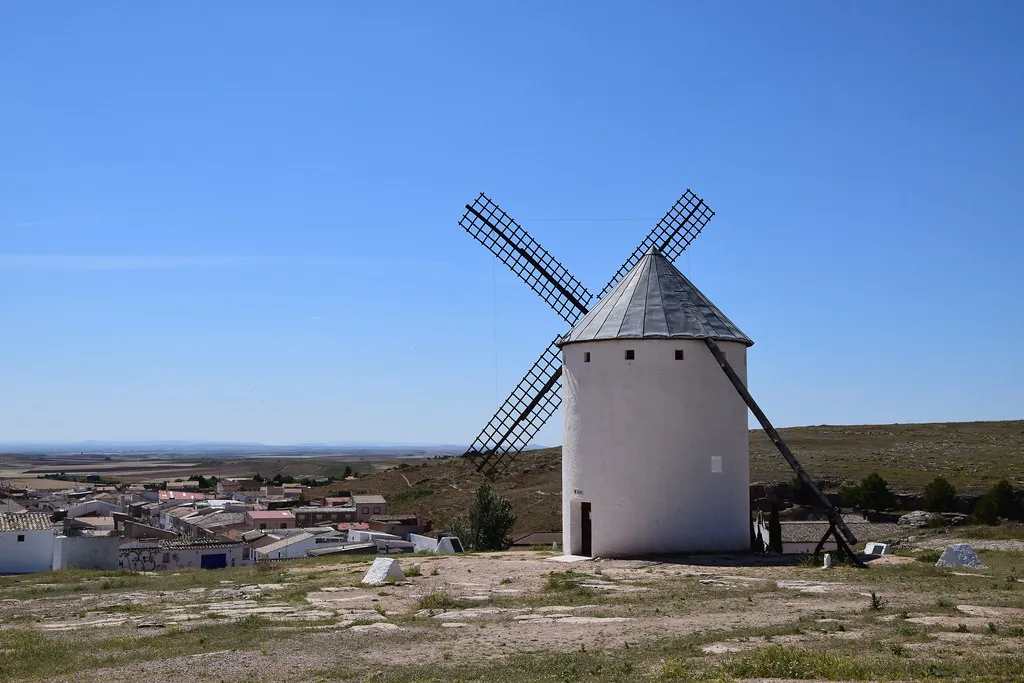
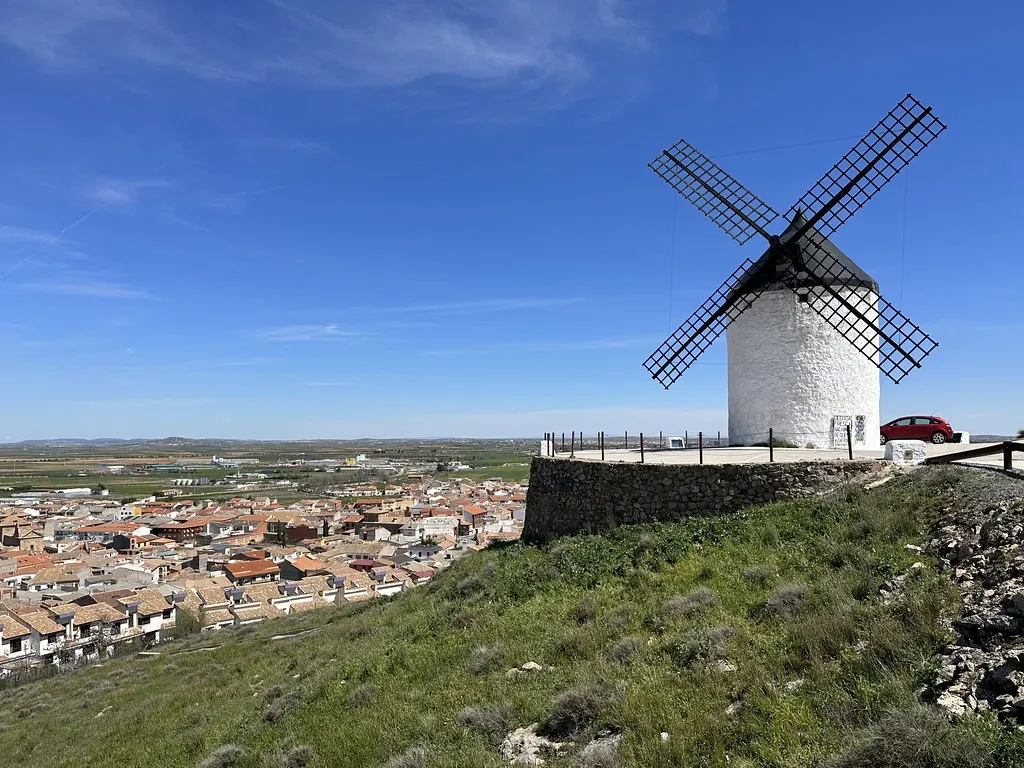
El Pedernaloso has no windmills of its own, a fact that disappoints coach parties who assume every La Mancha village comes with white sails. The nearest examples stand fifteen kilometres away in Mota del Cuervo. Five of them crown a limestone ridge above the A-3; on Saturday mornings the molino nicknamed El Gigante runs its wooden machinery for visitors, and the miller will let you heave the sack hoist if you ask nicely. Combine that with coffee in El Pedernaloso and lunch in mediaeval Belmonte and you have a classic Cuenca day-trip that avoids the coach-stop queues of Consuegra.
Logistics are straightforward only if you have a car. Valencia airport is 160 km east—Ryanair and EasyJet both run daily flights from London Stansted. Collect your hire car, swing onto the A-3 towards Madrid, and leave at junction 245. The final fifteen kilometres cross wheat fields so uncluttered you half expect to see a BBC period-film crew setting up by the verge. Petrol stations are scarce once you leave the motorway; fill up at the Repsol by the junction because, as you now know, the village pumps clock off at lunch. There is no railway, and the weekday bus from Cuenca takes two hours, waits forty-five minutes, then turns round and goes back.
Why bother?
Because El Pedernaloso offers what the Costas have mislaid: a place where tourism is still accidental rather than economic oxygen. You will not tick world-class sights, post jaw-dropping selfies, or dine in Michelin-listed restaurants. Instead you get silence wide enough to hear your own footsteps, cheese made within sight of the grazing herd, and the dawning realisation that “nothing to do” can feel remarkably like freedom. Just remember to fill the tank before one-thirty—and do not expect the ATM to have any tenners left on a Saturday.