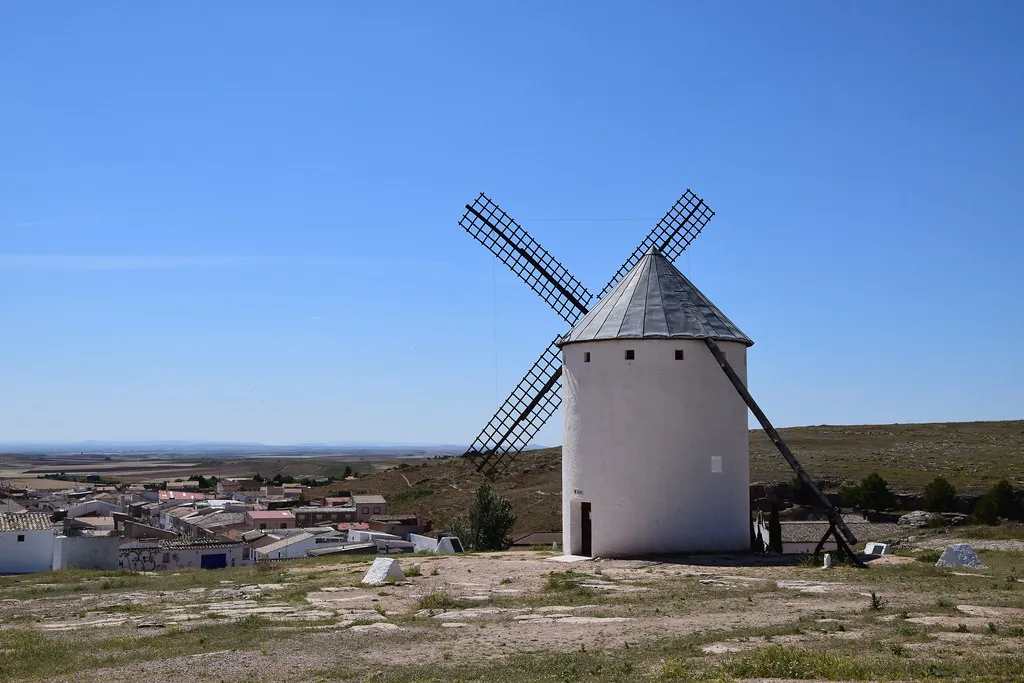
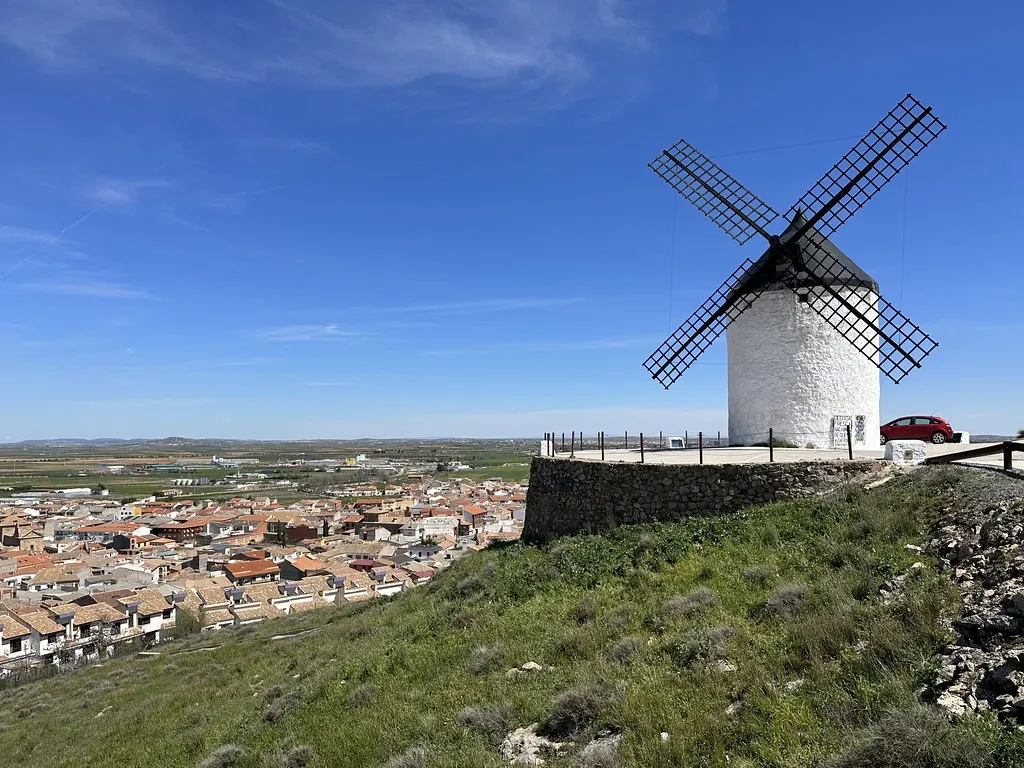
El Provencio - Flickr
Junta de Comunidades de Castilla-La Mancha · Flickr 5
Castilla-La Mancha · Land of Don Quixote

El Provencio

Seven hundred metres above sea level and exactly halfway between nowhere in particular, El Provencio’s main street carries more combine harvesters ...

2,327 inhabitants · INE 2025
700m Altitude

Why Visit

Castle of El Provencio Mural Route

Best Time to Visit

summer

Comic Fair (July) agosto

Things to See & Do
in El Provencio

Heritage

  • Castle of El Provencio
  • King’s Bridge
  • street-art murals

Activities

  • Mural Route
  • Comic Fair

Festivals
& & Traditions

Fecha agosto

Feria del Cómic (julio), Fiestas de Agosto

Las fiestas locales son el momento perfecto para vivir la autenticidad de El Provencio.

Full Article
about El Provencio

Town with a castle and Renaissance bridge; known for comics and street art

Ocultar artículo Leer artículo completo

The Village that Refuses to Rush

Seven hundred metres above sea level and exactly halfway between nowhere in particular, El Provencio’s main street carries more combine harvesters than rental cars. That single fact tells you most of what you need to know about this scatter of white-washed houses on the Cuenca border: tourism is welcome, just don’t expect anyone to drop the plough for it.

Drive in at dawn between April and June and you’ll meet the daily parade—locals heading to the cereal plots that glow gold under a sky so wide it feels unfairly Photoshopped. The air smells of dry straw and diesel; swifts dive above the bell tower of San Juan Bautista; a farmer salutes from the cab of a 1989 John Deere. It is, unapologetically, a working scene rather than a prettified one, and that authenticity is what persuades Valencia-bound Britons to break the motorway monotony here instead of pushing on to the coast.

A Church, a Plaza, and a Hundred Years of Sundays

There’s no checklist of must-sees. The sixteenth-century parish church dominates the modest plaza, its rough stone tower patched so often it resembles a patchwork quilt in masonry. Step inside and the temperature drops ten degrees—welcome relief when the Meseta’s summer thermostat nudges 38 °C. The altarpiece is pure Castilian restraint: no ostentatious gold, just carved wood darkened by centuries of incense and candle smoke. Visitors are free to wander; if the door is locked, nip into the council office opposite and someone will fish out a key with the easy trust rural Spaniards still extend to strangers.

Surrounding streets reveal vernacular Manchego architecture at its most honest: single-storey houses built around tiny patios, wooden gates painted the colour of sangria, and the occasional over-ambitious geranium. Nothing is postcard-perfect; paint peels, dogs nap across doorways, and elderly men argue over dominoes at Bar Alameda. That’s the appeal. Sit on the plaza bench long enough and the barman will appear with a complimentary pinchito of mature Manchego and a glass of chilled rosado simply because “you looked thirsty”.

Vineyards, Sunflowers and the Smell of Saffron

Head ten minutes out of town on the CM-412 and the landscape tilts into row upon row of Tempranillo vines belonging to the La Mancha D.O. September’s grape harvest draws seasonal workers from across the province; most mornings you can follow the tractors to Bodega Ntra. Sra. del Rosario, the only cellar with regular opening hours. A short tasting costs €5 and includes three wines plus a plate of local chorizo. The prize pour is the barrel-aged Crianza—dark enough to stain the glass and smooth enough to make the drive back to the hotel inadvisable.

If wine doesn’t entice, try late-October when a faint violet haze settles over the fields. That’s Crocus sativus in flower, and for two frantic weeks villagers pick the crimson stigmas that become Spain’s most expensive spice. A gram of El Provencio saffron sells for €8 from the cooperative on Calle San Roque; buy early because Madrid restaurants hoover up the lot. The cooperative will vacuum-seal it for customs, so you can legitimately claim “agricultural research” when the Heathrow sniffer dog takes interest.

Walk, Pedal, Then Collapse Under an Olive Tree

Ordnance Survey-style path networks don’t exist here, but farm tracks are public by default and the land is so open it’s impossible to get lost. A lazy circuit south towards San Clemente passes sunflower graveyards in autumn—towering stalks bowed under the weight of their own seeds—and the occasional stone hut where shepherds once weathered winter storms. The round trip is 12 km, entirely flat, and you’re more likely to meet a hare than another human.

Cyclists fare better: the old railway bed between El Provencio and Las Mesas has been gravelled for bikes and wheelchairs. Bring hybrid tyres, water, and a sense of humour; the only facilities en-route are a trough for livestock that the local farmer swears “tastes better than Evian”. Summer heat is brutal, so start at sunrise or risk melting into the bitumen.

What to Eat and Where to Sleep

Food is Castilian farm fare: robust, meat-heavy, and proudly unsuitable for bikini-body diets. Lunch at Mesón La Mancha on Calle Gran Vía starts with morteruelo, a silky pork-liver pâté spiked with clove and served on toasted farmhouse bread. Follow it with gazpacho manchego—nothing like the chilled Andalusian soup, this is a thick game stew thickened with flat-bread and best approached with a spoon and sturdy appetite. A two-course menú del día, bread and half a litre of house wine clocks in at €14; card payments accepted but cash speeds service.

The only place open for evening dining is inside Hospedería Bodega Ntra. Sra. del Rosario, the village’s solitary hotel. Doubles from €65 sport four-poster beds wide enough for a tractor tyre and bathrooms bigger than most London flats. Request a courtyard room; you’ll wake to the smell of fresh bread drifting from the kitchen and the soft thud of grapes dropping into collection vats. The receptionist speaks fluent English—handy when you need directions to the 24-hour medical centre or simply want to know why the church bells chime at 06:27 every single morning.

The Catch (There’s Always One)

El Provencio is not for night owls. Once the restaurant closes at 22:30 the village resembles a power-cut scene from a period drama. Street lighting is deliberately dim to benefit local wildlife; bars shut and even dogs retire. Bring a book, a bottle of that Crianza, and accept that bedtime will shift earlier than usual. Sundays are deader still—fill the petrol tank and buy breakfast pastries on Saturday because the only open corner shop boards up faster than you can say “siesta”.

Road access is straightforward: leave the A-3 at kilometre 174, follow the CM-412 for 26 km and you’re there. Public transport is less obliging. Samar runs one daily coach from Madrid’s Estación Sur at 15:15, arriving 18:05; the return departs 07:20, which means either a very long day or an overnight stay. Without your own wheels you’re hostage to that solitary timetable and the mercy of passing farmers.

Last Orders

El Provencio won’t change your life, but it might realign it. A single afternoon here reminds you that Spain is more than flamenco posters and overpriced sangria: it is still a country where neighbours share tomatoes over the fence, where the priest knows every soul by nickname, and where the loudest noise at midnight is a chorus of contented frogs in the irrigation ditch. Pause, buy a sachet of saffron, drink the wine that never reaches export shelves, and leave before the tractors wake you at six.

Key Facts

Region
Castilla-La Mancha
District
La Mancha
INE Code
16171
Coast
No
Mountain
No
Season
summer

Livability & Services

Key data for living or remote work

2024
ConnectivityFiber + 5G
TransportTrain 13 km away
HealthcareHealth center
EducationHigh school & elementary
Housing~5€/m² rent · Affordable
Sources: INE, CNMC, Ministry of Health, AEMET

Official Data

Institutional records and open data (when available).

  • SANTIAGO DE LA TORRE
    bic Genérico ~6.4 km

Planning Your Visit?

Discover more villages in the La Mancha.

View full region →

More villages in La Mancha

Traveler Reviews