Full Article
about Horcajo de Santiago
Historic town of the Order of Santiago, known for the El Vítor festival.
Hide article Read full article
Horcajo de Santiago, sin aspavientos
Algunos pueblos te reciben con un arco triunfal. Horcajo de Santiago no. Llegas por la carretera, aparcas sin drama y en cinco minutos estás en la plaza. Así empieza aquí el turismo, sin ceremonia.
Lo primero que notas es el ritmo. La gente cruza la plaza, un vecino se para a hablar en mitad de la calle y los coches pasan lentos. Con unos 3.800 habitantes, la escala del lugar encaja rápido. Todo está cerca y casi todo se hace andando.
Es ese tipo de sitio donde la plaza sigue siendo el punto de encuentro. Los bancos están ocupados, las conversaciones se alargan y el tiempo parece menos apretado. Unas horas bastan para entrar en ese compás.
Una iglesia que tomó su tiempo
La Iglesia de la Inmaculada Concepción domina el centro. Es grande y de aspecto serio. Parece aún mayor vista desde la plaza. Empezaron a construirla en el siglo XVI y les llevó lo suyo. Esa lentitud se nota en los detalles. Hay partes más sobrias y otras con algo más de decoración, como si cada generación hubiera puesto su capa.
Enfrente está el antiguo Hospital de Pobres. Hoy es una vivienda privada, pero su fachada delata su origen. Las columnas de piedra y algunos elementos recuerdan mucho a los de la iglesia. Probablemente los mismos canteros trabajaron en ambos edificios.
Un poco más allá está la Casa de la Cadena. El nombre suena a novela, pero solo recuerda una visita real hace siglos. Ahora es otra casa en la calle. Hay una placa y poco más. Es fácil pasarla por alto.
Estos edificios dan a Horcajo un hilo arquitectónico discreto. Nada parece hecho para espectáculo.
Casas que son cuevas
En una salida del pueblo, el paisaje cambia. Las casas parecen incrustadas en la ladera, excavadas parcialmente en la tierra. De lejos son construcciones pequeñas y dispersas. De cerca entiendes la lógica: muchas se extienden hacia dentro, metidas en el cerro.
Sus chimeneas salen directamente del suelo, como tubos plantados en medio del campo. Es una imagen rara al principio, pero tiene sentido aquí: se construía con lo que había: tierra, pendiente y piedra.
Este tipo de construcción es práctica, no decorativa: el terreno forma parte de la casa.
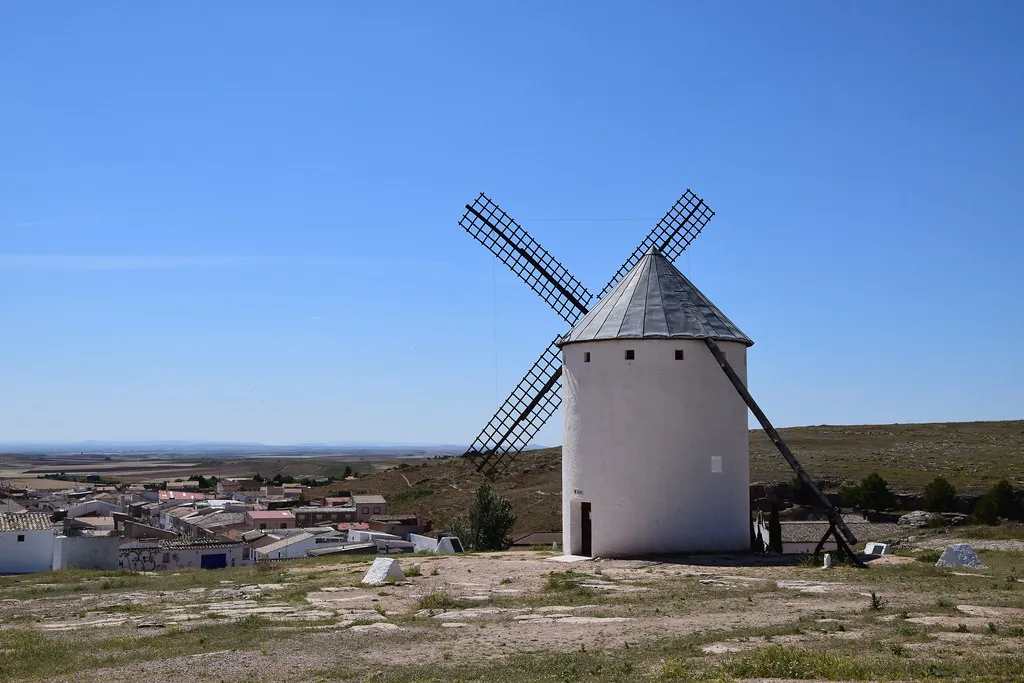
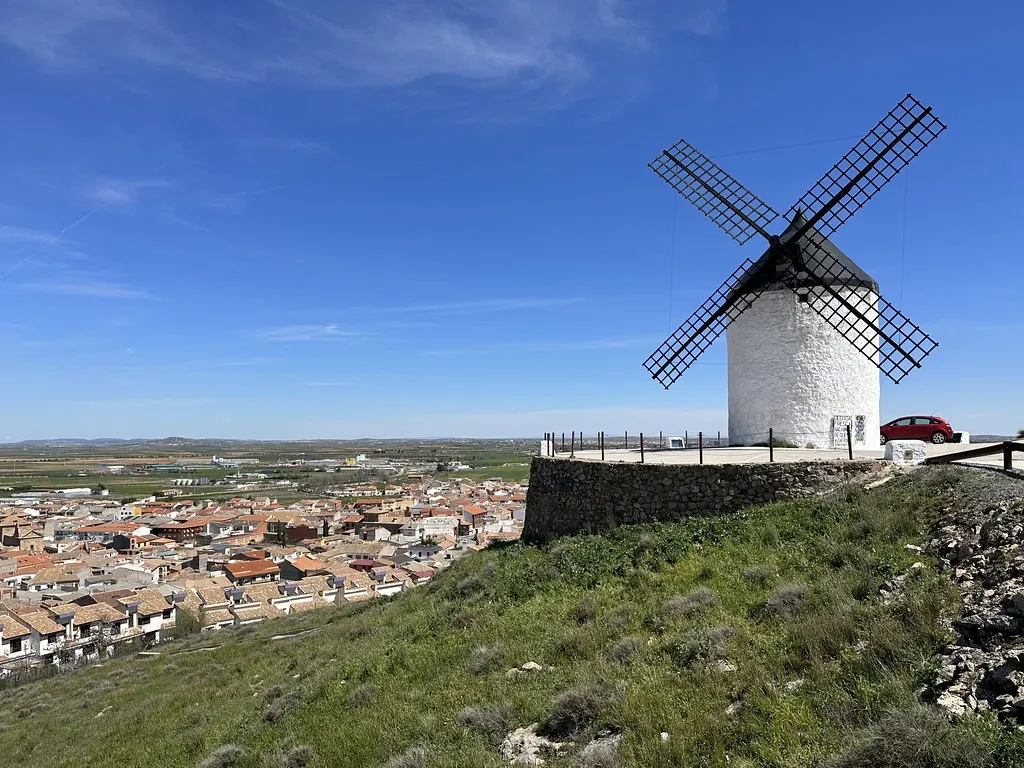
Arriba está la Ermita del Rosario: lleva siglos ahí, vigilando Horcajo desde lo alto: Desde este punto se abre el paisaje manchego clásico: campos de cereal, caminos rectos y un horizonte que parece no acabarse nunca.
La cuesta para subir es constante; no es dura pero se nota; el esfuerzo tiene recompensa: ves el pueblo a tus pies y el campo abierto más allá.
El Vítor: cuando todo huele a humo
Si hay un día en que Horcajo cambia por completo es el 7 de diciembre; esa noche celebran El Vítor; una fiesta muy conocida por aquí.
La escena es fácil de imaginar: los vecinos bajan desde la ermita con antorchas encendidas; cantan mientras caminan; hay humo de resina ardiendo y mucho movimiento por las calles; esto no es una procesión tranquila; se corre; se grita; se celebra; sus orígenes están en una vieja promesa hecha a la Inmaculada;
Quien lo ha vivido recuerda sobre todo el olor a pino quemado y las chispas volando por el aire; conviene llevar ropa que pueda mancharse un poco;
El resto del año; el pueblo vuelve a su tempo habitual: días tranquilos; vida centrada en la plaza y conversaciones largas en los bancos; El Vítor destaca precisamente por eso: porque contrasta con lo cotidiano;
La sierra sin pretensiones
La Sierra de Horcajo no es alta ni dramática; pero para los locales es simplemente "la sierra"; no necesita más descripción;
Pistas de tierra la conectan con otros pueblos cercanos; muchos ciclistas las usan para entrenar; las subidas son largas; casi siempre hace viento y hay tramos donde no aparece nadie durante un buen rato;
También vale para caminar aunque en verano el sol puede ser implacable y hay poca sombra;
No hay miradores preparados ni carteles señalando "la mejor foto"; si quieres parar buscas una roca o te plantas al borde del camino;
La sierra forma parte del día a día local; no es una atracción separada;
Un plan sencillo para una mañana larga
Horcajo no pide un itinerario complicado:
Lo habitual es llegar pasear por la plaza entrar un momento en la iglesia y subir hacia la ermita entre paseo y paseo puede haber un café un cruce breve con algún vecino o mirar escaparates sin prisa;
En tres o cuatro horas puedes hacerte una idea clara del lugar;
Si vienes desde Cuenca se hace corto desde Madrid ya es más viaje aunque sigue siendo factible para una escapada tranquila;
Este es ese tipo destino donde no pasa nada especialmente memorable pero tampoco hace falta que pase caminas un rato te sientas en la plaza escuchas hablar a los mayores revisas la hora han pasado varias horas sin darte cuenta visitas así suelen ser las que más satisfacen