Full Article
about La Alberca de Záncara
A Manchego village with deep farming and livestock roots; a stop on the Levante branch of the Camino de Santiago.
Hide article Read full article
La Alberca de Záncara en la llanura
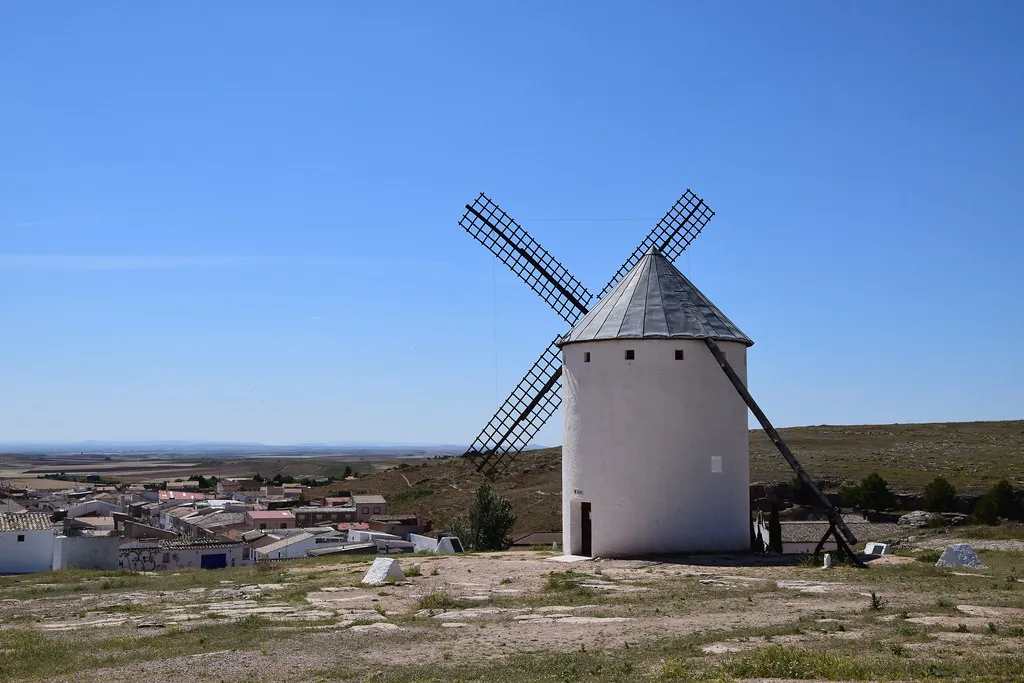
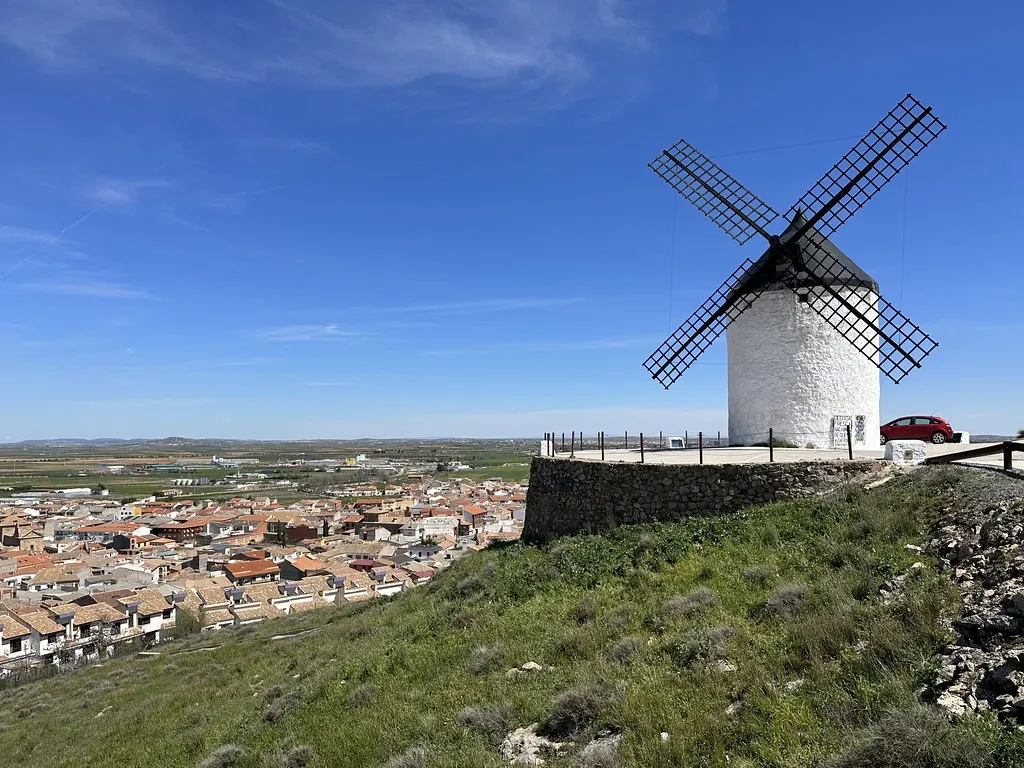
La Alberca de Záncara se sitúa en la llanura manchega, al suroeste de la provincia de Cuenca. El terreno, a unos 800 metros de altitud, apenas presenta desnivel. La vista la dominan los campos de cereal, un cultivo que ha determinado la vida aquí durante siglos.
El nombre explica una necesidad histórica de esta tierra seca. “Alberca” se refiere a un estanque o depósito para almacenar agua, una infraestructura común en La Mancha antes del regadío moderno. “De Záncara” alude al río que atraviesa esta parte de la comarca.
El pueblo tiene una traza práctica. Las calles son rectas, las casas suelen tener una o dos plantas, y muchas conservan corrales y patios interiores que formaban parte de la economía doméstica. En las fachadas se ven portones de madera maciza, rejas sencillas y chimeneas altas, una respuesta a los inviernos fríos de la meseta.
La iglesia y la estructura del pueblo
El perfil de La Alberca lo define la torre de la iglesia parroquial, visible desde buena parte de la llanura circundante. El edificio, como ocurre con muchas iglesias rurales de la zona, muestra reformas y ampliaciones de distintas épocas.
El casco se organiza en torno a este edificio. Las viviendas mantienen rasgos de la arquitectura popular manchega: patios que servían de espacio de trabajo, corrales y dependencias auxiliares vinculadas a la labor agrícola. Los detalles están en los materiales: portadas de piedra o ladrillo, rejería de forja, fachadas encaladas. No es una arquitectura monumental, pero sí la que da carácter al lugar.
Más allá se extiende el paisaje que justifica el pueblo. La llanura no tiene accidentes geográficos relevantes. En primavera, los cultivos tiñen de verde el terreno; en verano, el cereal se vuelve dorado al madurar. Es un territorio abierto donde el cielo ocupa gran parte del campo visual.
Por los caminos del cereal
Varias pistas agrícolas salen del pueblo hacia el campo. Son aptas para caminar o ir en bicicleta. Los recorridos son llanos y sencillos, cruzando parcelas de cultivo y algunos olivares. Aquí no se trata tanto de buscar un hito concreto como de observar el ritmo del paisaje agrario.
Para la fotografía, las horas más interesantes son el amanecer y el atardecer. La luz baja acentúa las texturas del terreno y alarga las sombras sobre los surcos. La apertura del campo hace que el cielo domine la composición.
Esta zona de cultivo es también hábitat de aves propias de los llanos cerealistas. Se las puede ver con más facilidad en los alrededores del pueblo y por las pistas menos transitadas. Es una fauna adaptada a un entorno modelado por la agricultura.
Comida de la tierra
La gastronomía aquí es la de La Mancha. Se mantienen platos como las gachas, una elaboración espesa de origen pastoril. También está presente el pisto, los guisos de cordero y los derivados de la matanza, que antiguamente proveía de conservas para el invierno.
Los productos de la tierra son parte fundamental: queso manchego, aceite y vinos de la comarca. Son alimentos que no se entienden sin el cultivo del olivo, la vid y el pastoreo.
El ritmo anual
El calendario festivo sigue pautas comunes en la comarca. Las fiestas patronales mezclan actos religiosos con actividades organizadas por los vecinos, donde la comunidad tiene un papel central.
En agosto, el pueblo cambia su ritmo. Regresan muchas personas que viven fuera el resto del año. La plaza y las calles principales ganan animación, y se hace más visible la dimensión comunal.
La Alberca de Záncara mantiene un vínculo estrecho con su entorno agrícola. Su identidad no está tanto en monumentos aislados como en la continuidad de sus calles, sus campos y sus costumbres. En esta llanura manchega donde el horizonte rara vez se interrumpe, la vida sigue marcada por la tierra, la luz y el ciclo de las cosechas.