Full Article
about Madridejos
A key Manchego town known for saffron and its underground silo-homes.
Ocultar artículo Leer artículo completo
The smell of saffron hits before you've even parked. It's Tuesday morning in Madridejos, and the weekly market has transformed Plaza de España into a riot of colour and noise. Vendors shout prices in rapid Spanish while elderly women haggle over threads of deep crimson that cost more per gram than silver. This isn't tourist theatre – it's simply how locals buy their ingredients for Sunday paella.
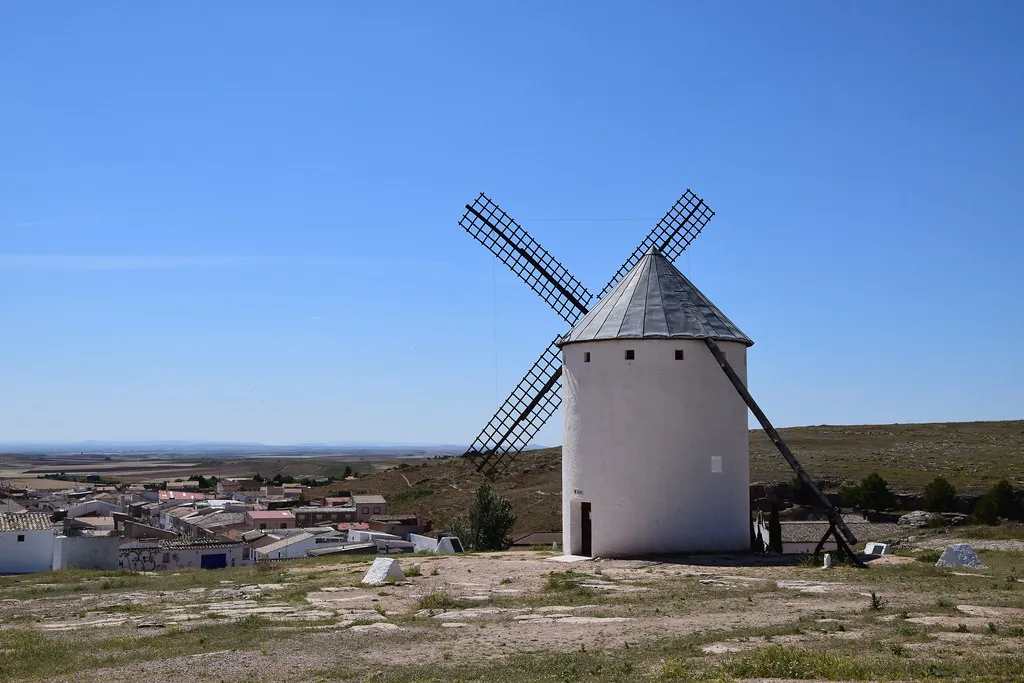
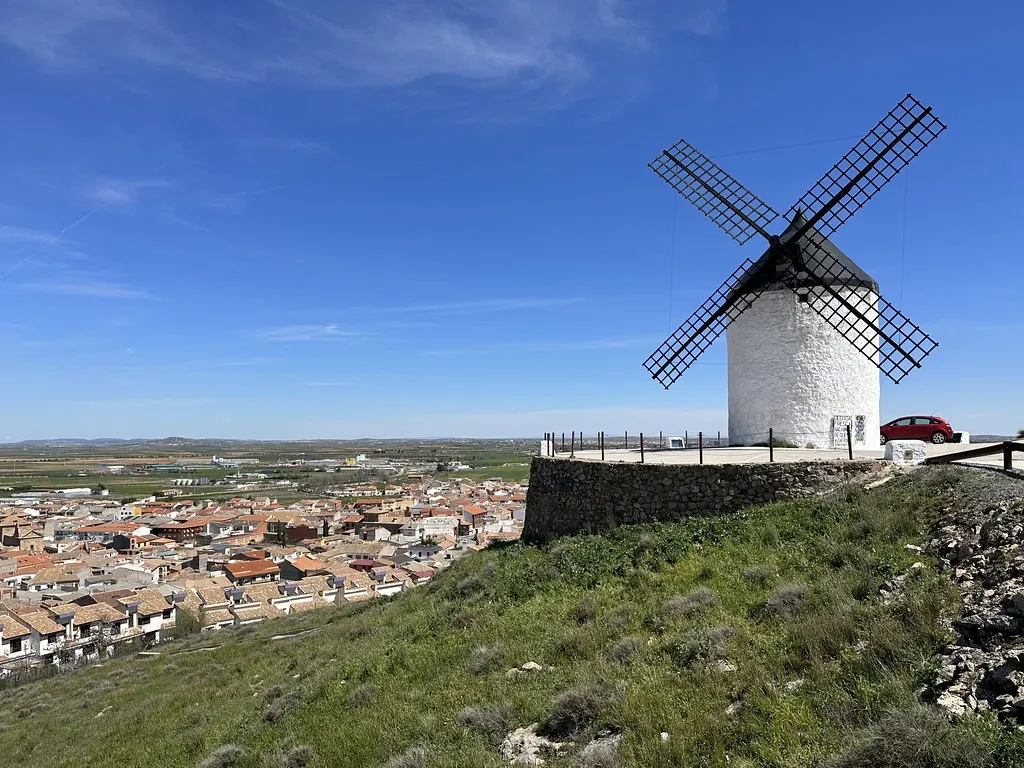
At 697 metres above sea level, Madridejos sits high enough to catch the wind that once powered its famous neighbours. The town's three restored windmills stand sentinel on the southern approach, their white towers and wooden sails marking time in the same unhurried rhythm they've kept for four centuries. Unlike the Instagram-famous mills of Consuegra fifteen minutes up the road, these ones still feel like working machines rather than museum pieces.
The Real La Mancha
Forget the Don Quixote theme park version of Castilla-La Mancha. Madridejos trades in authentic everyday Spain, where the bakery opens at 6:30 am sharp and the day's first customers arrive clutching cloth bags for their baguettes. The pace matches the landscape – vast, deliberate, unbothered by passing trends. You'll see more tractors than taxis, and the most exotic car in town is probably the regional cheese delivery van.
The town's 11,000 inhabitants have perfected the art of living between tradition and necessity. In the pottery quarter, fourth-generation potters still throw clay using techniques their great-grandparents learned, but they'll WhatsApp you photos of custom orders without missing a beat. The saffron museum occupies a 16th-century house where digital displays explain why those tiny crimson threads have bankrupted empires and launched a thousand ships.
Morning coffee culture here runs on Madrid time – meaning you'll struggle to find anything open before 8 am, but once Café Central raises its shutters, the town's social engine starts turning. Elderly men occupy the corner tables with their newspapers and cortados, while market traders grab quick breakfasts of toasted bread rubbed with tomato and drizzled with local olive oil. It's worth timing your visit around 11 am when the first batch of churros emerges from the fryer at La Española bar, crispy and hot enough to burn careless fingers.
Beyond the Postcard
The Church of Divino Salvador dominates the skyline like a stone aircraft carrier, its bulk testament to centuries of architectural additions. Inside, the baroque altarpieces gleam with gold leaf that survived Napoleon's troops, Spanish Civil War shelling, and several questionable restoration attempts in the 1980s. The real treasure hides in the sacristy – a 17th-century silver monstrance that local guides will show with the reverence usually reserved for football trophies.
Windmill enthusiasts should manage expectations: only one of the three mills accepts visitors regularly, and opening hours depend on whether Señor García's grandson is available to give tours. When it is open, the climb up the narrow stone staircase rewards with views across La Mancha's endless plain. On clear days you can see the snow-capped Sierra Morena eighty kilometres south, looking improbably close in the thin air.
The pottery museum tells a more honest story than most. Displays explain how the industry nearly collapsed when plastic containers arrived in the 1960s, and how artisan workshops survived by pivoting from functional storage jars to decorative pieces for tourist markets. The attached shop sells genuine local work alongside imports from Portugal – ask specifically for pieces made by Taller San José if you want the real article.
Eating Like You Mean It
Food here follows the agricultural calendar with religious devotion. Autumn brings game season, when restaurant chalkboards advertise wild rabbit in saffron sauce and partridge stewed with bay leaves from local trees. Winter means hearty garlic soup thick enough to stand a spoon in, fortified with paprika and yesterday's bread. Spring delivers tender young lamb, roasted slowly until the meat falls from the bone into pools of herb-scented gravy.
The saffron appears everywhere, but subtly – a few threads infusing rice dishes with golden colour, lending earthy perfume to slow-cooked beef, turning simple custard into something worth writing home about. At Casa Juanito, the owner will demonstrate proper saffron preparation: toast the threads briefly in a dry pan, grind them with a pinch of salt, then steep in warm water for fifteen minutes before adding to whatever you're cooking.
Local wine comes from Valdepeñas, forty minutes south, where family bodegas produce robust reds that pair perfectly with Manchego cheese aged in local caves. The rosado provides summer relief – chilled, fruity, uncomplicated. Order it by the glass and nobody will judge you for adding ice when temperatures hit forty degrees.
The Practical Truth
Madridejos works best as a base rather than a destination. Stay two nights, three at most, using it to break the long drive between Madrid and Andalucía. The town has two hotels – the modern Sercant located conveniently on the bypass, and the historic Santa Ana in the centre, currently undergoing renovations that guests report are "noisy but necessary." Book the Sercant for reliable WiFi and parking, choose Santa Ana for character and central location once works finish.
Public transport barely exists. The bus from Madrid takes two and a half hours via Toledo, arriving at an inconveniently early hour. Driving remains essential – the A4 motorway junction sits five minutes from town, but hire cars should be collected in Madrid or Toledo before you arrive. Once here, everything lies within walking distance, though summer heat makes midday exploration genuinely unpleasant.
Tuesday's market transforms the town but brings traffic chaos. Park on the eastern bypass before 9 am or spend thirty minutes navigating one-way systems designed by someone who clearly hated motorists. The market itself offers everything from cheap Chinese clothing to local honey – the saffron stall halfway down Calle San Pedro sells genuine La Mancha product at half Madrid prices, but bring cash and your best Spanish for negotiations.
Summer visitors should prepare for extreme heat. July and August temperatures regularly exceed forty degrees, and the town's altitude intensifies UV exposure. Sightseeing happens early or late – everything closes between 2 pm and 5 pm anyway. Winter brings sharp frosts and occasional snow, but also crystal-clear air that makes those windmill views genuinely spectacular.
The tourist office keeps erratic hours – WhatsApp them the day before on +34 926 190 002 to confirm someone will actually be there. They'll provide walking route maps and current mill opening times, plus recommendations for which restaurants are actually open (many close randomly, especially outside peak season).
Come for the saffron, stay for the authenticity, leave before the limited attractions start feeling repetitive. Madridejos offers a genuine slice of provincial Spain unfiltered by tourist expectations – refreshing, occasionally frustrating, but never boring.