Full Article
about Montalbanejo
Town with a notable Renaissance church; on the road to the sierra
Hide article Read full article
A village with little fuss
Montalbanejo is a very small village in La Mancha, in the province of Cuenca. Arrival is simple: park along one of the wide streets at the entrance and continue on foot. Traffic is scarce and there is barely any movement. There are no dedicated tourist services and shops do not stay open throughout the day, so it makes sense to bring water or something to eat if you plan to spend a few hours here.
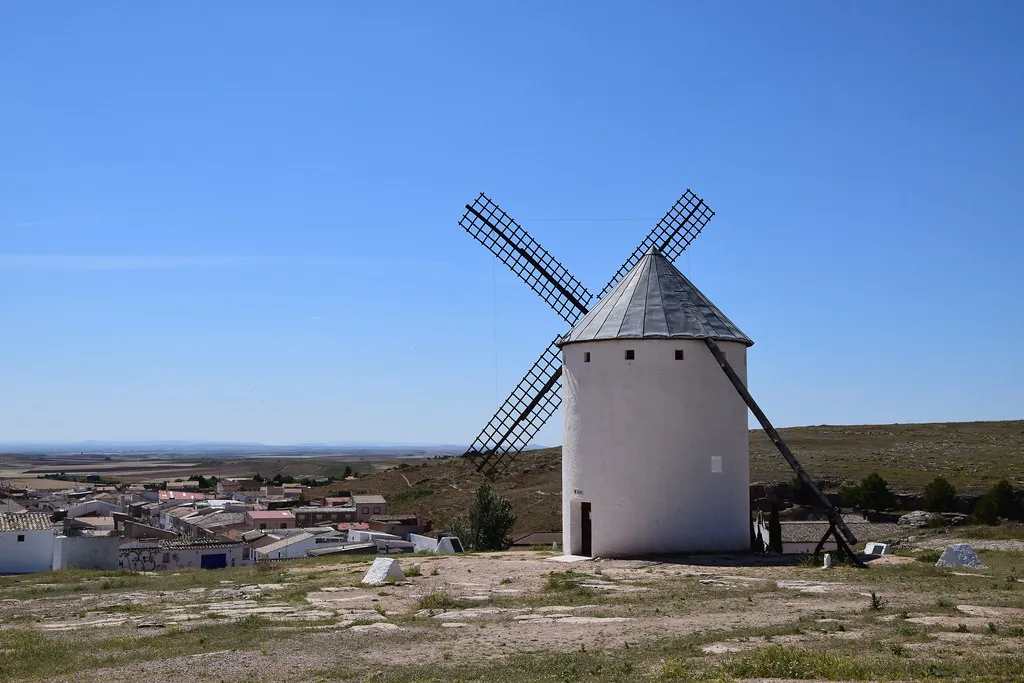
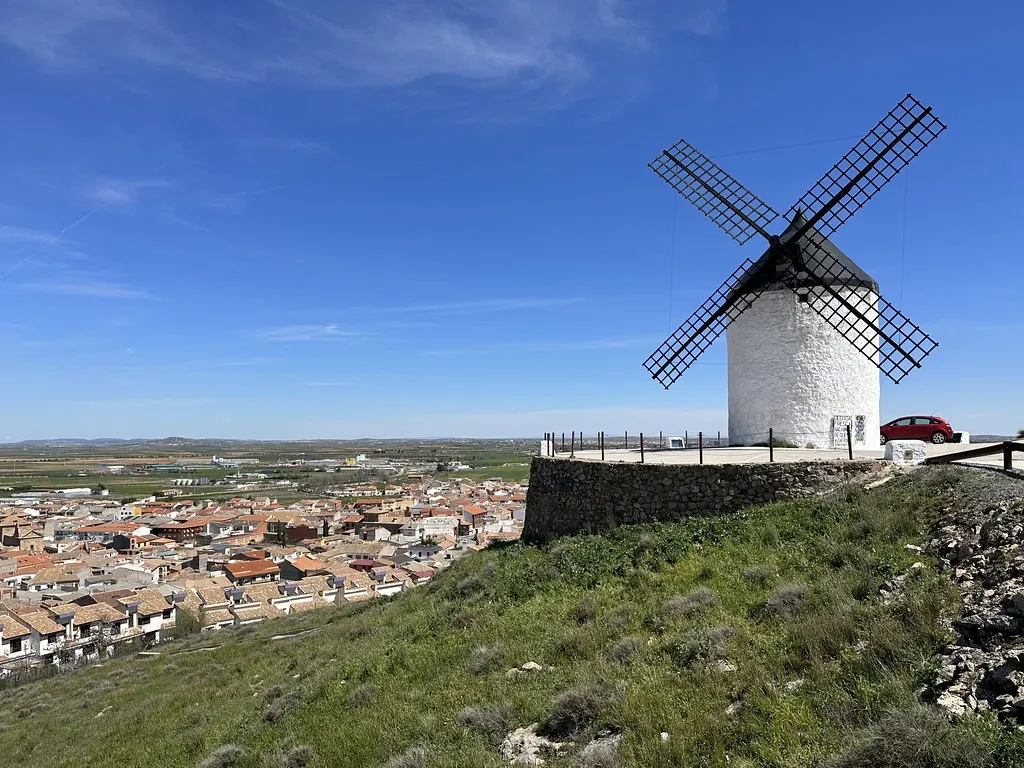
Fewer than a hundred people live in the village and it sits at around 900 metres above sea level. There are no major monuments and nothing has been set up with visitors in mind. What you find instead is open countryside and a strong sense of quiet. The landscape shifts with the seasons. Summer brings dry tones, spring turns greener if the rains arrive, and autumn moves everything towards gold.
The centre and its streets
The parish church forms the centre of Montalbanejo. It is modest in size and appearance, in keeping with the place. There are no striking artistic features, yet it shapes the rhythm of the village: the square, the few streets that branch out from it, and the houses gathered around.
The streets are short and easy to walk. Many homes keep a traditional Manchego layout, with white façades, ageing wooden doors and small inner courtyards. This is not a monumental ensemble. It is simply a village that has changed very little over time.
A short walk towards the edge of the built-up area reveals what defines Montalbanejo. Cereal fields stretch out, dotted with scattered holm oaks and gentle rises. The land is open and views carry a long way. Light falls cleanly across the fields at sunrise and again towards the end of the day.
Walking into the fields
The most natural thing to do here is to follow the agricultural tracks that leave the village. They are not marked as official routes, yet they are used for farm work and can be walked without difficulty as long as you respect the land.
The terrain is easy, without steep climbs. Summer requires some care, as there is very little shade and the heat builds from late morning. Earlier starts make more sense in that season.
The sky draws attention as much as the ground. Birds of prey are a regular sight, especially on days with thermal winds, when they can be seen gliding high above. This is not a well-known birdwatching destination, though the open landscape makes sightings more likely.
Traditions and village life
Festivities usually take place in August, when people with family ties to Montalbanejo return from elsewhere. The atmosphere stays simple, with religious events and gatherings in the square.
Holy Week follows the pattern seen in small villages across the area, with services in the church and involvement from local residents. There is nothing elaborate about it, but it remains part of the yearly rhythm.
Christmas also brings people back from other cities. The village becomes a little busier during those days, though it never loses its calm character.
Getting there and what to expect
Reaching Montalbanejo involves secondary roads from within the province of Cuenca. The final stretch runs through open countryside with very little traffic.
Inside the village there are no services designed for visitors. You might come across a bar open at some point, but it is not something to rely on. It is better to arrive prepared.
Parking requires a bit of care. Avoid blocking entrances to houses or farm buildings and keep to the wider streets. This is a place where everyone knows each other and daily life follows a different pace.
When the landscape feels at its best
Spring and autumn tend to be the most comfortable seasons for walking in the surrounding area. Summer brings very dry conditions and the heat becomes strong from mid-morning. An early start helps if you visit at that time of year. The village itself can be seen in about an hour. After that, the choice is simple: stay out among the fields or continue on to other places in the region.