Full Article
about Olivares de Júcar
Town near the Alarcón reservoir; farming tradition and riverside setting
Hide article Read full article
Olivares de Júcar, o cuando el paisaje es el protagonista
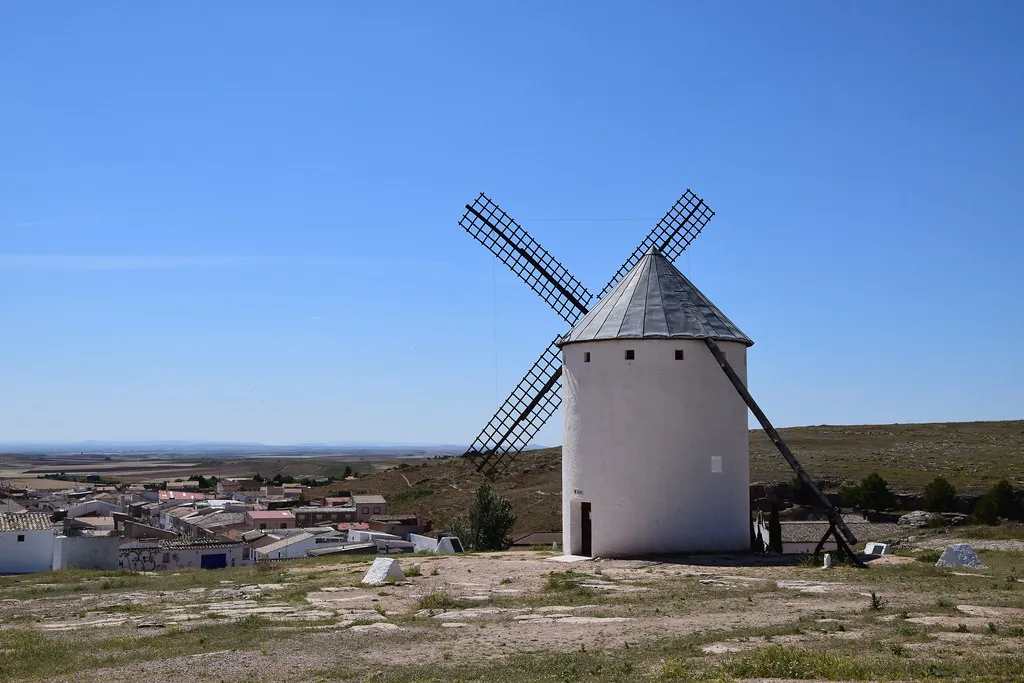
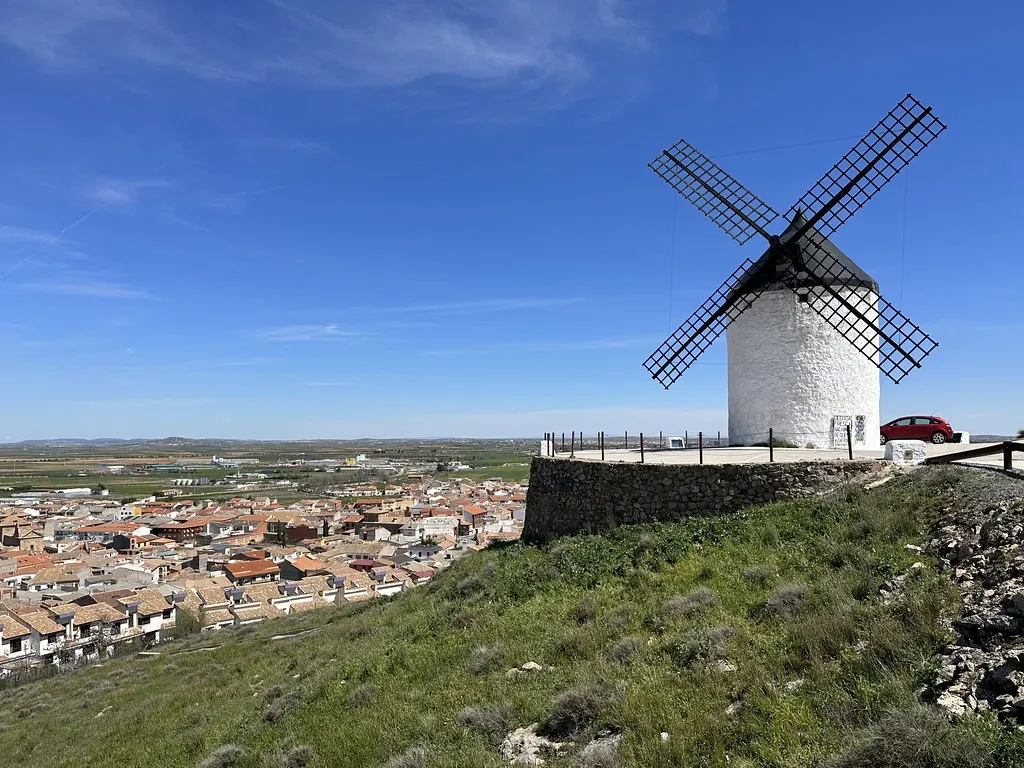
Hay sitios que funcionan como un botón de silencio. No es que se apague nada, solo que baja el volumen del mundo. Olivares de Júcar es uno de esos lugares. Un municipio manchego de unos 290 habitantes en la provincia de Cuenca, donde las calles parecen desembocar directamente en un mar de olivos y campos de cereal. El horizonte es plano, pero nunca monótono; cambia con la luz y con las estaciones como un cuadro al que le dan distinta iluminación.
No vengas buscando una lista de monumentos. Aquí lo que hay es espacio. Y un ritmo que te invita a sentarte en la plaza –la de la Constitución– y a dejar pasar el tiempo observando los detalles cotidianos: un tractor que vuelve del campo, alguien barriendo la puerta de su casa, las conversaciones bajas a la sombra.
Un pueblo hecho a la medida del campo
El núcleo es pequeño y se recorre en diez minutos. Las casas son de piedra o adobe, muchas encaladas, con corrales que aún se usan. No son decorados; son viviendas con historia, del tipo en el que cada generación ha ido añadiendo su propia habitación o reformando la cocina.
La iglesia de San Pedro Apóstol marca el centro visual. No es una catedral, pero su torre sobresale por encima de los tejados y sirve de referencia desde cualquier punto. Es esa clase de edificio que cumple una función social clara: alrededor está la plaza, el lugar donde todo pasa.
Cualquier calle que tomes hacia las afueras te lleva directamente al campo. Los olivares viejos son lo mejor: troncos retorcidos como manos nudosas, con ese plateado característico que brilla con el sol lateral del atardecer.
Los barrancos cercanos –más evidentes tras las lluvias– rompen un poco la llanura. No esperes desfiladeros, pero sí un cambio de terreno agradecido si llevas un rato caminando.
La cuestión del río (y por qué no es un paseo)
En los mapas parece cerca, pero llegar al cauce del Júcar desde el pueblo no es cosa de un paseo corto. Necesitas coche o tener claro que vas a hacer una caminata larga por caminos agrícolas. A algunos les gustará esa sensación de inmensidad; otros sentirán esa típica decepción manchega cuando ves algo al fondo y tarda el doble en llegar.
Si decides ir, el paisaje cambia: aparece más vegetación de ribera y el aire se nota algo más húmedo. Pero insisto: no es la típica estampa fluvial con merenderos y sombra.
Andar sin rumbo (o con él)
Aquí no hay una red señalizada de senderos. Los caminos son lo que siempre han sido: pistas agrícolas para tractores, coches y bicicletas.
Caminar por ellos tiene su aquel. En otoño, los campos se ponen dorados, como si alguien hubiera extendido un mantel tostado sobre la tierra. En primavera, el verde repentino tras las lluvias crea un contraste brutal con la tierra oscura.
Es terreno ideal para bicicleta de gravel o para patear sin más plan que seguir una línea en el mapa. Las distancias se sienten largas y abiertas; eso gusta o cansa, depende del día que lleves.
Para comer, piensa en la cocina manchega clásica: queso curado bien afilado, aceite local denso, gachas hechas a fuego lento y guisos contundentes. Son platos pensados para reponer fuerzas después de una jornada en el campo.
El pulso anual del pueblo
Como en tantos pueblos pequeños, Olivares revive notablemente en verano con la vuelta de los que trabajan fuera. Se nota en las calles y sobre todo en las fiestas patronales –en honor a San Pedro–, donde lo importante no es tanto el programa oficial como los corrillos para ponerse al día.
En los meses fríos aún se mantiene en algunas casas la tradición familiar de la matanza del cerdo. Es un ritual largo y comunitario que termina alrededor de una mesa llena; sabes cuando empieza pero nunca a qué hora acaba.
Con el buen tiempo también llegan alguna romería al campo cercano: comida compartida al aire libre y esa relación directa entre vecinos y territorio.
Cómo llegar (y qué cabe esperar)
Queda a unos 60 kilómetros de Cuenca capital por carreteras comarcales tranquilas –pero estrechas– donde conviene ir sin prisa y atento si no las conoces.
La mejor época suele ser primavera u otoño: temperaturas más llevaderas y esos cambios cromáticos en el paisaje que le dan todo el sentido al lugar.
Olivares no se visita por sus monumentos ni por su agenda cultural intensa. Se viene por lo contrario: por andar sin rumbo fijo entre olivos viejos, por sentarse en una plaza vacía y escuchar ese silencio activo que solo existe donde el campo empieza al final de cada calle