Full Article
about Osa de la Vega
Town linked to the history of the Roman Lapis Specularis mines; agricultural setting
Ocultar artículo Leer artículo completo
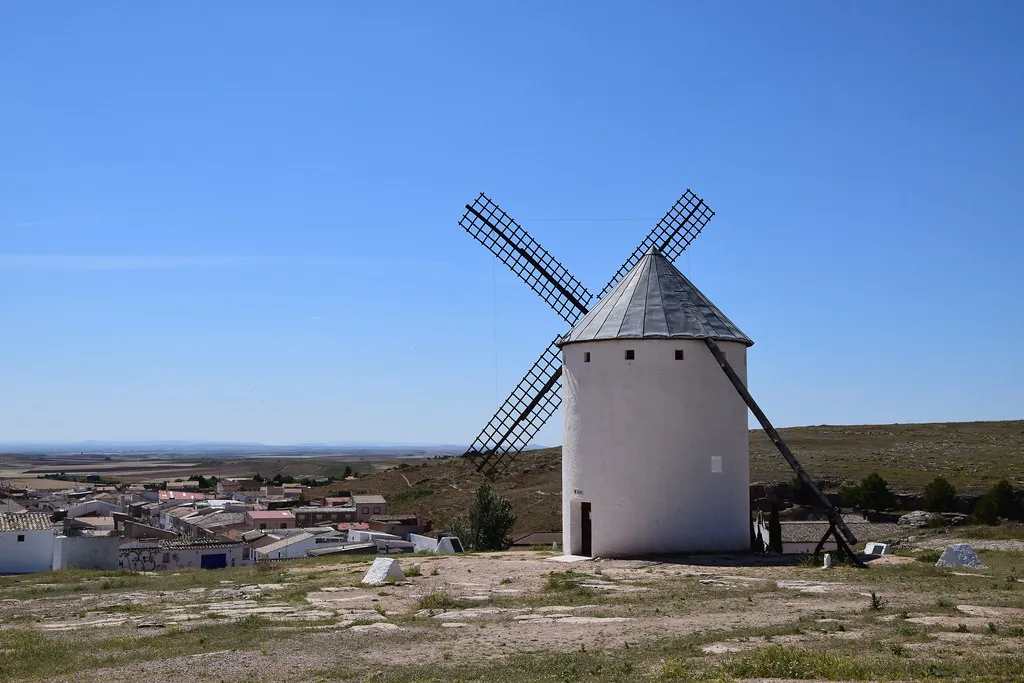
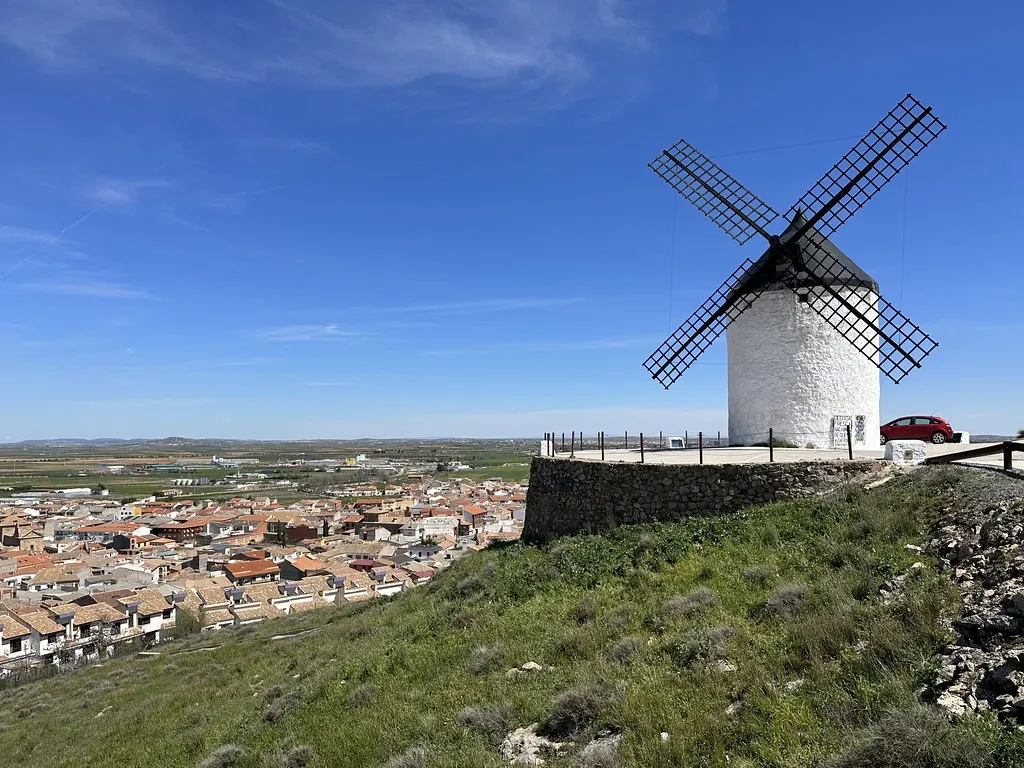
The cereal fields stretch so wide around Osa de la Vega that the horizon seems curved. At 760 metres above sea level, this Castilian village sits high enough for the air to carry a sharp edge, even when the La Mancha plains below shimmer with heat. The altitude matters here—it shapes everything from the wheat cycle to the way neighbours time their evening stroll.
A Village That Measures Time by Harvests
Osa de la Vega's 447 residents don't need calendars. The colour of the surrounding mosaic tells them where they are in the year: emerald shoots in April, bronze stubble by July, ochre stubble after the combine harvesters have passed. The village itself is compact—an hour's gentle walk will trace every lane—but the agricultural canvas around it is vast, broken only by the Vega del Záncara, a green irrigation corridor that gives the settlement its surname.
The built fabric is modest: whitewashed houses with timber gates and wrought-iron grilles, all arranged around the parish church that doubles as social noticeboard and evening meeting point. There are no souvenir stalls, no interpretive centres, not even a dedicated tourist office. Instead, the bakery opens at seven, the bar fills with farm workers for a mid-morning brandy, and the plaza comes alive at dusk when temperatures finally drop below thirty.
Walking the Sky-Level Steppe
What the village lacks in monuments it returns in walking territory. A lattice of agricultural tracks radiates across the steppe, flat enough for sturdy trainers yet high enough to feel the wind uninterrupted. Griffon vultures ride the thermals above; stone curlews call from the fallow strips. The most satisfying circuit heads south-east towards the Záncara valley, where irrigated tomatoes and peppers create a startling green slash through the blond matrix. Allow two hours, carry more water than you think necessary, and start early—by eleven the sun has real weight, even in May.
Mountain-bike tyres find the same tracks ideal. There are no technical climbs, but the altitude means thin air; British sea-level lungs notice the difference after half an hour. Local farmers are tolerant provided gates are closed and crops respected; the unwritten rule is to stick to the raised wheel-ruts and never shortcut a bend.
Food Meant for Field Hands
Cuisine here was designed to replace calories lost behind a plough or on a threshing floor. The benchmark dish is morteruelo, a pâté-like spread of game and liver so thick it can be sliced. Order it at Bar Casa Ramón (no menu, just ask) and it arrives with warm baguette and a warning: "Para tres, no para uno." Main plates follow the same generous logic—gachas manchegas, a saffron-spiked porridge enriched with pancetta, or winter game stew heavy on bay leaf and clove. Vegetarians are limited to pisto (the Spanish cousin of ratatouille) and the excellent local Manchego cheese, aged in nearby caves for a nuttier edge than supermarket versions.
Wine comes from the La Mancha D.O., mostly Airén and Tempranillo grown within sight of the village. A half-litre jug costs around €3 and is perfectly drinkable; bottles from co-operatives in Villarrubio, fifteen kilometres north, climb to €7 and repay the extra. British visitors often expect Rioja prices; here, under a tenner buys something decent enough to haul home in the boot.
When the Village Reclaims Its Own
Osa de la Vega's population trebles each August when emigrants return for the fiestas patronales. The programme is reassuringly small-town: a foam party for teenagers, a cuadrilla of middle-aged men singing 1980s ballads in the plaza, and a procession where the Virgin is carried at shoulder height through streets strewn with rosemary. Accommodation within the village is non-existent—visiors bed down with cousins or rent flats in neighbouring Tarancón—so unless you have a local surname, plan day trips instead.
Semana Santa is quieter but equally telling. The Good Friday procession starts at the church door, descends the main street, then stops while the brass band retunes in the cold night air. At 760 metres, April evenings can dip to 6 °C; British visitors in T-shirts shuffle enviously as locals produce padded jackets from seemingly nowhere.
Getting There, Staying Sensible
The village sits 80 km west of Cuenca along the N-420, a quick hour if Madrid-bound lorries are thin on the ground. From Tarancón, the regional junction, it's 25 minutes on the CM-310; the final approach is a single-carriageway thread that can ice over between December and February—carry chains if you're visiting for New Year walks. Public transport is theoretical: one school bus passes at dawn, another returns at dusk. Without a hire car you are effectively stranded.
Nearest beds are in Tarancón's Hotel Felipe IV (doubles from €55, functional but clean) or a string of rural casas rurales scattered through the cereal belt—expect stone walls, wood-burners and patchy Wi-Fi. Summer rates jump 40%; spring and late September deliver the same light without the mark-up. Whatever the season, pack layers: altitude turns a balmy afternoon into a fleece-worthy evening once the sun slips behind the western plain.
A Closing Note of Candour
Osa de la Vega will not change your life. It offers no epiphany, no Instagram reveal, no tale to trump fellow dinner guests. What it does give is a measured slice of rural Castile at sky level—fields that dwarf cathedrals, food calibrated to hard work, and a pace dictated by combine harvesters rather than smart-phones. Come for that, preferably in April when the wheat is young and the air still carries winter clarity, and the village will greet you with the same unshowy nod it gives its own returning sons.