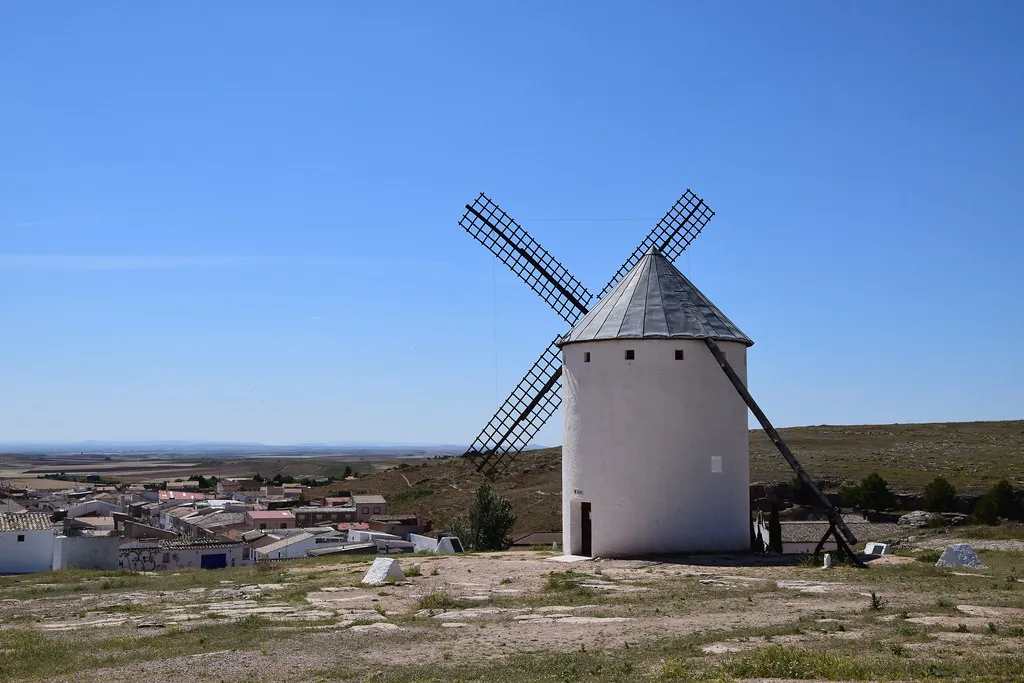
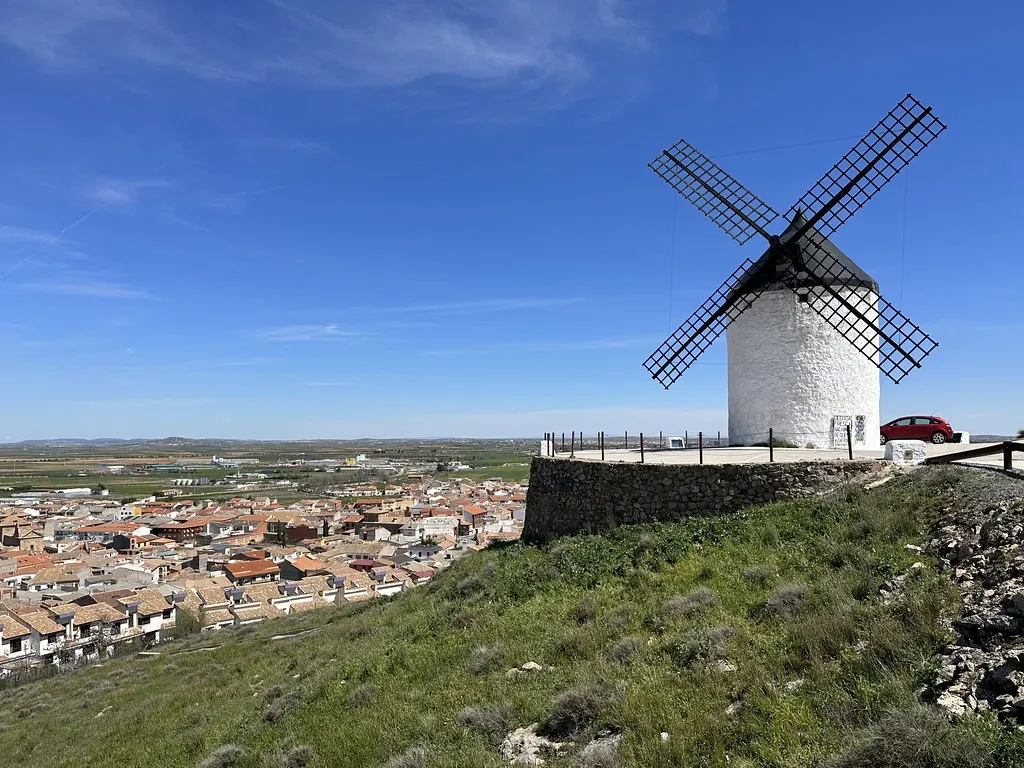
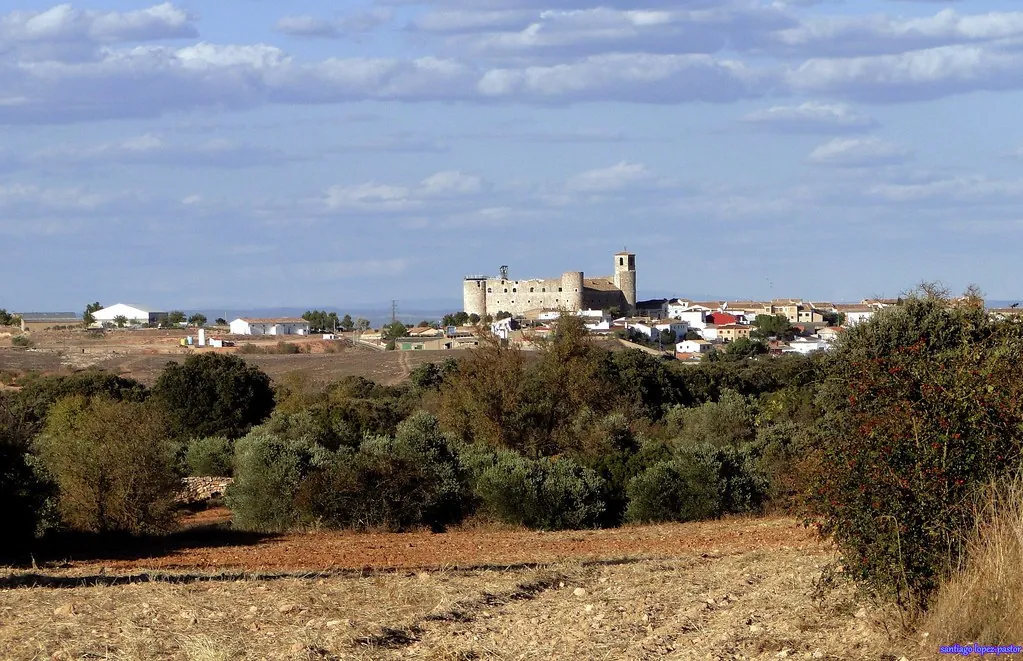
Vista aérea de Pinarejo
Instituto Geográfico Nacional · CC-BY 4.0 scne.es
Castilla-La Mancha · Land of Don Quixote

Pinarejo

At 880 metres, Pinarejo floats above the meseta's furnace. While tourists bake in Toledo, this stone village catches breezes that carry the scent o...

172 inhabitants · INE 2025
880m Altitude

Why Visit

Mountain Church of Santa Águeda Mountain-bike trails

Best Time to Visit

summer

Santa Águeda Festival (February) agosto

Things to See & Do
in Pinarejo

Heritage

  • Church of Santa Águeda

Activities

  • Mountain-bike trails
  • Hunting

Festivals
& & Traditions

Fecha agosto

Fiestas de Santa Águeda (febrero)

Las fiestas locales son el momento perfecto para vivir la autenticidad de Pinarejo.

Full Article
about Pinarejo

Agricultural municipality with a mill tradition, set in high country.

Ocultar artículo Leer artículo completo

The Village That Sits Above Spain's Heat

At 880 metres, Pinarejo floats above the meseta's furnace. While tourists bake in Toledo, this stone village catches breezes that carry the scent of pine from forests that gave the settlement its name. The altitude matters here—it means winter nights that bite, summer mornings that stay cool until eleven, and air so clear that Cuenca's mountains appear sharp as cut glass on the horizon.

The approach road winds through wheat fields that shimmer gold from June onwards, past vineyards where tempranillo grapes ripen three weeks later than their valley cousins. Stone walls divide properties in the old way, built without mortar by farmers who understood that these fields yield better to respect than to force. You'll know you've arrived when the asphalt narrows and houses press close to the road, their whitewashed walls reflecting light like mirrors.

What Passes for Attractions Here

San Bartolomé church squats at the village centre, its bell tower visible from every approach. Built from the same honey-coloured stone as the houses, it represents four centuries of pragmatic rebuilding—nothing fancy, just what worked. The wooden doors stand open most mornings, revealing interior walls painted a chalky pink that catches the light streaming through plain glass windows. Sunday mass still draws thirty-odd villagers, more during harvest when even lapsed Catholics feel the pull of tradition.

Wandering the streets reveals architecture that guidebooks dismiss as 'vernacular' but architects study for its intelligence. Houses grow from the rock, their ground floors once housing animals, their upper levels reached by exterior stairs that double as sun traps. Many retain the original wooden beams—oak chestnut from nearby forests, hand-hewn and blackened by centuries of woodsmoke. Peer through open doorways to spot the cave entrances, dug horizontally into hillsides, where families stored wine at thirteen degrees year-round. Some still function as natural refrigerators; others house tools, memories, the occasional grandfather tending tomatoes in pots.

The village fountain flows from a spring that never failed during Spain's worst droughts. Local women once washed clothes here, beating them against the stone slabs that still show wear patterns. Now it's where teenagers fill plastic bottles during football matches, where old men rinse lettuce from their gardens, where the village's rhythm continues regardless of who's watching.

Walking Into Proper Silence

Leave by the eastern track, past the last house where an elderly man keeps pigeons in whitewashed cages. Within ten minutes, human noise drops away. The path follows a dry stone wall built during the Civil War by men who needed wages more than politics. It leads through olive groves planted when Pinarejo housed five times its current population, past abandoned threshing circles where wheat once met flails in late July heat.

The landscape opens into something that resembles prairie more than European farmland. Great bustards feed in the stubble, their heavy bodies visible from half a mile. Red kites circle overhead, riding thermals with the patience of creatures that measure time differently. Walk for an hour and you'll reach the pine forests—proper woods where resin scents the air and where, in October, villagers hunt boletus mushrooms that fetch €40 per kilo in Cuenca's Saturday market.

Spring brings colour that seems impossible after winter's austerity. Wild tulips push through stony ground, purple and yellow against ochre soil. The wheat emerges first as green velvet, then grows waist-high, rippling like water in breeze. By late May, poppies create red rivers between the grain, their petals thin as tissue paper yet tough enough to survive hailstorms that can destroy a year's work in twenty minutes.

Eating What the Land Yields

The village bar opens at seven for coffee and closes after the lunchtime rush. It serves morteruelo, a pâté of liver, pork and spices that originated as way to preserve meat before refrigeration. Spread thick on country bread, it tastes of winter kitchens and grandmothers who knew hunger. The house wine comes from Villanueva de la Jara, twenty kilometres east, where clay soils produce garnacha that punches well above its €2.50 per litre price.

Local cheese arrives from a farm outside Huerta del Marquesado, made from manchega sheep that graze these same fields. It's properly cured—three months minimum, six if you're lucky—developing a nuttiness that supermarket versions never achieve. Buy it wrapped in paper that once held pharmacy prescriptions, weighed on scales that predate decimalisation.

If you're staying, arrange to eat with a family. The going rate is €15 including wine, though most refuse payment. You'll get gachas manchegas, a porridge of flour, water, garlic and paprika that sustained workers during harvest. It tastes better than it sounds, especially when topped with chorizo from pigs that rooted for acorns in the dehesa. Pudding might be nothing more than cheese with honey, but the honey comes from hives positioned among rosemary and thyme, giving it flavours that London delis charge fortunes for.

When to Come, How to Manage

April and May deliver the best combination—mild days, wildflowers, villages not yet empty of people summering on the coast. October works too, with mushroom season and grape harvest creating activity that contrasts with September's sleepy emptiness. Avoid August when temperatures hit 38 degrees and half the houses stand shuttered, their owners working coast jobs that pay proper money.

Getting here requires accepting Spain's slower rhythms. The bus from Cuenca leaves at 7:15 and 15:30, takes ninety minutes, and costs €6.40. It drops you at the village edge, from where everything is walkable within ten minutes. Driving makes more sense—hire a car in Madrid, take the A3 to Tarancón, then follow the CM412 through landscapes that Cervantes rode through four centuries ago. The final twenty kilometres wind through proper emptiness; fill your tank in Cañete because Pinarejo's petrol pump closed in 2008.

Accommodation means one of three village houses converted for visitors. Casa Rural El Pinar charges €60 nightly for two people, minimum two nights. It includes a kitchen, though you'll shop in Cañete because Pinarejo's shop opens sporadically. The owners, who live in Valencia and return monthly, leave keys with neighbours who'll show you round while sharing local knowledge that no guidebook contains.

Winter brings snow maybe twice, closing the access road until tractors clear paths. Summer afternoons reach 35 degrees, but evenings cool to 18—bring a jumper regardless of daytime heat. The village sits in Spain's rain shadow, receiving barely 400mm annually, but when it rains, water sheets off granite and the streets become rivers for twenty minutes before draining away.

Come understanding that Pinarejo offers no entertainment beyond what you create. The reward is watching a Spanish village function without tourism's distorting mirror, where conversations happen in doorways, where the church bell still marks time, where dinner starts when the day's heat finally breaks. It's not pretty in the postcard sense—it's better than that. It's real.

Key Facts

Region
Castilla-La Mancha
District
La Mancha
INE Code
16159
Coast
No
Mountain
Yes
Season
summer

Livability & Services

Key data for living or remote work

2024
Connectivity5G available
Housing~5€/m² rent · Affordable
CoastBeach 17 km away
Sources: INE, CNMC, Ministry of Health, AEMET

Planning Your Visit?

Discover more villages in the La Mancha.

View full region →

More villages in La Mancha

Traveler Reviews