Full Article
about Socuéllamos
Key wine hub with the Torre del Vino Museum; thriving town of stately architecture and vast vineyards.
Ocultar artículo Leer artículo completo
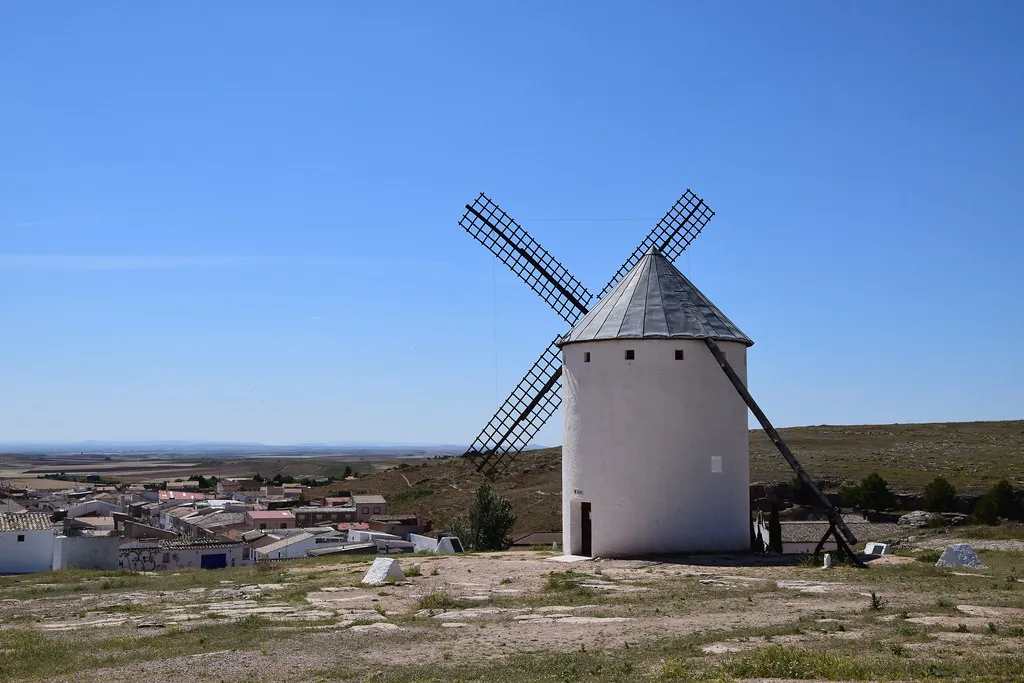
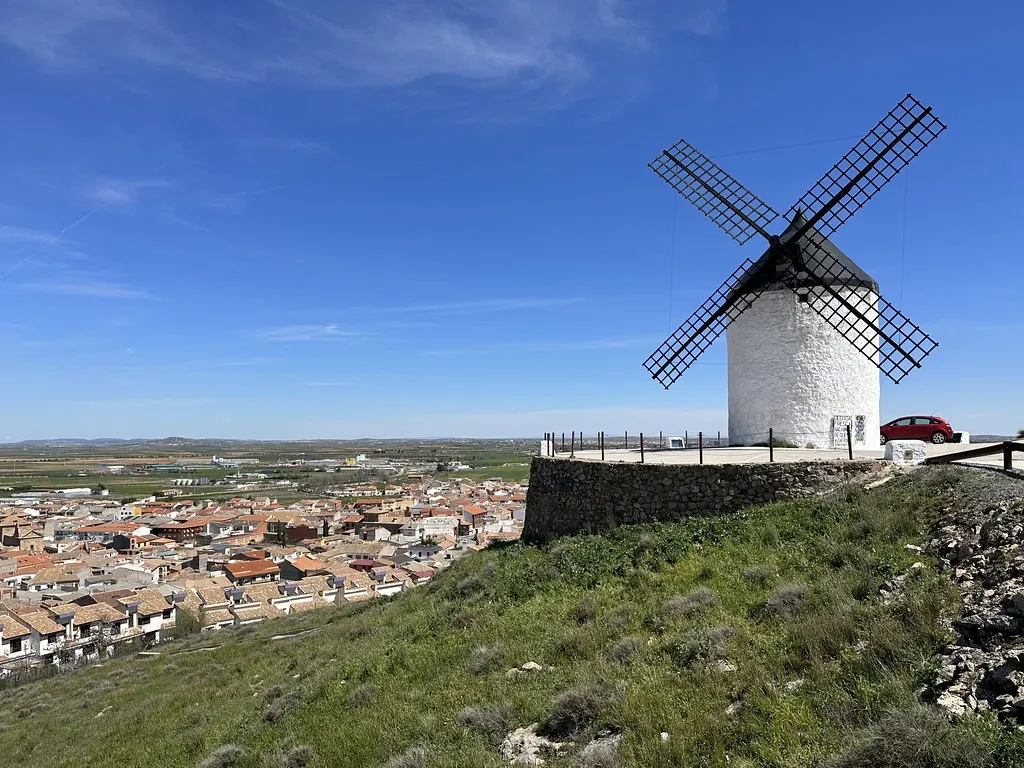
The thermometer reads 35°C in the shade at two o'clock, yet the air feels different up here. At 680 metres above sea level, Socuéllamos sits high enough to catch a breeze that rarely reaches the baking plains of La Mancha below. This elevation isn't just numbers on a map—it shapes everything from the grapes that stripe the horizon to the rhythm of daily life in this working town of 12,000 souls.
Morning Mist and Afternoon Heat
Dawn breaks with a pale haze settling between rows of vines that stretch beyond sight. The morning light reveals a landscape flattened by centuries of agricultural toil, where the only vertical elements are the town's church tower and the distant wind turbines spinning lazily on the ridge. By eleven, the mist burns off and the full force of Castilian sun asserts itself. Locals know the drill: shutters clatter shut, streets empty, and the town enters its midday trance until the temperature eases past four.
This is wine country writ large. The Denominación de Origen La Mancha appellation covers more vineyard acreage than any wine region on Earth, and Socuéllamos sits at its geographical heart. Unlike the manicured estates of Rioja or Ribera del Duero, the viticulture here operates at industrial scale. Tractors the size of small houses crawl between vines during harvest season. Tanker trucks rumble through town carrying must to cooperative wineries that process millions of litres annually. It's agriculture as heavy industry, fascinating in its brute efficiency.
Visitors expecting rustic stone cellars and gentleman farmers should adjust expectations. The working bodegas here are functional structures of concrete and steel, where wine production continues much as it has since the 1950s modernisation. Some maintain the old underground cellars—cool, chalk-walled chambers dug beneath houses where families once made their own supply. A handful open for pre-arranged visits, though you'll need decent Spanish and flexibility with timing. The tourist office opposite the town hall keeps a list, updated seasonally, of which are accepting visitors.
Beyond the Plaza Mayor
The Plaza Mayor forms Socuéllamos's social hub, an open rectangle flanked by the municipal building with its clock tower and arcaded ground floor. Café tables spread across the flagstones from March onwards, though even in high summer you'll find more locals than tourists occupying them. The church of Nuestra Señora de la Asunción dominates the eastern side, its architecture a palimpsest of styles reflecting rebuilding after various collapses and renovations since the fifteenth century. Inside, the retablo displays the usual saints and virgins, but look for the small museum room housing ecclesiastical silver and vestments—opened on request by the sacristan, who appreciates a small donation for his trouble.
From the plaza, narrow streets radiate in an irregular grid. The town lacks the medieval quarter of hilltop villages further south; most buildings date from the late nineteenth and twentieth centuries, constructed during the wine boom that transformed this region from cereal farming to viticulture. Architecture enthusiasts won't find treasures here, but urban planners might note the sensible street widths and consistent two-storey height that keeps everything human-scaled and shaded for much of the day.
The municipal park provides welcome green space on the western edge of town. Mature plane trees create deep shade over paths and benches, while a small lake hosts ducks indifferent to the surrounding semi-arid landscape. During summer evenings, the park fills with families escaping houses that have absorbed the day's heat. An outdoor café serves drinks until midnight, though food options remain limited to crisps and the occasional sandwich.
Pedalling Through the Meseta
Cycling offers the best way to understand the sheer scale of local wine production. Flat farm tracks connect Socuéllamos with neighbouring villages—El Provencio, El Toboso, Quintanar de la Orden—each separated by twenty to thirty kilometres of continuous vineyard. The terrain presents no climbs but distances deceive: what looks like a short ride on the map becomes a four-hour expedition under full sun. Carry water—lots of it—and start early. Several local shops hire basic mountain bikes for €15-20 daily, though quality varies dramatically. Better bikes can be arranged through Casa del Vino in nearby Valdepeñas, requiring advance booking.
The landscape transforms dramatically with seasons. January brings bare vines and freezing mornings where frost feathers the stubble between rows. Spring sees the first green shoots appear in strict geometric lines, while May explosions of poppies create red interruptions in the green matrix. September harvest turns everything frantic as mechanical pickers work floodlit nights to bring in grapes at optimal temperatures. November burning of vine prunings sends columns of smoke skyward, preparing for winter dormancy.
Walking options exist but require planning. The GR-130 long-distance footpath skirts the town, following ancient drove roads used for transhumance between summer and winter pastures. Sections make pleasant half-day walks, particularly west towards the Montes de Toledo where the landscape finally breaks from agricultural monoculture. Marking remains sporadic—download GPS tracks before setting out.
What Actually Tastes Good
Local gastronomy reflects hard-working agricultural traditions rather than tourist refinement. Restaurants cluster around the plaza and along Calle Cristo, offering menus that change little between establishments. Pisto manchego—the Spanish ratatouille—appears as starter or main, depending on egg quantity. Gachas, a thick porridge of flour and water enriched with chorizo and peppers, sticks to ribs during winter months. The local version of gazpacho bears no relation to Andalusian cold soup: here it's a hearty stew of game, often partridge, thickened with breadcrumbs and served steaming hot.
Meat dominates menus. Cordero asado—roast lamb—emerges from wood-fired ovens on Sundays, the exterior caramelised to near-black while interior stays pink and juicy. Portions run large; ordering for one frequently feeds two. Wine arrives in carafes unless specified otherwise, usually young tempranillo from the local cooperative at €2-3 per quarter-litre. It's drinkable rather than memorable, though the price reflects utility rather than connoisseurship.
Vegetarians struggle. Most establishments offer tortilla española and little else beyond salads of iceberg lettuce and grated carrot. The Chinese restaurant on Avenida de la Constitución provides unexpected refuge with decent tofu dishes, though authenticity levels match British curry house standards.
When to Visit, When to Avoid
Spring and autumn deliver the most comfortable conditions. March through May sees daytime temperatures ranging from 15-25°C, ideal for cycling and walking. September offers harvest activity and milder heat, though occasional storms can disrupt outdoor plans. Summer becomes brutal—temperatures regularly exceed 40°C from mid-July through August, making midday activity inadvisable and even evening meals uncomfortable outdoors.
Winter brings its own challenges. Night temperatures drop below freezing from December through February, while daytime highs might reach only 8-10°C. Many restaurants close or reduce hours during these months, and hotel options shrink to two establishments plus a handful of guest rooms. The trade-off comes with empty roads and trails, plus authentic interaction with locals who have time to chat when not dealing with harvest pressures.
Access requires planning. Socuéllamos sits forty minutes by car from Ciudad Real, where high-speed trains connect with Madrid in under an hour. Public transport exists but tests patience: two daily buses serve Madrid (2.5 hours), while local services to nearby towns operate on academic timetables that seem designed to frustrate. Hiring a car becomes essential for exploring beyond the town limits, though the new A-43 motorway makes driving straightforward.
The town won't suit everyone. Those seeking medieval charm or boutique experiences should look elsewhere. But for travellers interested in contemporary rural Spain, where agriculture shapes daily life and tourism remains incidental rather than essential, Socuéllamos offers genuine insight into how most Spaniards actually live beyond the coastal resorts and famous cities. Come prepared for strong sun, robust food, and conversations that might last well past midnight—assuming you can keep up with the local wine flow.