Full Article
about Tarancón
Main industrial and logistics hub of the province; modern town with an old quarter
Hide article Read full article
A stop that smells like lunch
By late morning, the road into Tarancón carries a familiar mix of scents: freshly cooked food drifting out of roadside bars along the carretera de Toledo, mingling with the diesel of lorries pulling in to refuel. For many travellers, tourism in Tarancón begins exactly like this, as a practical stop between Madrid, Cuenca or Valencia.
Food here is not presented as a show. It arrives as something necessary and direct after hours on the road. Gazpacho manchego comes to the table steaming, with pieces of meat that have spent time softening in the pot. It has nothing to do with the cold Andalusian version. This is a hot dish made with bread soaked in game broth, served in a deep plate that demands patience before the first spoonful.
Tarancón does not try to impress at first glance. It meets you halfway, offering warmth, something to eat, and a sense that the place has always been used as a pause between elsewhere.
A crossroads layered with time
Rather than feeling frozen in the past, Tarancón comes across as a place where different periods have settled one over another. The surrounding fields hint at that idea, with pale layers of earth visible in the landscape, as if time itself had been laid down in strips.
In the Plaza de la Constitución stands a sober stone façade often linked to the town’s past as a stopping point for royalty and important travellers on the route towards the Levante. Local accounts say monarchs and their entourages passed through here when this road carried real weight across the peninsula. Today, the building hosts cultural activities and exhibitions. What tends to linger is the sensation of age when stepping through its entrance.
The square itself moves at an unhurried pace during the week. Benches fill with older residents watching cars circle in search of a space. Above them rises the tower of the Iglesia de la Asunción, known locally as the Giralda manchega. The comparison with Seville’s famous tower is more playful than precise, but the nickname has stuck.
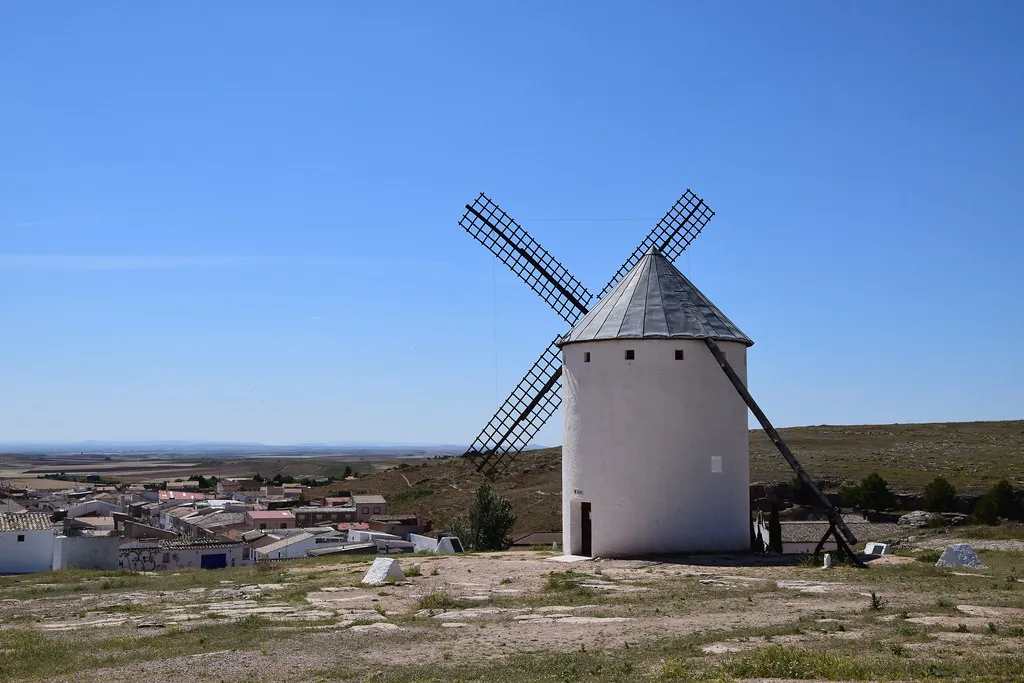
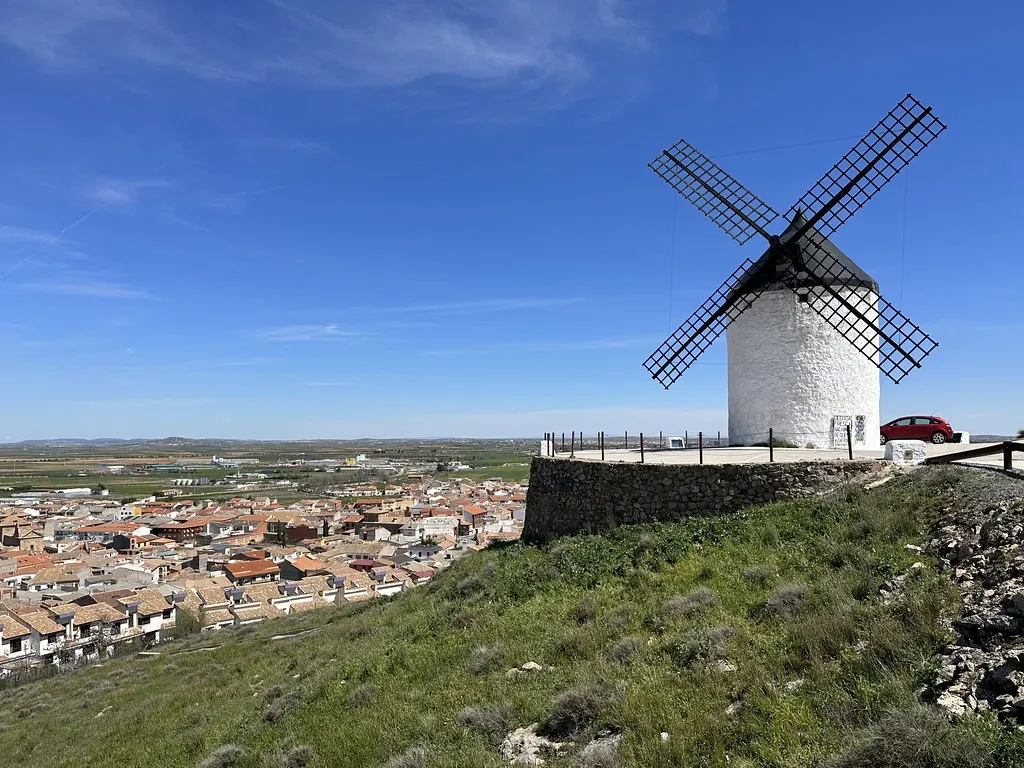
From above, when access is possible, the view stretches out across La Mancha. The landscape shifts with the seasons: green in spring, then dry and ochre when summer tightens its grip. It is a wide, open horizon that feels consistent, even as its colours change.
Flavours that stay off the main stage
Some of Tarancón’s food rarely appears in guidebooks, yet it remains central to local identity. Ajo de mataero is one of those dishes. It tends to come up in conversation with a knowing smile. Traditionally linked to the pig slaughter, it combines garlic, meat and eggs into something hearty, once eaten by those doing the work. It is not an everyday sight now, but it still lives in the town’s culinary memory.
At the market, questions still revolve around origin and quality. People ask where a cheese comes from or whether it has been properly aged. Shopping unfolds slowly, with small talk about the weather or the harvest woven into each purchase. The pantry has not changed much over time: queso manchego, cured meats, bread with a firm crust, and local wines that appear on the table without ceremony.
Towards the end of summer, the romería de Riánsares brings a different rhythm. Closely tied to the town’s patron, the day centres on a gathering at the sanctuary. Many make the journey on foot from the town or along nearby paths. Cars arrive loaded with food, families look for shade, and groups settle in for hours of music, wine and long conversation. The air carries the scent of rosemary, dust kicked up by passing vehicles, and shared meals.
Evening light in Castillejo
As the day begins to fade, the neighbourhood of Castillejo changes colour. Its pale walls shift from white to yellow, then briefly take on a soft golden tone that lasts only a few minutes. This is the oldest part of Tarancón, where streets climb and dip without much apparent logic.
Street names recall trades from another time. Doors are painted in strong colours such as deep green or intense blue, with the occasional worn ochre. Many windowsills hold geraniums that endure both the heat of July and the cold of winter.
Life here unfolds in small, ordinary gestures. A neighbour might throw water mixed with vinegar onto the pavement to cool it down. The explanation comes easily: families have lived in the same houses for generations. Conversations happen at a slow pace, often leaning on a broom or pausing to watch water run downhill. They last only a few minutes, about as long as it takes for the ground to dry in summer, yet they leave behind a clear impression that any sense of hurry comes from outside.
Choosing your moment
Tarancón shifts depending on when you arrive. During Semana Santa, the town takes on a different atmosphere. For years, a Pasión Viviente has been staged with the involvement of many local residents. It does not feel like something arranged purely for visitors. It comes across as a tradition people continue because they want to.
August brings a louder, busier version of the town, especially around the summer festivities. People return who now live elsewhere, and the streets stay lively late into the evening.
Spring offers a quieter experience. The surrounding fields turn green, and the longer afternoons invite walks along nearby paths before the stronger heat sets in. October has its own appeal too. The grape harvest has passed, and the pace settles back into its usual rhythm.
Even for those simply passing along the motorway, Tarancón rewards a short detour. A coffee in one of the older bars is enough to catch a glimpse of how the town works: part stopover, part meeting point, and always grounded in the everyday.