Full Article
about Torrubia del Campo
A farming village near Tarancón, noted for its chapel and traditions.
Ocultar artículo Leer artículo completo
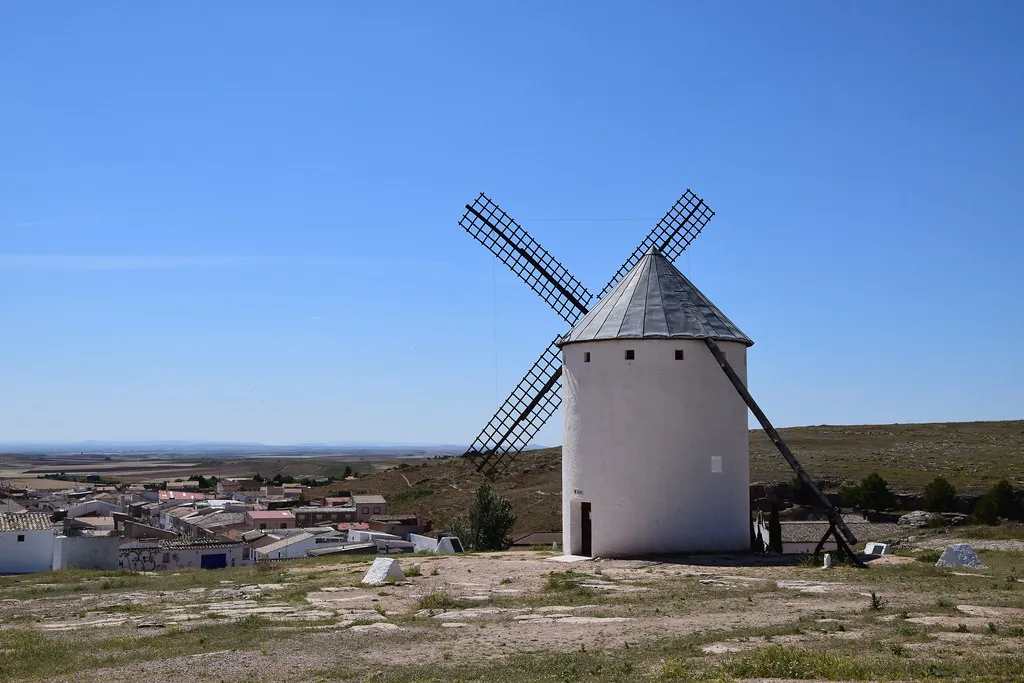
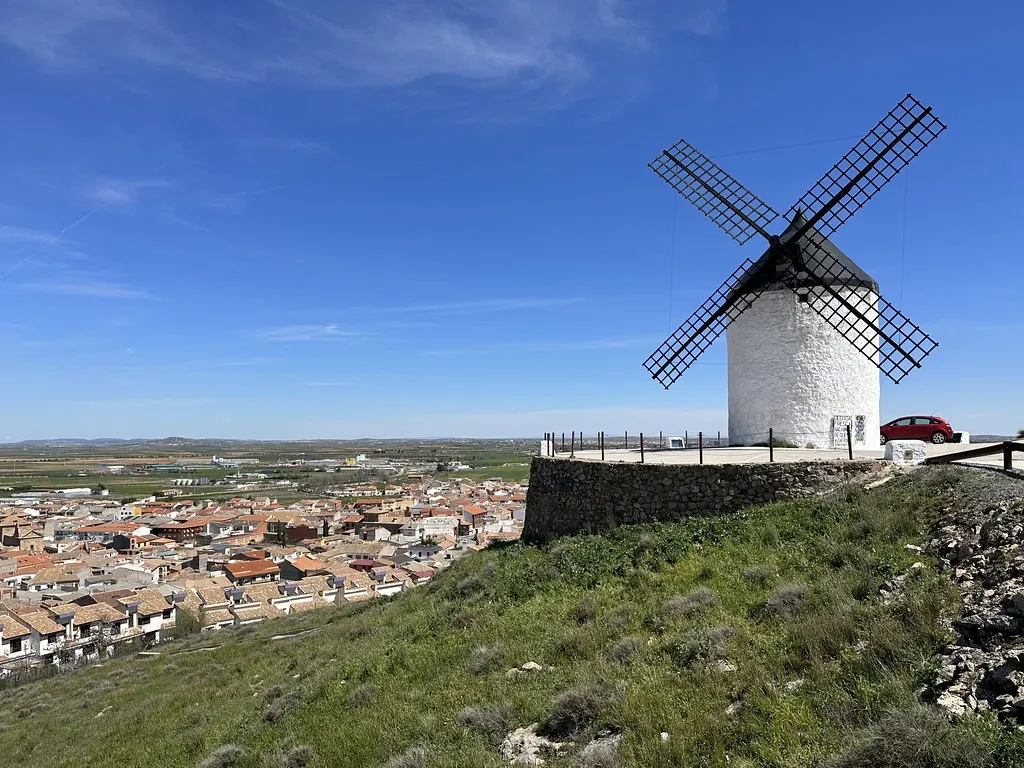
At 800 metres above sea level, Torrubia del Campo sits high enough that the air carries a different weight. The horizon stretches so wide that clouds cast moving shadows across wheat fields for miles, and on clear days you can see the wind before you feel it—a shimmer through the crops that starts somewhere near the low blue hills and rolls straight towards you.
This is La Mancha stripped of tour-bus gloss. The village counts barely 250 souls, and the 30-minute drive from the A-3 leaves the motorway roar behind so completely that the silence feels almost technical, like someone has switched the sound off. Mobile signal flickers in and out; download your maps while you still have 4G outside Honrubia.
A grid of chalk-white walls and timber doors
The centre is two streets by two streets. Houses are squared-off, thick-walled, painted the colour of bone. Their doors—dark timber, iron studs, no two quite the same—stay closed against the midday furnace of July yet stand open at dusk when temperatures drop ten degrees in as many minutes. You will not find souvenir shops; the only commerce is a single bar installed in the old schoolhouse. It opens when the owner finishes fieldwork, closes when the last card game ends. Bring cash; the nearest ATM is 8 km away and the card machine broke in 2019.
The 16th-century parish church watches over the tiny plaza like a quiet referee. It is not spectacular, but its stone has absorbed five centuries of village gossip, baptisms and funerals; step inside and the cool air smells of wax and grain dust. The key hangs next door—ask at the house with the green persiana, and they will hand it over without paperwork.
Walking into the sky
Torrubia’s real monument is the land around it. A lattice of farm tracks fans out across the plateau, signed only by the occasional cement post bearing a fading number. Pick any track at sunrise and walk for thirty minutes; you will share the path only with crested larks and the odd hare. Spring brings a brief, almost shocking green that lasts until late May; by July the wheat turns gold and the stubble scratches your ankles. In autumn the soil is ploughed back to rich chocolate brown, and the cycle feels almost too obvious, like a geography textbook brought to life.
The terrain is gently rolling rather than dramatic—this is not hiking for summit-baggers—but the altitude keeps summer heat bearable if you start early. Carry water; the only fountain is in the village and the next bar is a 45-minute bike ride away. Cyclists like the loop south towards the ruined Casas de San Juan: 22 km of empty tarmac with a single hill sharp enough to remind you legs exist.
What you will eat (and when you will not)
Regional dishes arrive rib-sticking and garlicky. At Hotel Restaurante Marino, just off junction 168, the €14 menú del día starts with atascaburras—potato, cod and egg mashed to a volcano shape with a protruding chilli pepper—followed by cordero al ajillo, lamb that falls off the bone into a pool of oil fragrant with smashed cloves. Vegetarians get a grilled pisto and an apology; vegans should pack sandwiches. The hotel kitchen shuts at 22:00 sharp—kitchen staff live in Cuenca and the road is dark afterwards.
Back in the village, toasted bocadillos are assembled to order: serrano ham, Manchego cheese, or the local morcilla so soft it spreads like butter. Ask for sin aceite if you dislike your bread anointed; the default is a generous glug. Bottle beer is Cruzcampo, served so cold it hurts. The owner also sells jars of local honey, pale and thyme-scented, which British visitors invariably describe as “surprisingly delicate” before buying three.
Parties that finish before they begin
Fiestas patronales land on the third weekend of August. By British standards the programme is modest: Saturday evening verbena with a sound system wheeled onto the basketball court, Sunday midday mass followed by giant paella cooked in a pan the size of a satellite dish. Fireworks are let off at dawn—single charges that echo across the plateau like rifle shots—yet even then visitor numbers barely top a hundred. If you want raucous, Cuenca city is 45 minutes away; if you want to see what happens when everyone in town genuinely knows everyone else, come here.
Winter is the quietest season. Daytime highs hover around 8 °C, nights drop below zero and the wind whistles through doorjambs. Some roads become impassable after snow, though that happens only twice most years. The bar shortens its hours and conversation moves inside to front rooms where the television stays on low. Unless you crave absolute solitude, visit between April and mid-June or in late September when the light is soft, the wheat either fresh green or harvest gold, and the temperature sits in the low 20s.
The practical bit no one prints
There is no accommodation in Torrubia itself. The nearest beds are at Hotel Restaurante Marino in Honrubia—21 simple rooms, all with air-conditioning and Wi-Fi that actually works (booking essential at weekends). Petrol stations are 8 km east or 10 km west; fill up because joy-riding around the back lanes will empty your tank faster than you expect. A doctor swings through once a month; otherwise the health centre is in Honrubia. Bring repeat prescriptions.
Fly into Madrid, collect a hire car at Terminal 1, and take the A-3 southeast for 130 km. Leave at exit 168, signposted Honrubia/Torrubia del Campo, then follow the CM-210 for 12 minutes across the plateau until the church tower appears. There is no bus; a taxi from Cuenca will cost around €70 each way and the driver will ask why you are going.
Leave before dusk if you are nervous about rural driving; the N-road is lit, the last 5 km are not. Alternatively stay for sunset—when the sky turns the exact shade of a Campo Viejo advert—and drive back slowly with full beam and the windows down. The smell of warm thyme drifts in, the world feels three times wider than at home, and you will understand why some maps still leave this stretch of La Mancha almost blank.