Full Article
about Turleque
A farming town in La Mancha, noted for its neoclassical church funded by the Infante Gabriel.
Hide article Read full article
Getting There and Finding Your Bearings
A visit to Turleque starts simply: getting there and parking up. From Toledo, the drive takes about 45 minutes along the CM‑400, an easy road with little traffic. Once in the village, parking near the centre is usually straightforward unless there is a local celebration taking place.
Turleque has around 700 residents and sits in the open plains of La Mancha at roughly 690 metres above sea level. Everything is close together. There is no need to plan a route in detail, as the village can be explored on foot without much thought.
The landscape sets the tone straight away. This is La Mancha in its most recognisable form: wide, flat and quiet. The sense of space is constant, even before stepping beyond the village streets.
The Centre: Everyday Life, Unchanged
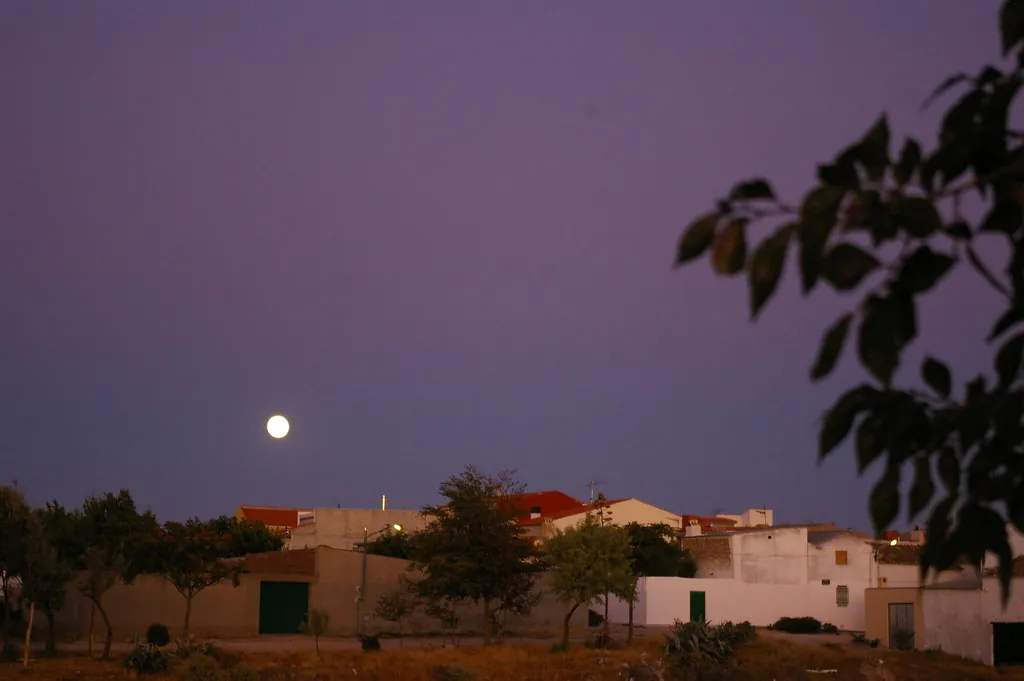
Turleque moves at its own pace. Whitewashed streets, low houses and very few eye-catching renovations define the centre. Daily life here feels much the same as it did decades ago, with little sign of change for the sake of appearances.
At the heart of the village stands the Iglesia de San Cipriano, located on the main square. Its origins date back to the 14th century, although the building has undergone several alterations over time. The tower rises above the surrounding rooftops and is visible from most streets, acting as a simple point of reference as you walk around.
If the door happens to be open, the interior reveals modest altarpieces and a handful of religious items. There is nothing elaborate about it, but it reflects the character of the village itself: practical and unadorned.
The square follows the same logic. It is functional rather than decorative, with benches and locals chatting, and little activity outside the usual times of day. There are no major landmarks or carefully designed viewpoints for photos. What you see is simply how the place works.
Out Into the Open Countryside
Step beyond the built-up area and the surroundings change quickly. Fields stretch out for kilometres in every direction, reinforcing the sense of scale that defines this part of Castilla La Mancha.
Depending on the season, the land alternates between cereal crops, patches of vineyard and areas of olive groves. The terrain remains flat throughout, with no dramatic shifts in elevation or landscape.
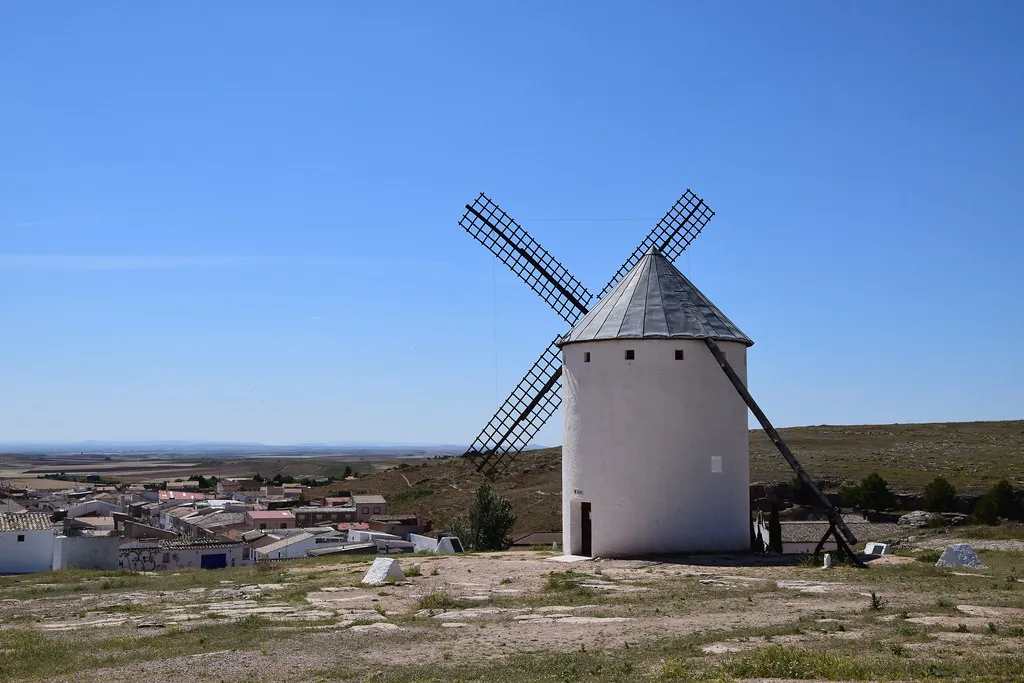
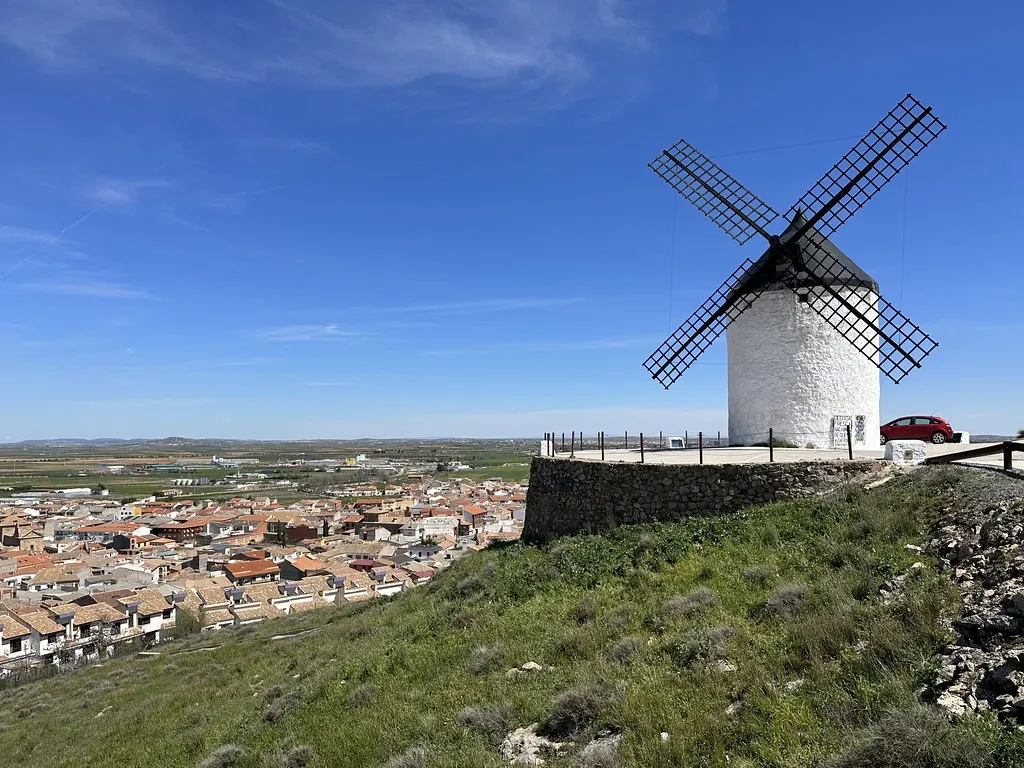
One thing noticeably absent within the municipality itself is windmills. For many visitors, windmills are closely associated with La Mancha, but they are not found here. Those looking for that particular image will need to head to nearby towns.
The agricultural tracks that cross the fields are easy to follow and suitable for walking or cycling. They are wide, with very little incline, and once away from the village there is a marked sense of quiet. It is a straightforward environment, with no need for special preparation or effort.
Festivities and Local Rhythm
Turleque’s calendar revolves around its local traditions rather than large-scale events. The main festivities take place in September in honour of San Cipriano. During these days, processions move through the streets around the church, and the square becomes a focal point for activities over several days.
In summer, simpler events are organised. These typically include music and gatherings among residents, keeping things informal and community-focused. There is no attempt to turn them into large attractions.
Semana Santa, or Holy Week, is also observed, though in a restrained way. The processions and religious elements remain present, but the scale is modest. It feels more like a continuation of local custom than something designed with visitors in mind.
This approach runs through much of village life. Events happen because they always have, not because they are meant to draw attention.
Before You Leave
Food in Turleque follows the traditions of the surrounding region. Dishes such as gachas, pisto manchego, migas and seasonal stews are typical. There is nothing unusual or adapted for visitors, just the kind of cooking long established in La Mancha. If stopping for a meal, the most reliable approach is to ask what is being prepared that day.
Turleque is not a place that fills an entire day. It can be seen quickly, without rushing. It works best as a short stop on a wider route through La Mancha or as a quiet base for visiting nearby villages.
Those looking for large monuments or major attractions will need to continue elsewhere. For anyone interested in seeing a La Mancha village as it is, without embellishment, a walk around the centre is enough to understand what Turleque offers.