Full Article
about Villamayor de Santiago
Town of the Order of Santiago with a historic bullring and famous cheeses.
Hide article Read full article
Villamayor de Santiago es el pueblo que te quita las prisas
Llegué a Villamayor de Santiago con una lista mental de cosas que ver. Para cuando me tomé el segundo café, ya la había perdido. No es que no tenga puntos de interés, es que el ritmo aquí funciona de otra manera. Es ese tipo de sitio donde sacar la silla a la calle no es una postal, sino algo que ocurre porque sí. El tiempo parece más ancho.
La clave está en no forzarlo. Esto no es Toledo ni Cuenca; es un pueblo manchego con sus calles desgastadas por el sol y su vida propia. Si vienes buscando monumentos espectaculares cada cinco metros, te vas a aburrir. Pero si lo que quieres es entender cómo se vive en esta parte de La Mancha, sin filtros turísticos, entonces empiezas a pillarle el punto.
Una iglesia con varias capas de historia
La torre de la Iglesia de la Asunción se ve desde casi cualquier callejón. Es tu punto de referencia constante. Lo curioso no es solo su tamaño, sino su fachada: ahí está la cruz espada de la Orden de Santiago, clavada en la piedra como recordatorio de quién mandaba aquí hace siglos.
Entrar es como hojear un libro de arquitectura sin querer. Empieza gótica, le añaden un toque renacentista por algún lado, y el interior se fue recargando con el barroco. No es una obra maestra del estilo puro, pero tiene más personalidad por eso mismo. Si tienes suerte y el cura o algún vecino anda por ahí, pregunta si puedes subir al coro. La vista desde arriba te explica el pueblo: las calles se enroscan alrededor de la torre sin un plan claro, especialmente la Calle de las Monjas, que parece dibujada con un solo trazo.
Donde antes se guardaba el granel, ahora se toma el café
A dos minutos a pie está lo que fue el Palacio de los Comendadores. Hoy son viviendas particulares, pero la portada aún tiene ese aire serio y administrativo, como si aún estuviera gestionando las cosechas del siglo XVI.
Justo enfrente está La Tercia. Este edificio era el almacén del grano que se cobraba como impuesto. Ahora alberga tiendas locales y un bar donde los abuelos juegan a las cartas por las mañanas. Me gusta este contraste: paredes históricas que han acabado sosteniendo el día a día más normal. Es lo que pasa en muchos pueblos de esta región: la historia no está en un museo; está en tu camino cuando vas a comprar el pan.
La romería de Magaceda: campo y comunidad
Si hablas con alguien local, tarde o temprano sale Magaceda. Se refieren a la Virgen y a su ermita, unos kilómetros fuera del pueblo. La romería suele ser a finales de mayo y es, probablemente, el día grande.
La gente va andando por un camino rural que sube y baja entre campos abiertos hasta llegar a una zona de pinos bajos y monte bajo típicamente manchego. No es una caminata épica; son unos 40 minutos tranquilos. Allí se junta todo: misa al principio, pero luego comidas familiares en el suelo (con sus sillas plegables y sus tortillas), grupos charlando y alguna guitarra que aparece sin avisar. No hay un programa rígido; todo fluye por inercia y costumbre. Aunque no seas religioso, vale la pena verlo (si coincides con las fechas) solo por ver cómo ocupan el espacio entre lo sagrado y lo social.
El molino que te pone los pies en la tierra
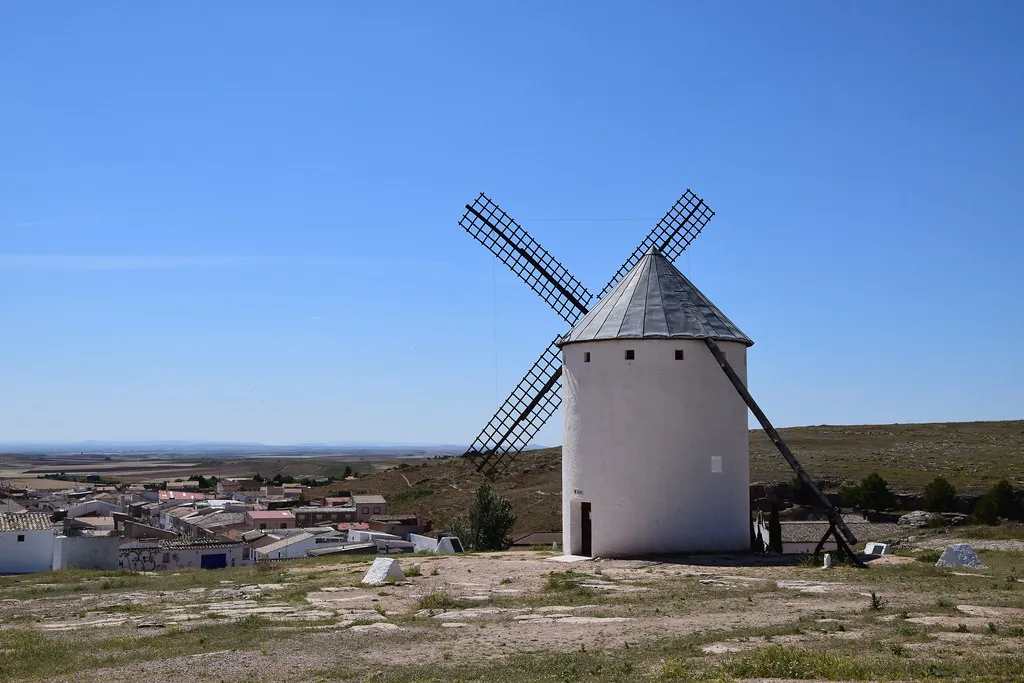
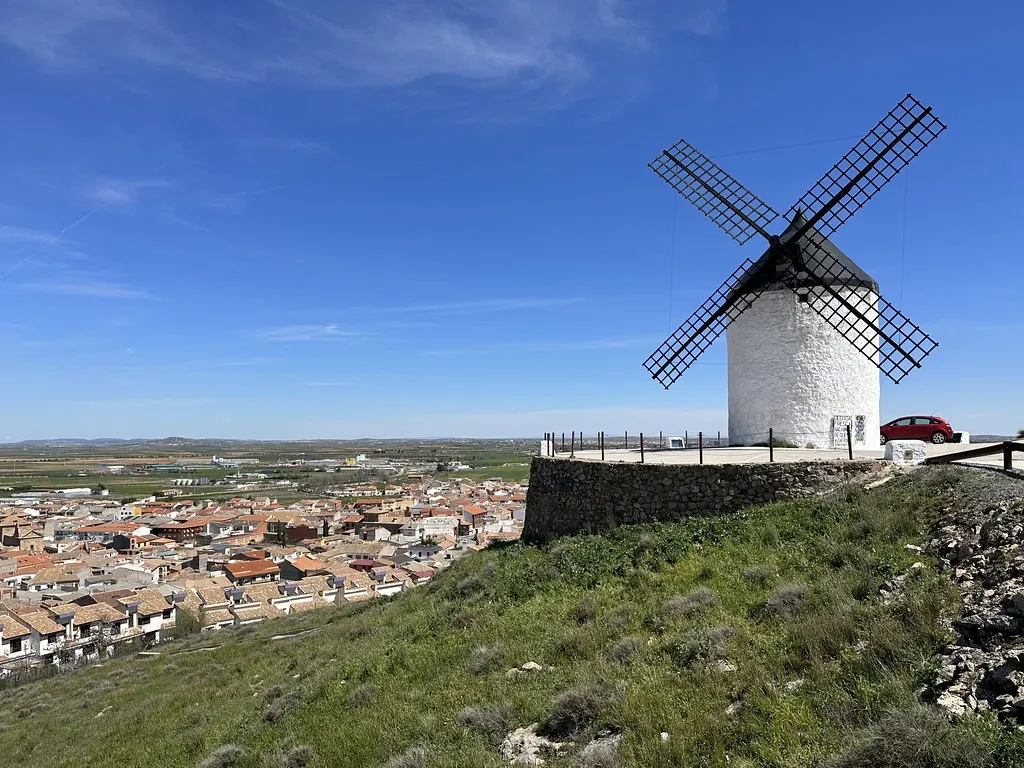
En las afueras está el Molino del Labrador. Es pequeño. No esperes un museo interactivo con pantallas táctiles. Es una nave antigua con maquinaria conservada para explicar cómo se molía el trigo. Lo interesante aquí no es wow factor visual, sino darte cuenta cómo funcionaba esto: la relación directa entre esos campos infinitos que rodean Villamayor y este mecanismo lleno de poleas y piedras. Te pone en contexto. Sales sabiendo exactamente qué sostenía económicamente este lugar antes de que existiera casi todo lo demás.
Cómo pasar un día aquí (sin agobiarse)
Mi recomendación sería algo así: Llegar a media mañana, dar una vuelta sin rumbo por las calles del centro antiguo, entrar en la iglesia si está abierta, y dejarse llevar por esa sensación laberíntica pero tranquila. Para comer, hay varios bares alrededor de la plaza principal donde sirven cocina manchega contundente: guisos, migas, eso. Prepárate para una sobremesa larga; aquí nadie te va a mirar raro por quedarte dos horas hablando.
Si te apetece caminar después, tienes dos opciones: el sendero hacia la ermita de Magaceda (si no es época de romería, estará vacío y silencioso) o cualquiera de los caminos agrícolas que salen del pueblo. El paisaje es plano, amplio, dominado por cereales y ese cielo enorme tan manchego. Al atardecer, la actividad vuelve a concentrarse en unas pocas calles y plazas. La gente sale otra vez, se oyen campanadas marcando las horas… y poco más.
Villamayor de Santiago no te va a sorprender con grandes monumentos. Te gana por desgaste lento: cuando te das cuenta, llevas tres horas sentado viendo pasar la tarde sin haber hecho nada especial… pero sintiendo que has estado en algún sitio real