Full Article
about Villaverde y Pasaconsol
Agricultural village with an odd name; Baroque church and local traditions
Hide article Read full article
Villaverde y Pasaconsol es ese tipo de lugar que te hace comprobar el GPS dos veces. Has estado conduciendo kilómetros rectos entre campos, pasando algún desvío a una nave ganadera, y de repente aparecen: dos grupos de casas bajas separadas por un par de curvas de carretera. Apagas el motor y lo primero que notas no es algo que ves, sino algo que no oyes. Es el silencio práctico del campo: una puerta que se cierra, un tractor arrancando a lo lejos, el viento en los cables de la luz. Aquí no hay prisa porque no hay dónde tenerla.
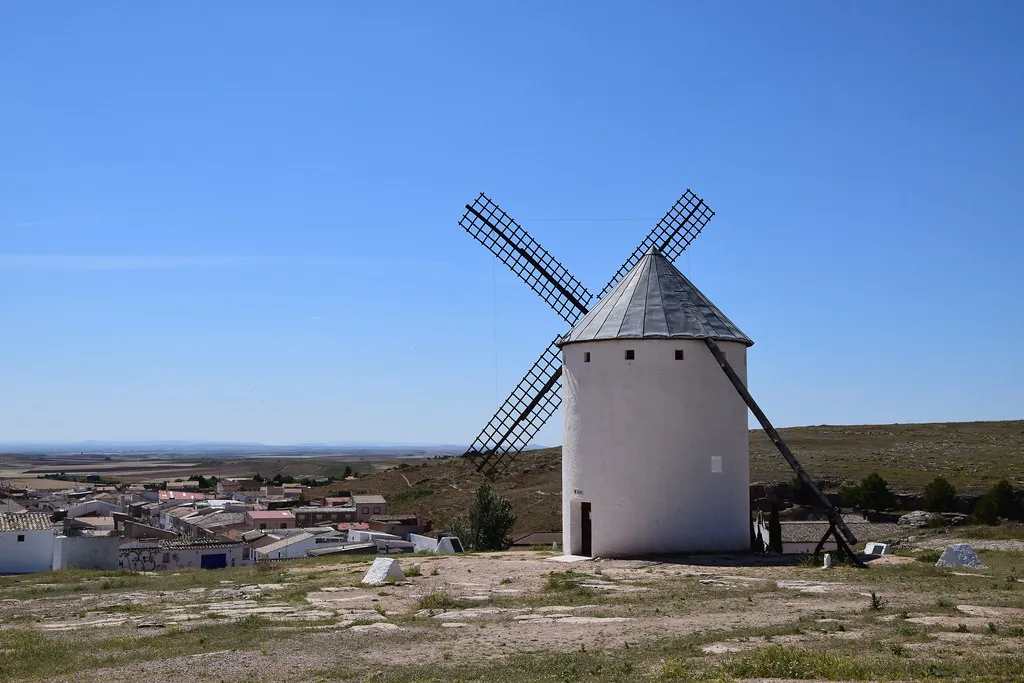
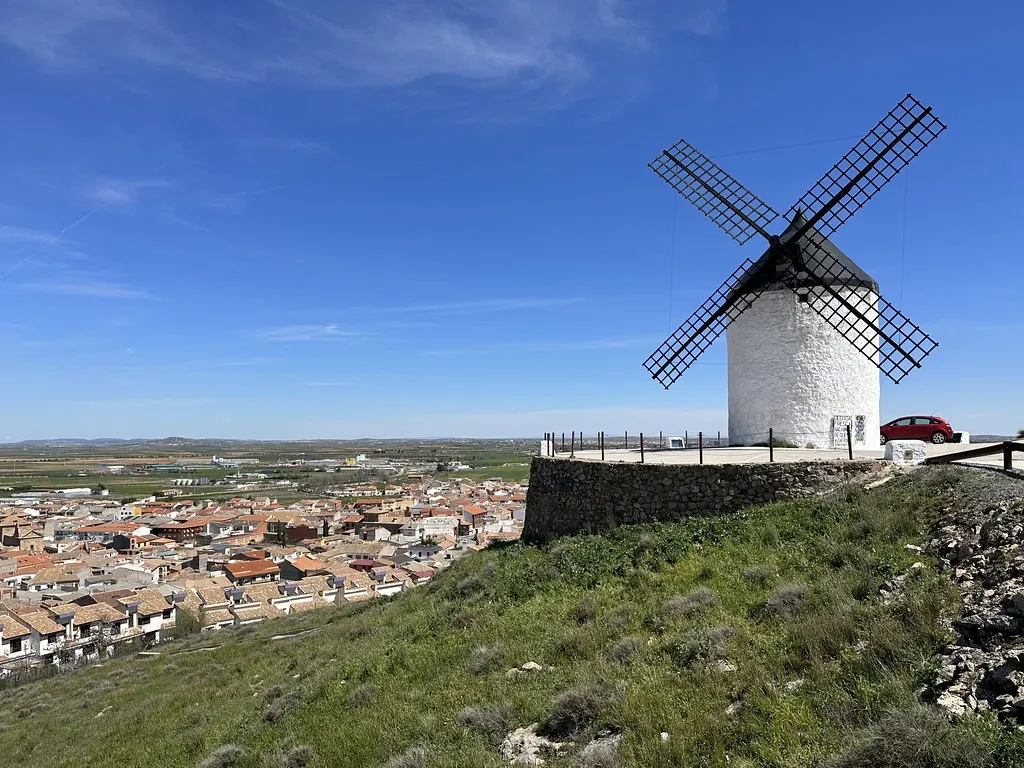
Son dos núcleos que funcionan como uno solo, unidos por la historia y por la carretera local. Las casas te cuentan cómo se construía aquí hace décadas: tapial, teja árabe, estructuras pensadas para aguantar el cierzo en enero y el solazo en julio. La arquitectura es de manual manchego, sin concesiones.
El paisaje lo pone todo en contexto. Son kilómetros de cereal que cambian de traje con las estaciones. En abril es una mancha verde intenso que parece pintada; para agosto ya es un mar dorado y seco; en noviembre, la tierra arada tiene un color pardo. Vuelves tres meses después y parece otro sitio.
Un paseo corto, sin lista de monumentos
En Villaverde, la iglesia de la Asunción hace de plaza mayor. Es de mampostería, con una espadaña que no aspira a ser catedral. Las calles a su alrededor son eso, calles donde vive gente: fachadas encaladas, alguna reja antigua, balcones de madera ya escasos.
No vengas buscando un itinerario turístico. En media hora has recorrido lo recorrible. Y esa es justo la gracia: es el sitio donde perderse sin miedo a perderte nada. La escala es humana, literalmente. Te fijas en los geranios de una ventana o en el diseño viejo de una aldaba porque no hay una “atracción principal” que te robe la atención.
Pasaconsol repite la misma fórmula discreta. Juntos son un buen ejemplo de cómo se vive (sin aspavientos) en los pueblos agrícolas de esta parte de Cuenca.
Salir al campo (sin senderos señalizados)
Aquí lo interesante está fuera del casco urbano. Los campos se abren hasta donde alcanza la vista, rotos solo por alguna loma con encinas y algún enebro solitario. El horizonte es ancho; los días claros parecen más largos. No es raro ver alguna rapaz trazando círculos sobre los barbechos.
No esperes rutas marcadas con paneles informativos ni miradores con barandilla. Lo que hay son caminos agrícolas de tierra, algunos usados por los vecinos para llegar a sus parcelas, otros perfectos para una caminata larga o para ir en bici. Si te gusta explorar sin letreros que te digan por dónde ir, aquí tienes terreno.
En otoño aparece otra actividad: la gente sale a buscar setas. Es algo que requiere saber lo que se hace (nada de improvisar), y forma parte del ciclo del año más que del “ocio rural”.
La sensación global es de espacio abierto y expuesto. El tiempo atmosférico es un personaje más: lo notas en el color cambiante de los cultivos o en la luz blanca del mediodía en verano.
Comida del tiempo
La cocina aquí sigue pegada al territorio. En comidas familiares o en las fiestas del pueblo aún salen platos como el gazpacho manchego (que nada tiene que ver con el frío andaluz; aquí es un guiso contundente de carne y torta) o las gachas (una papilla caliente harinosa). Son recetas que entiendes perfectamente después de una mañana dando vueltas por el campo: alimentan.
También hay miel local; no es extraño ver colmenas junto a algunos caminos. La gastronomía no se plantea como espectáculo sino como parte del día a día.
Cuando anochece
Para quien viene de ciudad, la noche sorprende. Al apagar las luces del pueblo se ve el cielo como pocas veces: estrellado, profundo. No hay observatorios ni actividades organizadas; basta alejarse cien metros de las últimas farolas para notar la diferencia. Es un efecto secundario gratuito del aislamiento.
Los días con vida
Durante gran parte del año el ritmo es tranquilo. Eso cambia durante las fiestas principales (suelen ser en agosto), cuando vuelven muchos vecinos que viven fuera. Hay música comidas colectivas y movimiento en las calles. La Semana Santa también tiene su procesión sencilla participativa. Son momentos puntuales donde se nota la comunidad después todo vuelve a su pulso habitual.
Cuándo venir
Los mejores momentos para andar por los caminos son primavera y principios del otoño. El clima suele ser más llevadero. En pleno julio agosto conviene evitar las horas centrales del día; el sol manchego no perdona. El invierno trae frío seco pero también paisajes muy quietos y noches cristalinas ideales para mirar arriba.
Villaverde y Pasaconsol no son un destino para coleccionar postales monumentales. Funcionan mejor como una parada consciente como un respiro dentro un viaje más largo por La Mancha. Vienes por el silencio por ver cómo cambia la luz sobre los campos por comprobar que hay sitios donde el reloj sigue marcando las estaciones. Si ajustas tus expectativas a eso la visita cobra sentido