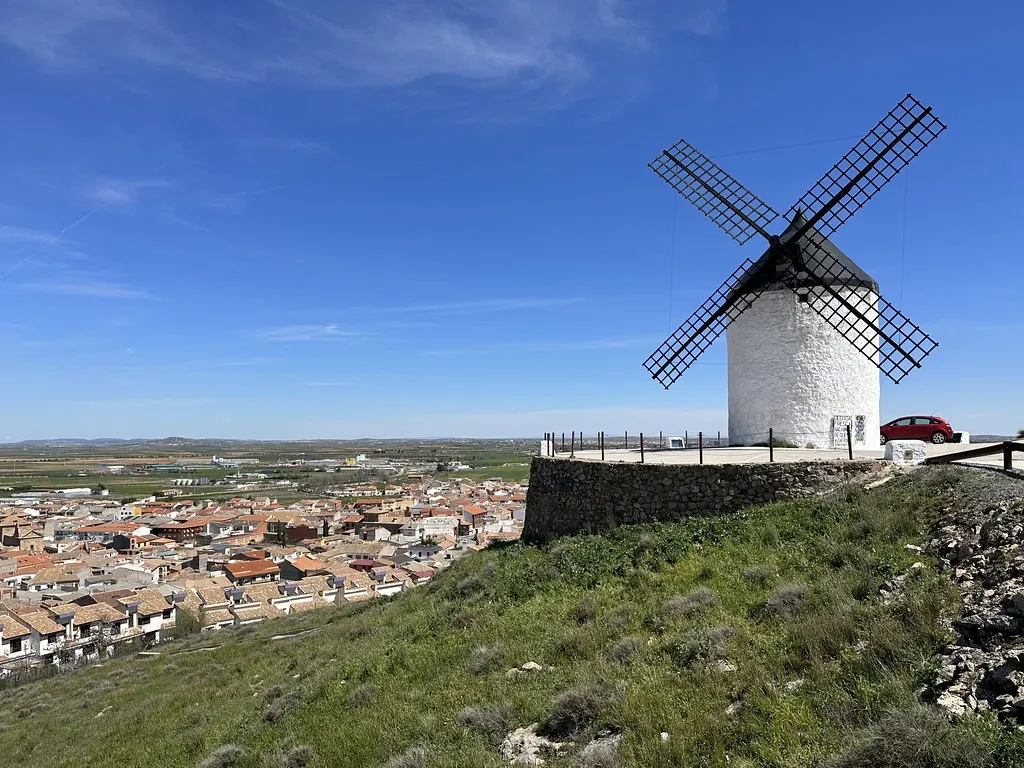
Vista aérea de Zafra de Záncara
Instituto Geográfico Nacional · CC-BY 4.0 scne.es
Castilla-La Mancha · Land of Don Quixote

Zafra de Záncara

The grain silo catches the dawn light first. By the time the church bell tolls seven, the whole plateau is awash in bronze, and the only traffic ja...

92 inhabitants · INE 2025
950m Altitude

Why Visit

Mountain Church of the Assumption Panoramic photo

Best Time to Visit

summer

Fiestas of the Virgen del Rosario (October) agosto

Things to See & Do
in Zafra de Záncara

Heritage

  • Church of the Assumption
  • steep streets

Activities

  • Panoramic photo
  • Hiking

Festivals
& & Traditions

Fecha agosto

Fiestas de la Virgen del Rosario (octubre)

Las fiestas locales son el momento perfecto para vivir la autenticidad de Zafra de Záncara.

Full Article
about Zafra de Záncara

Town perched on a hill with spectacular views; medieval layout

Ocultar artículo Leer artículo completo

The grain silo catches the dawn light first. By the time the church bell tolls seven, the whole plateau is awash in bronze, and the only traffic jam is a farmer’s dog trotting after a tractor that left twenty minutes ago. At 950 m above sea level, Zafra de Záncara sits high enough for the air to feel rinsed, and low enough in population—barely one hundred souls—for silence to count as a form of civic heritage.

A Plateau that Breathes

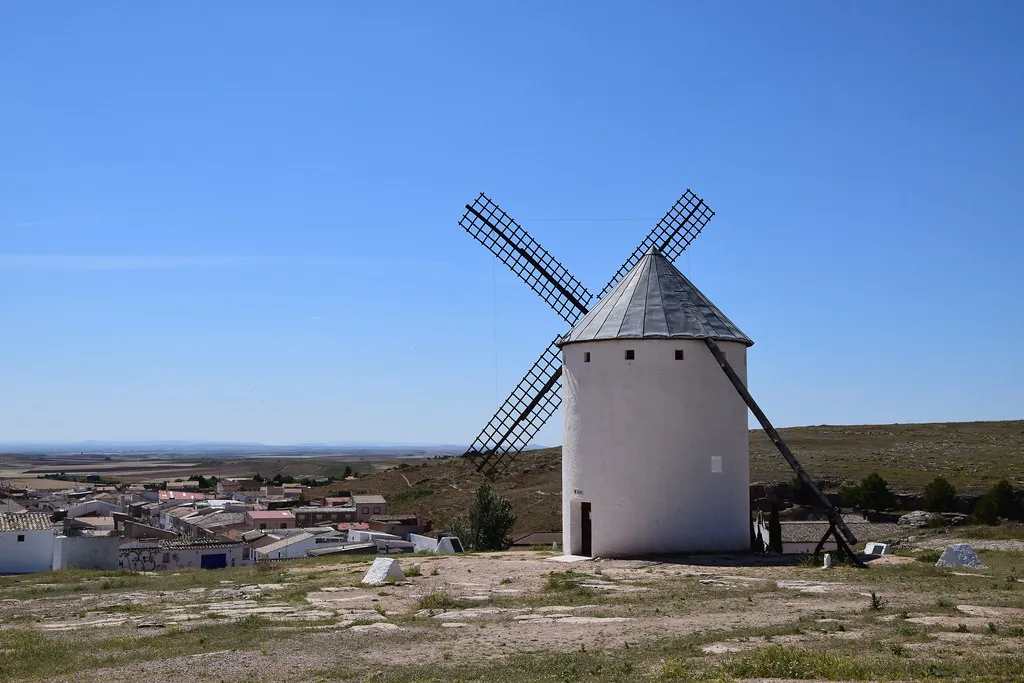
Castilla-La Mancha is famous for its windmills, yet the blades here are the size of weather vanes. Instead, the horizon does the theatrical work: wheat, barley and fallow land roll outward in ruler-straight stripes until they dissolve into sky. Spring brings poppies that flicker like faulty red LEDs among the green; by July the palette has baked to gold and umber. The village itself is a one-storey shrug of whitewashed houses, timber gates and the occasional geranium that refuses to acknowledge drought. There is no centre in the British sense—no market square flanked by tea rooms—just a fork in the road where the bar, the church and the cash-point compete for architectural attention.

Locals will tell you, without a trace of irony, that the main sight is the sky. Cloud formations arrive like fleets, cast shadows the size of counties, then dissolve. Birdlife is the only commuter traffic: kestrels hover over verges, lapwings flick in tight formation, and the occasional great bustard lifts off from stubble with the grace of an overloaded cargo plane. Bring binoculars, but leave the tick-list at home; nothing is rare enough to brag about on Twitter, and phone signal is patchy anyway.

How to Arrive Without Apologising

The closest international gateways are Madrid-Barajas (180 km) and Valencia (200 km). From either, the A-3 motorway unspools east across La Mancha’s cereal ocean; turn off at Motilla del Palancar and follow the CM-210 for twenty minutes of empty road. Car hire is essential—public transport is a school bus at dawn and a prayer at dusk. In winter the CM-210 can glaze over; carry snow socks even if the hire firm laughs. Summer drivers should fill the tank in Motilla; the village pump closes for siesta and card machines have been known to sulk.

Walking Papers

Forget way-marked trails. Footpaths here are agricultural tracks used by farmers who already know where they’re going. A basic Ordnance Survey-style map does not exist, so screenshot satellite imagery before the signal dies. The most straightforward circuit heads south past the cemetery, dips into a seasonal stream lined with tamarisk, then climbs gently onto the meseta. Allow ninety minutes for 5 km; the only elevation gain is the emotional kind. Cyclists can extend the loop towards La Almarcha, but tyre sealant is wise—the stubble fields shed thorns like dandruff.

Early mornings smell of dew and diesel; by midday the scent turns to hot pine resin from the scattered copses that survive on north-facing slopes. The reward for staying out late is astronomical: light pollution is measured in single candlepower, and the Milky Way arches from silo to church tower like a publicity stunt for the International Dark-Sky Association.

What Passes for Gastronomy

The village bar doubles as the village restaurant, the village television lounge and, on Saturday nights, the village disco. House rules are simple: if the owner likes the look of you, she’ll fry whatever was brought in that morning. Expect partridge stew in season, gazpacho manchego (a thick game broth with flatbread, not the cold tomato soup Brits know), and migas—fried breadcrumbs strewn with garlic, grapes and the local chorizo that stains the plate paprika-red. A three-course lunch with wine runs to about €12; cards are accepted, but cash keeps the relationship friendly. Vegetarians should confess early—salad means iceberg, tomato and a polite silence.

For self-caterers, the nearest supermarket is twenty minutes away in Horcajo de Santiago. Stock up on Manchego curado aged for eighteen months; it costs half the London price and comes in wheels the size of wagon tyres. The bakery van visits Zafra on Tuesdays and Fridays; chase it down for still-warm pan de pueblo that tears into irregular shards perfect for olive oil.

Where to Sleep (and Why You Might Not)

Accommodation totals two options, both outside the village proper. Casas Rurales Planeta Chicote offers four converted farmhouses sharing a salt-water infinity pool that faces directly into the sunset. Prices start at €90 per night for a two-bedroom cottage, minimum two nights, and dogs are welcome if they resist herding the resident donkeys. The other choice is Antigua Casa de Pedro Chicote, a single loft conversion with exposed beams and underfloor heating—useful because nights up here drop to 5 °C even in May. Book early for April-June; photographers block out weeks to catch the poppy bloom, and they’re not polite about last-minute arrivals.

Neither property provides dinner, so factor in a 15-minute drive after your wine. Taxis are mythical; the bar owner’s nephew will run you back for €20 if he’s in a good mood.

Calendar of Small Bangs

Fiestas patronales erupt in mid-August when returning grandchildren inflate the population fivefold. Events kick off with a foam party in the irrigation trough—health-and-safety forms are conspicuously absent—followed by open-air paella for 300 cooked in a pan wider than most living rooms. The religious bit involves processing the Virgin two streets to the church while elders compete to hold the canopy; timing is approximate, dependent on temperature and sherry. If you hanker for authenticity, visit on 3 February for the blessing of the animals. Farmers lead donkeys, hunting dogs and the occasional sheep through the church door while the priest sprinkles holy water like ecclesiastical rain. Tourist count: zero, unless you count yourself.

The Honest Verdict

Zafra de Záncara will not change your life. There are no souvenir shops, no Michelin stars, no ancient ruins to fill an Instagram grid. What it does offer is a calibration service for urban reflexes: silence measured in kilometres, conversations that pause without awkwardness, and a sky that reminds you horizons are meant to be wider than a phone screen. Come for two days, three if you need to remember how boredom feels before it becomes creative. Pack layers, download offline maps and bring cash. Leave before you start rating sunsets out of ten; the plateau will carry on rotating without commentary, and that, ultimately, is the point.

Key Facts

Region
Castilla-La Mancha
District
La Mancha
INE Code
16277
Coast
No
Mountain
Yes
Season
summer

Livability & Services

Key data for living or remote work

2024
Housing~5€/m² rent · Affordable
Sources: INE, CNMC, Ministry of Health, AEMET

Official Data

Institutional records and open data (when available).

  • ESCUDO EN 07161570007 CASA PLAZA DEL COSO, Nº 8
    bic Genérico ~6.1 km
  • ESCUDO EN 07161570011 IGLESIA PARROQUIAL DE LA ASUNCIÓN
    bic Genérico ~6.3 km
  • TORREÓN Y LIENZO DE MURALLA
    bic Genérico ~0.8 km

Planning Your Visit?

Discover more villages in the La Mancha.

View full region →

More villages in La Mancha

Traveler Reviews