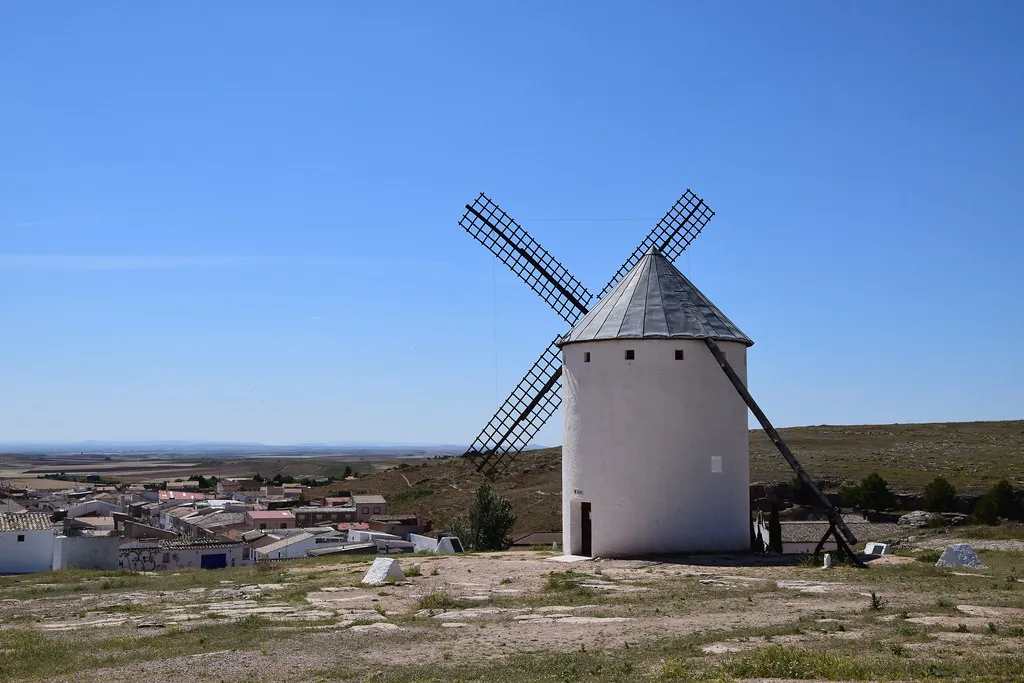
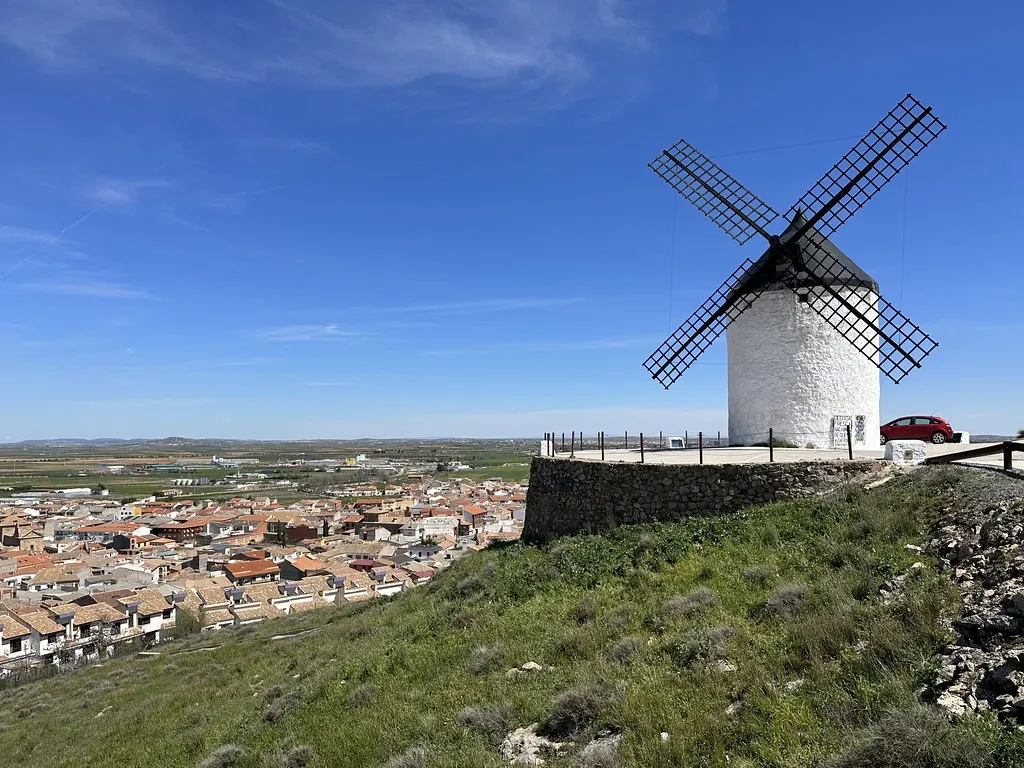
Vista aérea de Zarza de Tajo
Instituto Geográfico Nacional · CC-BY 4.0 scne.es
Castilla-La Mancha · Land of Don Quixote

Zarza de Tajo

Two hundred and sixty-eight souls. That's the official count for Zarza de Tajo, though on a Tuesday afternoon in March you'd swear it was fewer. Th...

320 inhabitants · INE 2025
710m Altitude

Why Visit

Church of the Visitation Tajo River trails

Best Time to Visit

summer

Virgen de las Nieves Festival (August) agosto

Things to See & Do
in Zarza de Tajo

Heritage

  • Church of the Visitation
  • Granary House

Activities

  • Tajo River trails
  • Local cuisine

Festivals
& & Traditions

Fecha agosto

Fiestas de la Virgen de las Nieves (agosto)

Las fiestas locales son el momento perfecto para vivir la autenticidad de Zarza de Tajo.

Full Article
about Zarza de Tajo

Westernmost town in the province; known as "the Bun."

Ocultar artículo Leer artículo completo

The arithmetic of emptiness

Two hundred and sixty-eight souls. That's the official count for Zarza de Tajo, though on a Tuesday afternoon in March you'd swear it was fewer. The village sits at 710 metres above sea level, high enough for the air to carry a sharpness that makes the vastness of La Mancha's cereal plains feel almost breathable. From the edge of town, the horizon stretches forty kilometres east to the Cuenca hills, an unbroken sweep of wheat stubble that turns silver when the wind moves across it.

This is Spain stripped of flamenco and tapas bars, a place where the loudest sound might be the grain elevator starting up at dawn. The houses—whitewashed cubes with terracotta roofs—cluster around a church tower that dates, in its present form, to the sixteenth century. There's no plaza mayor lined with cafés, no souvenir shop selling fridge magnets. Instead, narrow lanes open suddenly into small squares where the only seating is the stone rim of the old animal trough, now planted with geraniums by someone who clearly had time to spare.

Walking through the agricultural year

The best way to understand Zarza de Tajo is to follow the farm tracks that radiate from its northern edge. These aren't waymarked trails—just service roads used by tractors heading to the 2,000-hectare mosaic of fields that surrounds the village. In April the wheat shows as a faint green haze; by June it's knee-high and whispering; come August the combine harvesters arrive, their headlights carving white arcs through the dust at 4am when temperatures finally drop below 30°C.

Walk south for twenty minutes and you'll reach the abandoned railway halt, its platform slowly dissolving back into the earth. The line closed in 1987, cutting Zarza de Tajo's last regular link to the outside world. Today the rails are gone, sold for scrap, but the station building remains—a brick rectangle with "Zarza" still visible above the door, home now to nesting storks who've added their own architectural flourishes of sticks and straw.

Photographers arrive expecting Tuscany and find something tougher, more honest. The light here has weight: in winter it lies flat across the fields like pewter, while July turns the landscape into a bleached photograph where shadows appear almost black. The sky dominates everything—clouds build throughout the day into cumulus castles that drift eastward, their shadows sliding across the wheat like slow-moving ships.

What passes for entertainment

There's no Saturday market, no evening paseo along a pedestrianised street. Social life centres on the Bar Central, open from 7am for farmers' breakfasts of coffee and anisette, closing at 10pm when the last domino players head home. A coffee costs €1.20; ask for a cortado and you'll get it in a glass so thick you could probably drop it without damage. They don't serve food beyond tortilla and crisps—proper meals happen at home, or at the weekend restaurant in the next village, five kilometres away along the CM-210.

The village's annual fiesta happens in mid-August, timed to coincide with the wheat harvest's end. For three days the population triples as former residents return from Madrid and Valencia. There's a paella contest in the school playground, brass bands that play until 3am, and a running of the bulls through the main street that's more jogging than running—the animals seem as lethargic as everyone else in the heat. Accommodation during fiesta? Forget it. The nearest hotel is twenty-five kilometres away in Motilla del Palancar, a functional three-star that triples its prices and still fills up with wedding guests.

The winter equation

Between November and March, Zarza de Tajo reveals its harsher mathematics. Temperatures drop to -8°C at night; the wind that scoured the plains all summer now carries ice from the Meseta. The village's handful of elderly residents seal themselves behind wooden shutters, emerging only to collect pensions from the travelling bank van that arrives every Thursday at 11am. Snow falls perhaps twice each winter, transforming the landscape into something almost Scandinavian—white fields stretching to a white sky, the church tower standing black against both.

This is when the isolation feels absolute. The daily bus to Cuenca—a ninety-minute journey along roads that ice over—reduces its timetable to three days per week. Mobile phone reception becomes patchy as the transmitter struggles with cold. Yet there's a brutal clarity to these months: the stars, undimmed by light pollution, seem close enough to touch, and the silence has a physical presence that's impossible to find anywhere near the coast.

Eating what the land yields

Local cooking follows the agricultural calendar with stubborn precision. April brings wild asparagus gathered from the riverbanks; locals freeze bags of it for winter soups. May means baby lamb, still a speciality despite dwindling flocks—try chuletón de cordero at the weekend asador in Villanueva de la Jara, a twenty-minute drive north. October sees the pig slaughter, when every part of the animal finds its purpose: morcilla blood sausage spiced with local oregano, chorizo air-dried in stone outhouses, fat rendered for cooking the year's migas.

The village bakery produces bread once daily at 6am. By 9am it's sold out; arrive late and you'll get yesterday's loaf, still edible but requiring the village's other staple—locally pressed olive oil—to make it palatable. Wine comes from the cooperative at Las Mesas, seven kilometres west; €3 buys a five-litre plastic container of robust red that tastes better than it has any right to. White wine? That's for foreigners and celebrations.

The honest sum

Zarza de Tajo offers no epiphanies, no Instagram moments against sunset backdrops. It's a place that measures time in harvests and generations, where the twentieth century arrived late and the twenty-first seems irrelevant. Most visitors stay an hour, take photographs of the empty streets, and leave convinced they've missed something. They haven't. The village's essence lies precisely in what isn't here: no tour buses, no multilingual menus, no craft workshops selling recycled jewellery.

Come if you're passing between Cuenca and Albacete, if the Spanish coast has begun to feel too easy, too international. Stay for a night at the rural house on the eastern edge—€60 including breakfast, booked via the village website that someone’s nephew maintains between university terms. Walk the farm tracks at dusk when the wheat turns gold and the sky bruises purple. Have a beer at Bar Central while the regulars discuss rainfall statistics with the intensity others reserve for football. Then leave, taking with you the memory of a Spain that most British visitors never see, the one that exists beyond the costas and city breaks, stubbornly persistent in its refusal to become anything more than what it is: a small village where people still live according to rhythms established centuries ago, and where 268 inhabitants somehow manage to fill all that space.

Key Facts

Region
Castilla-La Mancha
District
La Mancha
INE Code
16279
Coast
No
Mountain
No
Season
summer

Livability & Services

Key data for living or remote work

2024
Connectivity5G available
TransportTrain nearby
EducationElementary school
Housing~5€/m² rent · Affordable
Sources: INE, CNMC, Ministry of Health, AEMET

Planning Your Visit?

Discover more villages in the La Mancha.

View full region →

More villages in La Mancha

Traveler Reviews