Full Article
about Casas de Juan Núñez
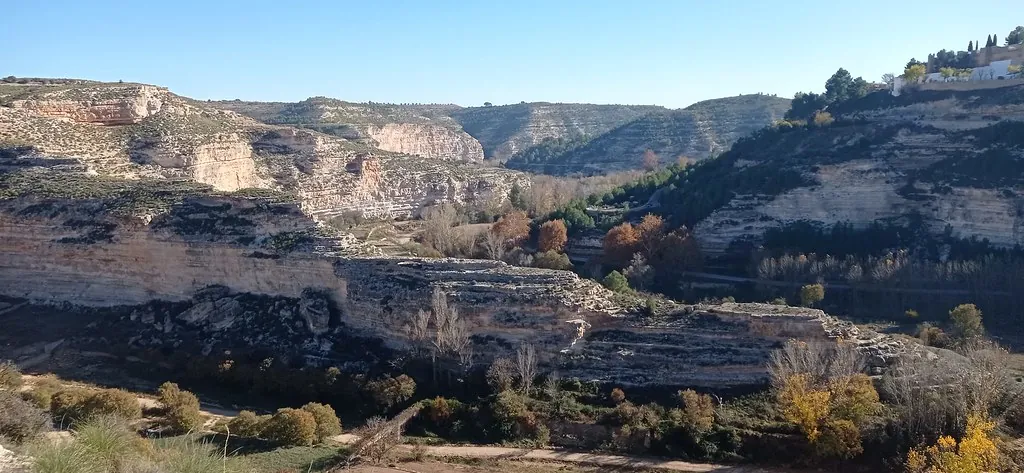
Municipality near the capital with Iberian settlement remains; transitional landscape between plain and valley
Hide article Read full article
Casas de Juan Núñez: el pueblo que no intenta ser otra cosa
Casas de Juan Núñez es como ese plato de cuchara que te ponen en casa: no tiene presentación de restaurante con estrellas, pero llena y sabe a lo que tiene que saber. A pueblo. A La Manchuela de Albacete, para ser exactos. Llegas, das un par de vueltas y ya está. No hay trampa.
La gente vive pendiente del campo, eso lo notas en los horarios, en los coches llenos de tierra junto a las casas y en ese silencio a mediodía que solo se rompe por algún tractor. El centro lo dominan la iglesia de la Asunción y una plaza ancha donde la gente aparca, hace recados y se queda hablando un rato. No busques un casco histórico fotogénico; aquí las calles son funcionales, con fachadas blancas, portones de madera para meter la maquinaria y toldos para el sol.
Cómo es el día a día (y cómo lo verás tú)
Lo primero que choca es la escala. Con unos 1400 habitantes, en media hora has visto el núcleo principal. La gracia está en los detalles que quedan cuando un pueblo no se ha rehecho para el turismo: los corrales traseros, las puertas abiertas de par en par a un patio interior, las rejas de los balcones llenas de macetas. Paseas y ves la huella de la vida agrícola en cada esquina.
Por la tarde, cuando baja el calor, la gente sale a la calle. Se sientan en las sillas de plástico delante de casa o charlan en mitad de la calzada, como si la carretera fuera aún de todos. Es el momento en que el sitio respira.
Salir andando (sin necesidad de mapa)
Si te quedas solo con el pueblo, te pierdes lo mejor. En cuanto pasas la última casa, empiezan los caminos rurales. Son pistas anchas de tierra, llanas, ideales para estirar las piernas sin complicaciones. En una mañana puedes hacer un circuito a pie o en bici y verte rodeado de campos de cereal, algún olivar y viñas.
El paisaje cambia totalmente con la estación: blanco por el almendro en flor en febrero-marzo, amarillo seco del cereal en julio, ese verde grisáceo permanente del olivo. Desde ahí fuera se entiende todo: el ritmo pausado del pueblo, los silencios, por qué se cena pronto.
Comer como se come aquí
Olvídate del gazpacho frío andaluz. Aquí «gazpacho manchego» significa un guiso caliente con carne de caza y trozos de torta cenceña. Es plato contundente, para después de trabajar. Lo mismo que las gachas o las atascaburras (un puré espeso de patata con bacalao). Son recetas que piden comer sin prisa y seguir con la sobremesa.
El vino es parte del terreno. La comarca tiene tradición vinícola desde hace siglos; se nota en las viñas que ves desde los caminos y en esas bodegas familiares que llevan generaciones. No siempre es fácil visitarlas sin contacto previo, pero el producto está en las cartas.
Si coincides con fiesta
El ambiente cambia radicalmente en agosto durante las fiestas patronales (la Virgen de la Asunción). Se llena la plaza, hay más bullicio y vuelven familias enteras. El resto del año hay romerías y celebraciones religiosas típicas del calendario rural manchego: gente juntándose para ir al campo a comer después de una misa.
Son los días en que ves una versión más social del pueblo, aunque sin perder nunca esa sensación de que todo el mundo se conoce.
Para qué sirve este pueblo (y para qué no)
No vengas buscando museos ni monumentos espectaculares. Vas a decepcionarte.
En cambio, funciona muy bien como parada tranquila dentro de una ruta por La Manchuela o como ejemplo real (sin maquillaje) de cómo se vive en estos pueblos interiores. Con una hora aparcado junto a la plaza y paseando por las calles aledañas ya lo has captado.
Si puedes quedarte más tiempo o pasar una noche tranquila –hay algunas casas rurales por la zona– entonces sí merece la pena madrugar para ver amanecer sobre los campos o dar ese paseo al atardecer por los caminos. Es cuando Casas de Juan Núñez encaja: un sitio donde lo importante pasa despacio y a cielo abierto