Full Article
about Cabañas de la Sagra
A farming and industrial town in the heart of La Sagra, known for its oil and wine production.
Ocultar artículo Leer artículo completo
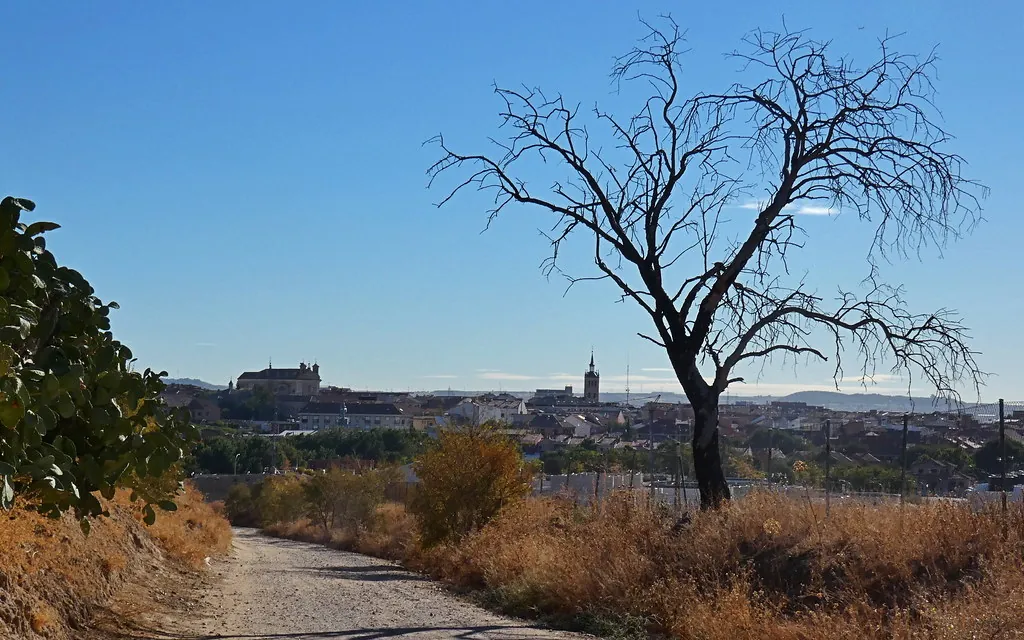
The church tower rises exactly 553 metres above sea level, a fact that matters more than it might seem. In these parts, altitude isn't scenery—it's survival. When the August sun turns the surrounding plains into a ceramic griddle, Cabañas de la Sagra's slight elevation catches whatever breeze bothers to cross La Mancha's endless cereal fields. The thermometer still hits 38°C, but at least the air moves.
This is no fairy-tale Spain. The village name translates literally to "Huts of the Sagra," referring to the rough livestock shelters that once dotted these lands. Even now, with Madrid only 45 minutes away on the A-42, Cabañas remains what it has always been: a working village where neighbours recognise car engines by sound and the supermarket cashier remembers how you like your coffee. The 2,103 residents include more commuters than farmers these days, but the rhythms remain agricultural—early starts, heavy lunches, afternoon quiet.
The Architecture of Everyday Life
Walk the main drag at 2pm in July and you'll understand why Spanish villages empty at midday. The sun doesn't just shine here—it interrogates. Traditional houses respond with thick walls, small windows, and internal patios where families once kept chickens and now grow geraniums in old olive oil tins. Look up and you'll see modern additions: satellite dishes sprouting like metallic mushrooms, air-con units dripping onto medieval stonework.
The Iglesia de Nuestra Señora de la Asunción dominates the modest skyline, its tower visible from kilometres across the flatlands. Inside, the usual gold leaf and suffering saints, but also something more interesting: a collection of rural ex-votos painted directly onto the walls. These primitive thank-you notes—farmers healed, crops saved, sons returned from war—tell more about village history than any guidebook. The church stays locked outside service times, but ring the presbytery doorbell and the priest's housekeeper will usually appear with keys and a request for a euro towards roof repairs.
What Grows Beneath the Wind
The surrounding landscape changes colour like a mood ring. April brings emerald wheat shoots that ripple like water. By July they're golden and stiff, rustling like dry paper. October turns everything ochre, and winter strips it back to bare soil the colour of milk chocolate. This isn't pretty countryside—it's functional, industrial even, feeding Spain's bread habit since the Romans arrived.
The same practicality extends to local food. Forget molecular gastronomy. At Bar El Parque on Plaza de España, migas arrive as a mountain of fried breadcrumbs studded with garlic and pork belly, enough to fuel a day ploughing fields that no longer exist. The menu changes with what's available: wild asparagus omelettes in spring, partridge stew when hunters get lucky, tomatoes that actually taste of tomato from the village huerta. A three-course lunch with wine costs €12. They'll do you toast and a coffee for €2 if you ask nicely.
Heat, Cold, and Everything Between
Climate here isn't background detail—it's the main character. Summer means planning life around the heat. Shops open at 9am, close at 2pm, reopen at 5pm when shadows stretch across streets. Evenings last until midnight; children play in plazas while grandparents gossip on benches polished by decades of use. Winter surprises visitors more. At 553 metres, nights drop below freezing from November to March. The same houses designed to stay cool become refrigerators; locals wear coats indoors and cluster around small electric heaters. Snow isn't common, but when it comes, the village shuts down completely—no one owns chains or winter tyres.
Spring and autumn provide the sweet spot, when walking the agricultural tracks becomes pleasure rather than penance. The GR-113 long-distance path skirts the village, following ancient drove roads where shepherds once moved flocks between summer and winter pastures. Signposts are sporadic but the route is simple: keep the village on your left, the horizon on your right. Six kilometres north brings you to Velada, with its better-preserved medieval centre. South lies the ugly industrial estate of Illescas, useful only for petrol and cash machines.
The Commuter's Village, The Visitor's Reality
Friday evenings transform Cabañas. Cars with Madrid number plates arrive, driven by those who left for work and returned for weekend football matches and family meals. The bar fills with accents that pronounce 'c' and 'z' like English 'th'—the linguistic marker of capital city upbringing. Sunday nights they disappear again, leaving streets quieter than during siesta.
This split personality creates the village's main tension: locals need visitors' money but resent their noise. August fiestas bring fairground rides and pop concerts that blast until 4am. The religious processions—particularly September's Cristo de la Columna—maintain genuine devotion, but even here, change creeps in. Younger residents livestream ceremonies on Facebook, creating a parallel digital procession for those who moved away.
Getting Here, Getting By
Public transport exists but barely. One bus daily connects to Toledo, departing 7am, returning 6pm. Miss it and you're hitchhiking. Driving remains essential, though parking's free everywhere. The village has one cash machine, one pharmacy, one doctor who visits Tuesdays and Thursdays. The nearest hospital's 25 minutes away in Toledo—factor this into insurance policies.
Accommodation means either the basic hostal above Bar Victoria (€35 a night, shared bathroom) or renting an entire house through the village's WhatsApp group. No hotels, no boutique anything. Book the hostal by calling—don't expect online reservations. They'll probably ask how you heard about them, genuinely curious why anyone stays overnight.
Come prepared. The supermarket stocks British baked beans but charges €2.50 a tin. Bring walking boots for the agricultural tracks, sunscreen for the ultraviolet that pierces even cloud cover, and enough Spanish to order beer without pointing. The village won't romance you. It might, however, show you what Spain looks like when tourists aren't watching—messy, contradictory, human.