Full Article
about Palomeque
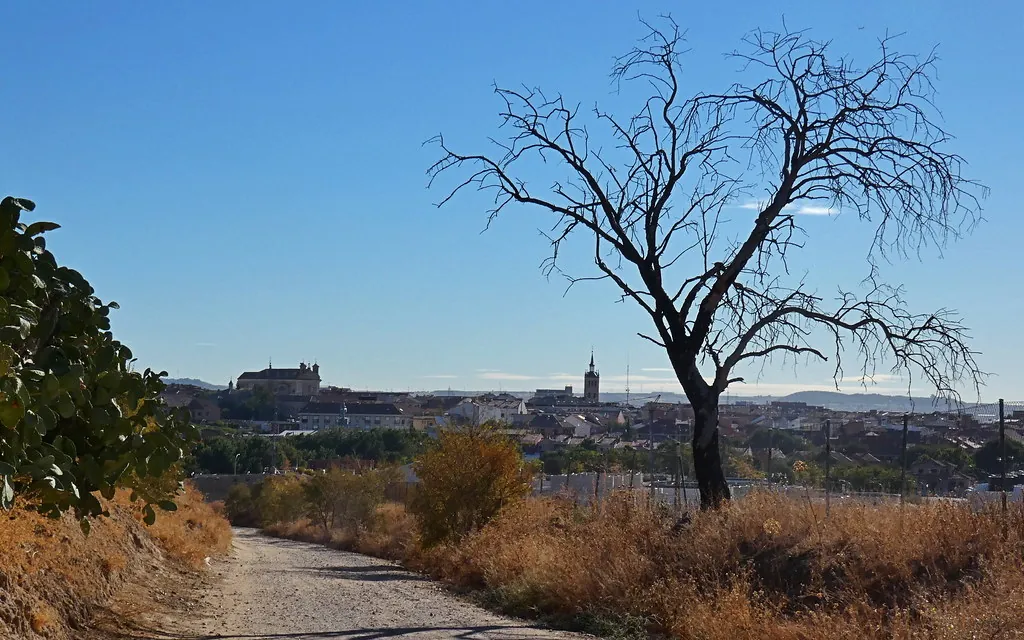
Municipality of La Sagra with residential areas; surrounded by crops and gentle ravines
Hide article Read full article
Palomeque: El pueblo que no buscabas
Hay pueblos que planeas visitar y otros que simplemente te encuentras. Palomeque es de los segundos. Es ese tipo de lugar al que llegas casi por descarte, quizá porque necesitabas salir de la autovía un rato. Tomas la salida de la A-42, sigues una carretera comarcal entre campos abiertos y, en unos minutos, estás aparcando junto a la iglesia. No hay anuncio espectacular, ni un cartel que diga "Bienvenidos al paraíso". Solo un pueblo de La Sagra donde el silencio tiene otro volumen.
La gente no viene aquí por una atracción mundial. Se aparece por curiosidad, porque está de paso hacia Toledo o porque necesita respirar algo que no sea asfalto madrileño. La cercanía con la capital lo define todo: muchos vecinos viven a caballo entre el campo y la ciudad. Palomeque tiene pinta agrícola, pero escuchas conversaciones de tráfico y reuniones de oficina en el bar. Es un sitio con un pie en cada mundo.
Cómo se mueve el día aquí
Lo primero que haces es andar. No hay otra opción, ni falta que hace. En media hora has cruzado el núcleo principal, que se organiza alrededor de la Iglesia de San Juan Bautista. Su torre es el punto de referencia; si te despistas, basta con mirar arriba para reorientarte. Las calles son rectas y sencillas: Calle Mayor, Calle Iglesia y unas pocas más.
La arquitectura es la manchega de siempre, la que ya cuesta encontrar sin alteraciones: fachadas encaladas, portones grandes de madera, rejas en las ventanas. No es un museo al aire libre; hay construcciones nuevas mezcladas, pero el conjunto mantiene una coherencia tranquila.
El mejor momento para verlo con vida es al atardecer, cuando baja el calor. Los vecinos sacan las sillas a la puerta y las conversaciones fluyen sin prisa. El ruido más fuerte suele ser un tractor a lo lejos o un coche pasando despacio. Sabes que estás en un pueblo real cuando ese es el paisaje sonoro.
Los campos son la verdadera plaza mayor
Si caminas cinco minutos en cualquier dirección, sales del pueblo y te encuentras con La Sagra pura. Terreno llano, horizonte largo y cultivos de cereal que cambian de color con las estaciones. En primavera es una alfombra verde; en verano, todo se vuelve dorado hasta donde alcanza la vista.
No esperes montañas ni bosques frondosos. El atractivo aquí es el espacio abierto y una sensación de calma bastante contundente. Los caminos agrícolas son anchos y planos, ideales para un paseo sin complicaciones o una vuelta en bici sin pretensiones. A veces se ven aves propias de tierras de labor; otras veces solo el viento moviendo los cultivos. Es simple, pero funciona.
Comer como se ha comido siempre
La comida aquí no tiene florituras. Es la cocina manchega tradicional, hecha para aguantar jornadas largas en el campo. Verás gachas, ese plato contundente a base de harina, pimentón y pan, y migas, hechas con pan frito acompañado de lo que haya. Los guisos de carne son habituales y los quesos curados de oveja están presentes en casi todas partes.
Son sabores directos, potentes y honestos. No busques presentaciones modernas ni fusión; esto es comer para reponer fuerzas, igual que se ha hecho durante generaciones.
Fiestas: lo justo y necesario
El ritmo del año lo marcan unos pocos eventos clave. Las fiestas patronales en honor a San Juan Bautista suelen ser a finales de junio. Hay procesión, música en la plaza y ambiente familiar. En verano aumenta algo la actividad porque vuelve gente del pueblo que vive fuera. La Semana Santa se vive sin grandes aspavientos; las procesiones son pequeñas y participan sobre todo los vecinos. Aquí las celebraciones tienen esa escala doméstica donde todo el mundo se conoce.
Mi opinión sincera
¿Vale la pena venir expresamente a Palomeque? Depende. Si buscas monumentos espectaculares o una agenda turística cargada, este no es tu sitio. Pero si estás haciendo ruta entre Madrid y Toledo y necesitas parar a estirar las piernas en un lugar auténtico (y no me refiero a "auténtico" como reclamo turístico), entonces sí. Es un buen alto en el camino.
La visita ideal es breve: paseas por sus calles tranquilas, ves la iglesia, te das una vuelta por los caminos entre los campos y sigues tu ruta. En una mañana o una tarde está visto. A veces esos pequeños desvíos inesperados son los que mejor saben después