Full Article
about Recas
Town with a castle and medieval tower; major farming and market-gardening community
Hide article Read full article
Recas: el pueblo que nadie busca
Recas es como ese supermercado de barrio por el que siempre pasas de largo. Vas a toda prisa por la N-401, entre Madrid y Toledo, y apenas ves una señal. Un montón de casas bajas, un rótulo, y ya estás en la siguiente recta de La Sagra. Pero una tarde, casi por descarte porque el tráfico en la A-42 era infernal, decidí salirme y parar. Y me encontré con un sitio que no esperaba.
No es bonito en el sentido postal. Es plano, ancho, con calles donde el viento se cuela al atardecer. Pero tiene algo que se nota cuando te bajas del coche: funciona por su cuenta. Nadie te está esperando con un folleto.
Un castillo que es más ruina que fortaleza
Si hay algo que llama la atención desde lejos es el perfil del Castillo de Canales. Suena bien, ¿verdad? La realidad es más modesta: lo que queda son unos muros de mampostería bastante venidos a menos. No hay taquilla, ni panel informativo pulido, ni rutas señalizadas.
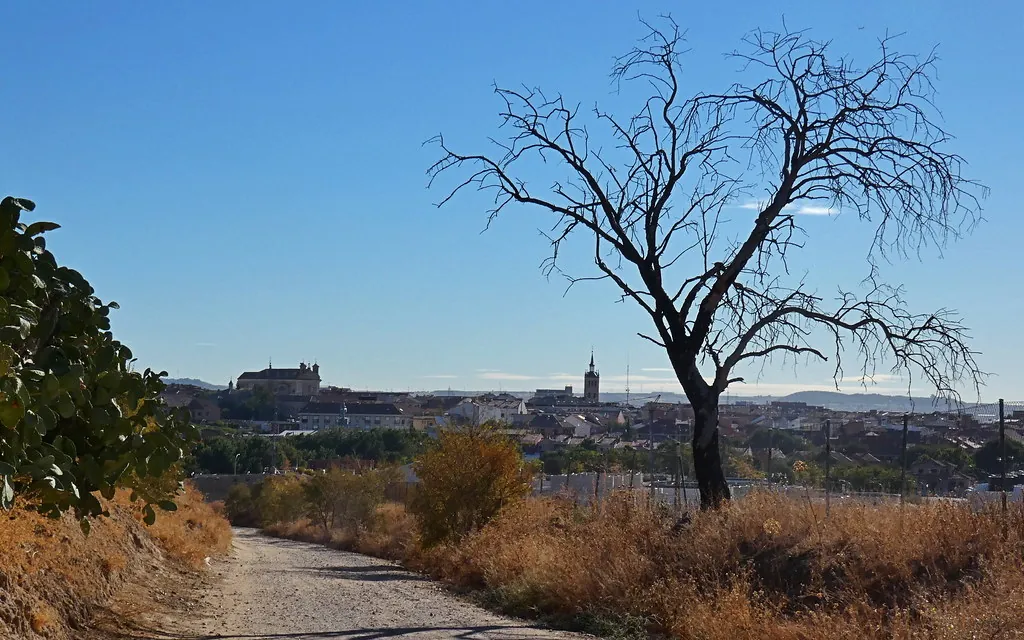
Se sube en cinco minutos por un camino de tierra. Desde arriba, la vista lo explica todo: Recas abajo, como un modelo a escala, y alrededor kilómetros y kilómetros de llanura toledana. Cereal, algo de viña y el horizonte completamente plano. La gracia está justo ahí, en entender lo expuesto que estaba este puesto hace siglos y lo inmenso que se siente este paisaje ahora.
La mezcla que no buscas (pero que está ahí)
Lo primero que oyes al llegar a la plaza mayor un sábado por la mañana no es solo castellano. Hay acentos del África occidental, conversaciones en árabe y el español rápido de los chavales nacidos aquí. Para un pueblo de unos cinco mil habitantes, el contraste es palpable.
Gente llegada desde Malí, Senegal o Marruecos lleva años integrada en la vida diaria: en las huertas, en las naves logísticas de los polígonos cercanos o atendiendo pequeños comercios. No es un “atractivo turístico”, es su normalidad. Ves a un grupo de ancianos charlando en un banco junto a otro de jóvenes jugando al fútbol en cualquier descampado. La convivencia no se anuncia; simplemente ocurre.
Cordero sí o sí
En esta parte de Toledo preguntas por dónde comer y la respuesta siempre incluye cordero asado. Aquí se hace como toda la vida: en horno de leña, con poco más que sal y su tiempo.
No esperes emplatados vanguardistas. Es comida contundente, de la que pide pan para mojar y vino de la tierra para bajar. Los domingos se llenan los comedores de familias enteras alrededor de una fuente grande. El olor a encina y tomillo lo impregna todo.
Cómo moverse sin perder el tiempo
Olvídate del checklist monumental. La forma sensata de ver Recas es caminar sin prisa.
Deja el coche cerca del Pósito (el antiguo granero) y pasea por las calles anchas hacia las afueras. Verás casas con corrales traseros donde aún guardan leña o tienen gallinas.
Si te soran piernas, dirígete hacia las afueras por cualquiera de los caminos rurales. En diez minutos estás rodeado de campo abierto, con el Guadarrama discurriendo a lo lejos. Es ese tipo de paseo que sirve para despejarse más que para “ver algo”.
Luego vuelve a la plaza mayor y siéntate en una terraza. Pide una caña o un café y observa cómo funciona el pueblo sin ti: los saludos entre vecinos, los recados hechos a pie, los niños correteando entre las mesas.
Recas no te va a dejar boquiabierto ni llenarás la galería del móvil con fotos espectaculares. Te llevará otra cosa: la sensación rara hoy en día de haber estado en un sitio real, donde la vida sigue aunque tú no pares a mirar. Y eso ya es bastante