Full Article
about Yeles
Industrial and residential town; rapid growth due to its proximity to Madrid
Hide article Read full article
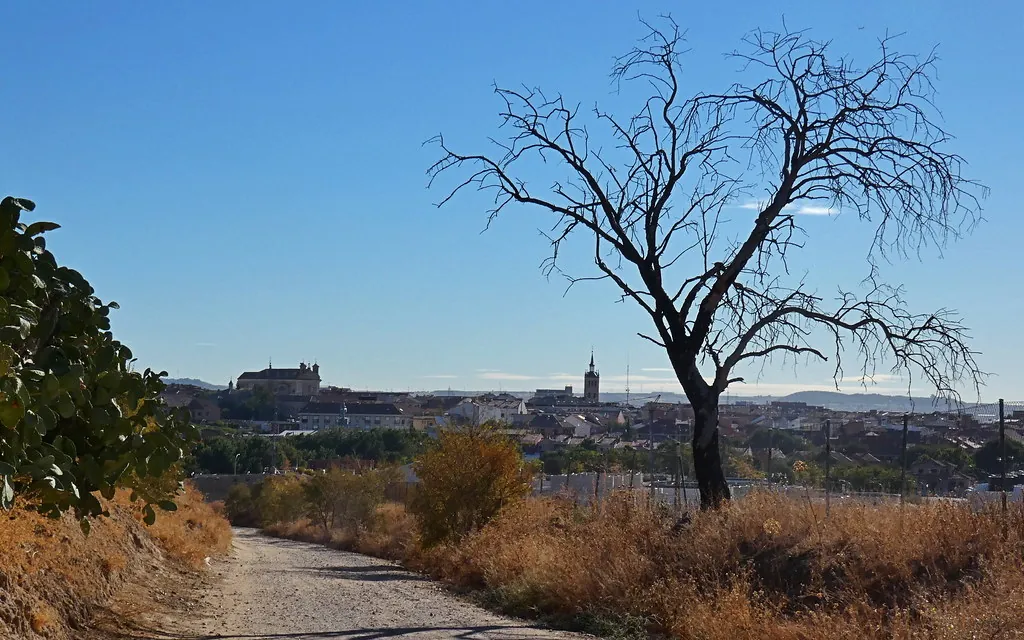
Hay un momento en la AP-41, pasado Illescas, en el que el paisaje se abre de golpe. Dejas atrás las últimas naves y te encuentras con una llanura de barbechos, trigales y alguna que otra nave solitaria. El GPS dice que gires, y al poco entras en Yeles. No hay cartel espectacular ni un skyline reconocible. Es como llegar a casa de un primo al que no ves hace años: sabes que ha cambiado, pero aún reconoces la esencia.
El turismo aquí no es una lista de monumentos. Es más bien entender cómo vive un pueblo que ha multiplicado su tamaño en treinta años sin perder del todo el pulso del campo.
Un pueblo que creció a toda pastilla
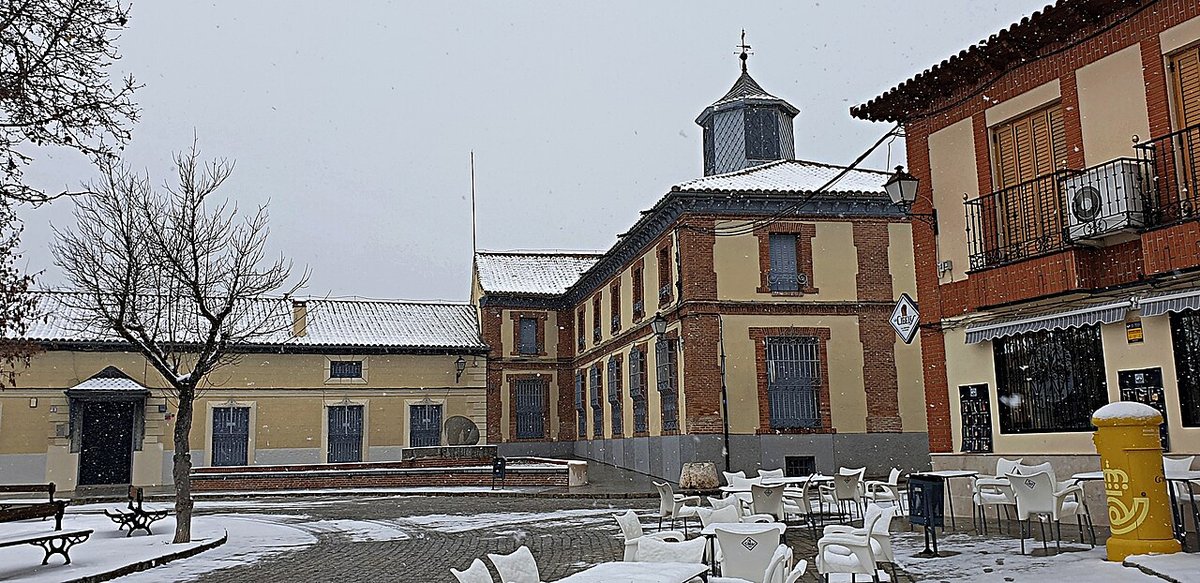
La cifra sorprende: unos 6.500 habitantes. Para ponerlo en contexto, en los noventa apenas superaba el millar. Se nota al caminar. Hay calles nuevas con chalets que parecen recién estrenados, pegadas a un casco antiguo más modesto, de fachadas encaladas y ladrillo visto. Conviven quienes llevan toda la vida aquí con quienes llegaron desde Madrid buscando un sitio más tranquilo para criar. La sensación es la de un bar donde hay tertulia fija y también caras nuevas.
Esa mezcla le da vida durante toda la semana. No es ese tipo de pueblo que se queda vacío hasta el fin de semana. Hay movimiento: coches haciendo recados, gente en los colmados, padres esperando a la salida del colegio.
La torre que todo lo ve
El punto de referencia, desde cualquier calle o camino, es la torre de la iglesia de La Asunción. Su base es medieval, maciza, como si hubiera echado raíces allí. El resto del edificio se fue sumando con los siglos, como pasa en media Castilla.
Si está abierta –no siempre lo está– merece la pena echar un vistazo dentro. No esperes una catedral; es una iglesia de pueblo grande, con ese olor a cera y silencio que han vivido generaciones enteras. Lo bueno viene si tienes la suerte de poder subir a la torre (pregunta en el ayuntamiento; a veces organizan visitas). Desde arriba se entiende todo: ves cómo las manzanas nuevas se derraman hacia los campos sin solución de continuidad. La llanura de La Sagra se extiende hasta donde alcanza la vista, un mosaico beige y verde según la época del año.
Aquí el cordero no es una anécdota
Hablar de Yeles sin mencionar el cordero asado sería como ir a la playa y no mojarte los pies. En esta parte de Toledo, el horno de leña y la cazuela de barro son casi herramientas de socialización doméstica.
No voy a decirte dónde comerlo mejor –esa es una guerra que no quiero empezar– pero te doy una pista infalible: mira dónde se acumulan los coches con matrícula local un domingo sobre la una y media. Si ves grupos saliendo con ese andar lento y satisfecho de quien acaba de comer bien y abundante, estás en el sitio correcto.
No es gastronomía-espectáculo; es tradición práctica. Se come en familia o con amigos, sin prisas, compartiendo mesa más que Instagram.
La sombra (larga) de Madrid
Estás a unos 50 minutos del centro de Madrid si el tráfico acompaña. Esa cercanía lo explica casi todo: el crecimiento urbanístico, los nuevos vecinos, ese aire híbrido entre lo rural y lo dormitorio.
Pero Yeles no ha cortado su raíz agraria. Da igual por qué calle salgas; en cinco minutos estás pisando tierra de labor. Verás tractores aparcados junto a urbanizaciones y campos cultivados hasta el mismo borde del asfalto. Esa dualidad define su carácter actual: un pueblo funcional donde aún se habla del tiempo y de la cosecha en los bares.
¿Merece una parada?
Depende totalmente de lo que busques. Si tu plan es hacer fotos a calles empedradas centenarias o visitar museos temáticos, probablemente te quedes corto. Pero si vas camino de Toledo o simplemente quieres ver cómo late un pueblo real de La Sagra –no uno decorado para turistas–, puede ser una pausa interesante.
Mi recomendación sería esta: ven sin expectativas grandilocuentes. Pasea por el casco antiguo hasta la iglesia. Come donde coman los del lugar. Y luego date una vuelta por los caminos que salen del pueblo hacia los campos. A veces entender un sitio es tan sencillo como ver cómo termina su última calle.
Al irte, fíjate si hay algún puesto junto a la carretera con cartel de “huevos camperos” o “verduras”. Parar y comprar algo es la forma más directa –y honesta–de llevarte un trozo del lugar contigo