Full Article
about Ontígola
Near Aranjuez; known for its ruined castle and the natural setting of the Mar de Ontígola.
Hide article Read full article
First impressions on arrival
If you are heading to Ontígola, the practical side comes first. Parking is rarely an issue. You leave the A‑4 motorway and within a few minutes you are in the centre. There is no heavy traffic, no complicated one‑way system. Leave the car near the main square or on any wide street and that is that.
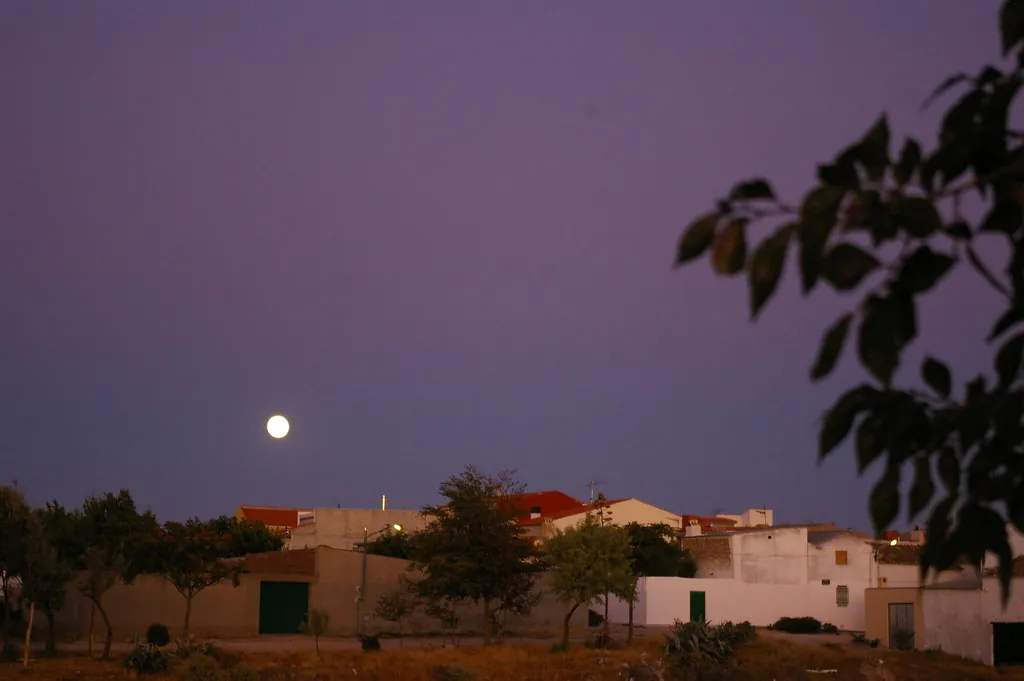
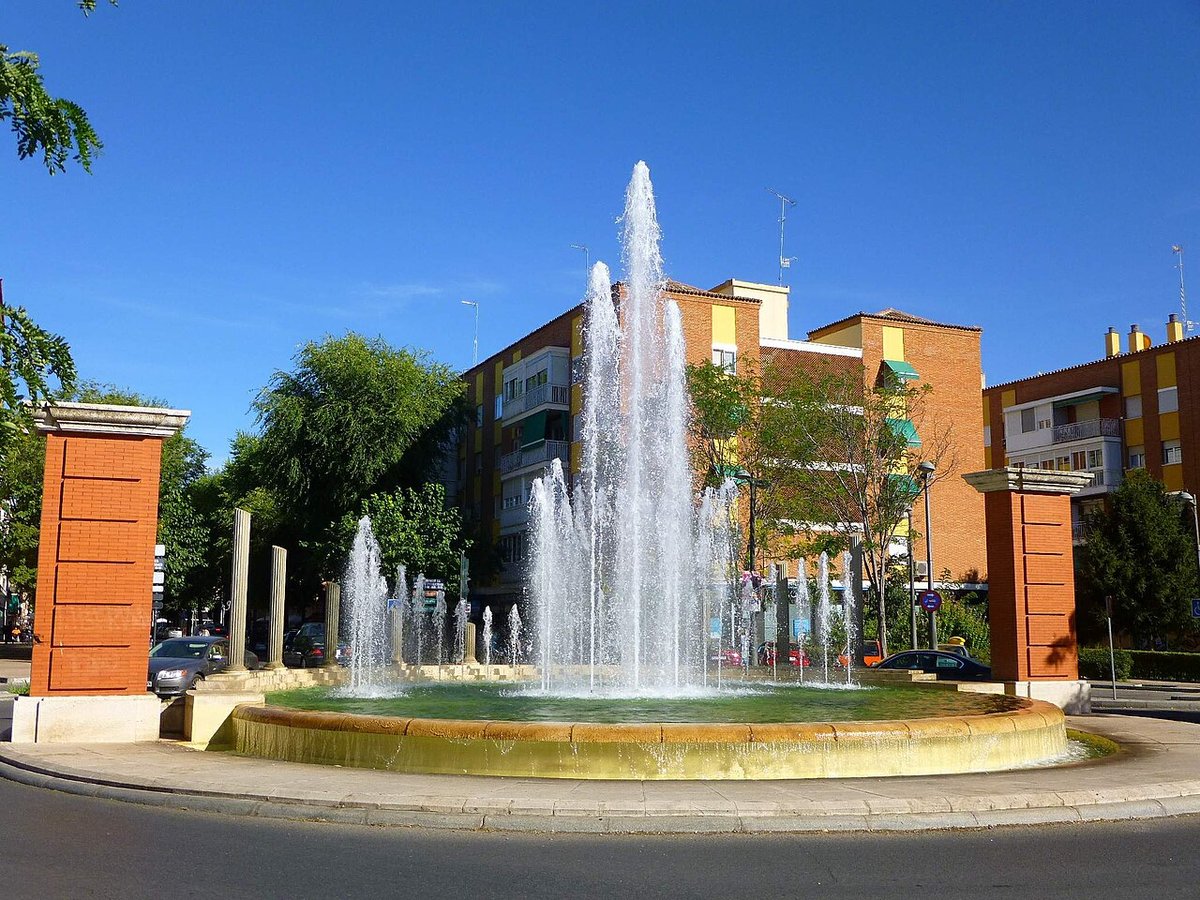
Ontígola has just over five thousand residents, although from the road it looks smaller. You pass the first set of traffic lights and almost immediately you are at the other end of town. There is no grand historic quarter, no network of streets arranged with visitors in mind. This is an everyday Spanish town: low‑rise blocks, brick houses, a pharmacy, a bakery and bars where someone is usually watching football.
It stretches across the flat land of the vega del Tajo, the fertile plain shaped by the River Tagus. The layout is not especially clear. Straight streets, newer housing estates mixed with older homes, nothing that demands attention at first glance.
The caves on the hill
The most unusual feature lies behind the town, on a low hill. There you find several caves cut directly into the rock, used as homes for many years. Some are still inhabited today.
These are not show caves prepared for visitors. There are no information boards and no guided tours. They are houses, with doors, electricity and television aerials on the roof. From the street you might not immediately recognise what you are looking at.
If you are curious to see one, the simplest approach is to ask local residents. The caves are scattered and not always easy to spot. There is no formal route or signposted trail linking them. They form part of daily life rather than a preserved attraction.
The Mar de Ontígola
Around two kilometres from the town centre lies the Mar de Ontígola. The name sounds grand, but it is in fact a large rectangular reservoir.
It was built in the 16th century to supply water to the gardens of Aranjuez, the nearby royal site associated with the Spanish crown. The project is often attributed to the same engineers who were working for the monarchy in this area at the time. The link with Aranjuez helps explain why such a substantial structure was created here.
Today the Mar de Ontígola functions as a small wetland and a quiet place for a walk. There are no water sports and no beach bars. What you are likely to see are anglers sitting patiently by the water, people strolling along the paths and water birds if you take the time to look.
The setting is simple. Open land, wide skies and the still surface of the reservoir. It works best as a short pause rather than a destination that fills a day.
The ruins of Castillo de Oreja
Not far away stand the ruins of the castillo de Oreja, on a hill overlooking the valley of the Tagus. Its position makes the purpose clear. From here the river crossing and the surrounding plain could be monitored.
Access is via a dirt track, with the final stretch completed on foot. The castle has not been restored. What remains are fallen walls, fragments of towers and plenty of grass. Even so, the outline of the fortification can still be understood.
The walk up from where people usually leave the car does not take long. Once at the top there is very little shade. In summer the heat is intense in this part of Castilla La Mancha, so going early in the day or carrying water is sensible.
The appeal here is the view and the sense of position rather than architectural detail. You are looking out over the vega del Tajo, with the river cutting through the landscape below.
When to go and what to expect
Spring and autumn are easier seasons for a visit. The plain is greener and the temperatures are more manageable. In summer the heat can be high, especially at midday.
Ontígola itself offers basic services: small shops, a pharmacy, a few bars and little more. If you are looking for accommodation or a livelier atmosphere, Aranjuez is only a short drive away.
This is not a town built around tourism. There are no large visitor centres or carefully curated routes. Life carries on at its usual pace. That has its own clarity. You arrive, see what there is to see and move on without fuss.
Is it worth stopping?
That depends on what you are after. Ontígola is not a weekend destination in its own right.
It makes more sense as a brief stop if you are already exploring the area around Aranjuez, or if you are interested in the Mar de Ontígola and a walk up to the castillo de Oreja. In a little over an hour you can get a fair idea of the place.
A simple plan works well: come by car, take a short walk around the reservoir and, if you feel inclined, head up the hill to the castle ruins. Afterwards you return to the motorway and continue your journey.
Ontígola does not try to keep you longer than necessary. It offers a reservoir with royal origins, caves still used as homes and a ruined castle above the Tagus. Whether that is enough for a stop is entirely up to you.