Vista aérea de Villasequilla
Instituto Geográfico Nacional · CC-BY 4.0 scne.es
Castilla-La Mancha · Land of Don Quixote

Villasequilla

Stand on the CM-410 at dawn and the view from Villasequilla feels almost nautical: an ocean of pale earth instead of water, the furrows behaving li...

2,673 inhabitants · INE 2025
525m Altitude

Why Visit

Church of Santa María Magdalena Walks along the vega

Best Time to Visit

spring

San Isidro Festival (May) mayo

Things to See & Do
in Villasequilla

Heritage

  • Church of Santa María Magdalena

Activities

  • Walks along the vega
  • Cycling

Festivals
& & Traditions

Fecha mayo

Fiestas de San Isidro (mayo)

Las fiestas locales son el momento perfecto para vivir la autenticidad de Villasequilla.

Full Article
about Villasequilla

Farming village on the Tajo floodplain; railway station and irrigated crops

Ocultar artículo Leer artículo completo

The Horizon That Doesn’t Blink

Stand on the CM-410 at dawn and the view from Villasequilla feels almost nautical: an ocean of pale earth instead of water, the furrows behaving like tide lines that change colour with the hour. At 525 m above sea level the air is thin enough to sharpen every sound—tractor engines carry two fields away, and the church bell, striking the hour, seems to ricochet off the sky itself. This is the Mesa de Ocaña, a slab of Castilian plateau where the only thing taller than a wheat stalk is the grain silo, and the only traffic jam is two vans outside the bakery when the migas are still warm.

A Grid Drawn by Ploughs, Not Planners

Villasequilla’s 2 556 inhabitants live on a tidy rectangle of streets laid out after the 1950s land-reform, so don’t expect medieval alleyways or horseshoe arches. The houses are rendered in chalk-white plaster that turns parchment-coloured by August, and the roofs are of dark grey slate shipped in from León—practical, unphotogenic, built to survive the 60 km/h wind that can rake across the plateau in February. Park by the small plaza and everything you need is within 300 m: the parish church of Nuestra Señora de la Asunción (door usually open, no admission fee, mind the step down into the nave), the CaixaBank ATM that sometimes sulks on Sundays, and two bars competing on the thickness of their tortilla.

Inside the church you’ll find a single-aisled nave whose roof beams still smell of pine resin, and a 17th-century altarpiece whose paint has faded to the colour of dried rosemary. No audioguides, no gift shop—just a handwritten sign asking visitors not to ring the bell rope “because it startles the swallows”.

What the Fields Taste Like

Order a drink in Bar La Plaza and the counter arrives free with a saucer of local queso semicurado: firm enough to chip at the edges, buttery rather than fiery, nothing like the aggressive Manchego sold in UK supermarkets. The owner, Jesús, will tell you that the cheese comes from a dairy in Quero, 25 minutes down the CM-412, and that the sheep graze on stubble left after the barley harvest—grain and milk in one circular bite.

Daily menus run to €11–13 and follow the agricultural calendar. In April you get pisto manchego topped with a fried egg the size of a saucer; October brings caldereta de cordero thick enough to stand a spoon in. Vegetarians survive on migas—fried breadcrumbs with garlic and grapes—unless they phone a day ahead, in which case Conchi at Bar El Mesón will rummage up a pimentón-rich vegetable stew she insists “isn’t traditional, but it works”. Wine is drawn from a five-litre plastic barrel behind the bar and tastes like chilled cranberry with a pinch of iron; it’s from the cooperative at Bargas and costs €1.40 a glass. No-one flinches if you ask for tap water instead.

Pedal or Perish

Flat does not equal dull. A web of unclassified farm tracks fans out from the village, signed only by the occasional “V” for “vía pecuaria” (old drovers’ road). Hire bikes through the council office (€15 a day; ring 925 56 XX XX the afternoon before) and you can freewheel 12 km north-east to the abandoned hamlet of Oreja, where a 14th-century mud-brick watchtower surveys the Tagus river bend. Take water—there’s no kiosk, no fountain, and the only shade is a poplar every kilometre or so. Spring brings hoopoes and cloud-shadow races across the barley; in September the stubble smells of toast and the sky is so clear you can pick out the Sierra de Guadarrama 90 km away.

If you’d rather walk, the 7 km circular “Ruta de la Solana” starts at the football pitch and follows stone walls smothered in morning-glory before cutting through a pistachio plantation, one of the new drought-proof crops edging out wheat. Allow two hours, plus another twenty minutes if you stop to photograph the vintage threshing machine rusting quietly in a field.

When the Village Turns the Volume Up

Villasequilla saves its energy for 15 August. The fiestas patronales begin with a rocket at noon and don’t wind down until the brass band collapses sometime after 3 a.m. There’s a modest funfair, a street paella that feeds 800 people from a single pan three metres wide, and a running-of-the-heifers that’s more village joke than Pamplona panic—barriers are two hay bales high and children sprint alongside waving red supermarket bags. Visitors are welcome to join the pea-shooting battle that erupts on the final afternoon; goggles optional, bruises guaranteed.

Semana Santa is quieter but equally telling. On Good Friday the parishioners enact the Passion with home-made Roman helmets fashioned from gold-painted plastic packaging. The procession starts at 21:00 sharp; if you’re even five minutes late you’ll be stranded outside the church door because the narrow pavement can’t accommodate stragglers.

Getting There, Staying There, Leaving Again

The village has no hotel, only three rooms above Bar La Plaza (€35 double, shared bath, Wi-Fi that flickers when the microwave’s on). Most visitors base themselves in Toledo, 35 minutes west on the A-42, and drive over for the day. A hire car is non-negotiable: the single daily bus from Toledo departs at 14:00 and returns at 06:30 next morning, an timetable apparently designed by someone who mistrusts tourism. Petrol stations are scarce—fill up at the Repsol on the Toledo ring road before you set out.

Weather is a binary affair. May and October deliver 22 °C afternoons and cool cellar-scented dawns; July and August rocket past 38 °C by 11 a.m., and the wind feels like someone aiming a hairdryer at your ankles. Winter is bright, sharp and often below freezing at night—bring a fleece for the church, which is heated for one hour before Mass and no longer.

The Exit Road

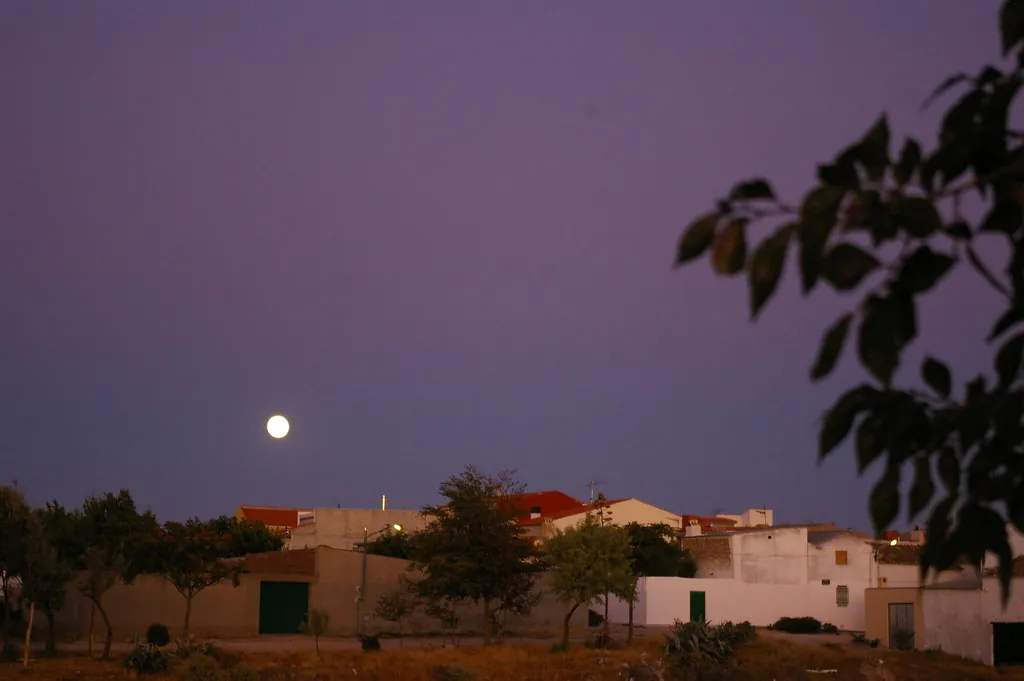
Leave at sunset and the plain turns cinematic: wheat stubble glowing like burning wire, the silhouettes of grain silos standing in for ocean tankers. There’s nothing to buy, no key-ring to prove you came, only the after-taste of cheese and the faint smell of diesel that says the tractors are already preparing next year’s crop. Villasequilla doesn’t ask you to fall in love; it asks you to notice how slowly the earth moves when no-one is watching. That, and to shut the gate on your way out—the sheep are coming in from the stubble fields, and the village clock is still set to field time, not to yours.

Key Facts

Region
Castilla-La Mancha
District
Mesa de Ocaña
INE Code
45197
Coast
No
Mountain
No
Season
spring

Livability & Services

Key data for living or remote work

2024
ConnectivityFiber + 5G
TransportTrain station
HealthcareHospital 23 km away
Housing~6€/m² rent · Affordable
Sources: INE, CNMC, Ministry of Health, AEMET

Planning Your Visit?

Discover more villages in the Mesa de Ocaña.

View full region →

More villages in Mesa de Ocaña

Traveler Reviews