Full Article
about Chueca
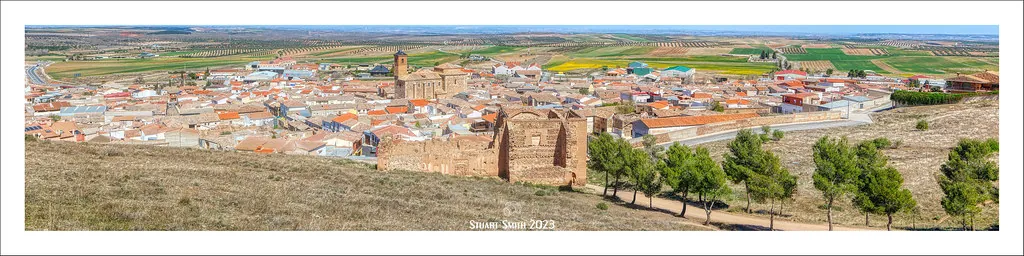
Small farming village near Toledo; known for its quiet and simplicity.
Hide article Read full article
Chueca: El pueblo que no te espera
Chueca es como ese amigo tuyo que nunca propone planes, pero cuando caes por su casa siempre acabas charlando más de la cuenta. No tiene un cartel de “pueblo con encanto”, ni una lista de monumentos para ver. Tiene 250 vecinos, calles que se acaban en dos minutos y un silencio que, si vienes de la ciudad, al principio te resulta casi físico.
Está a tres cuartos de hora de Toledo, metido en los Montes de Toledo. Llegas y piensas: “¿Y ya está?”. Pues sí, ya está. Y esa es justamente la gracia.
Un paisaje que se lleva todo el protagonista
Olvídate del casco histórico espectacular. Aquí lo que manda es lo de fuera. El pueblo está a 700 metros y lo rodea ese monte mediterráneo típico: encinas, alcornoques y mucho matorral. Los caminos no siempre están señalizados; muchos son veredas de pastores o rodadas de tractor que se han quedado fijas. Es el tipo de sitio donde, si no vas atento, te pierdes el sendero y acabas caminando por donde parece que pasó una cabra el año pasado.
Pero si levantas la vista, la cosa cambia. Esta zona es ZEPA, y se nota. Buitres leonados dando vueltas en círculos son el pan nuestro de cada día. Con suerte (y con paciencia), puedes llegar a ver águila imperial. No hace falta ser un experto ornitólogo con equipo carísimo; con unos prismáticos normales ya tienes teatro suficiente arriba.
Las calles: donde se entiende cómo se vive aquí
Pasear por Chueca es entender la lógica manchega: casas bajas, paredes blancas y gruesas para aguantar el calor del verano y el frío serrano del invierno. Todo es práctico. Hasta las eras antiguas que ves en algunos rincones ahora sirven para guardar leña o herramientas.
La iglesia de Santa María Magdalena está ahí, sobria como ella sola. Las calles se llaman San Pedro o La Fuente, nombres que hablan de lo que había o de dónde estaba el agua. No hay que buscar fachadas impresionantes; el paseo sirve para pillar el ritmo lento y agrícola del lugar.
Ir a Chueca es ir a andar (y poco más)
El plan aquí siempre es el mismo: aparcar en la plaza, calzarse unas zapatillas con buena suela y liarse a caminar hacia cualquiera de los cerros.
Algunos caminos suben hacia La Pedriza; otros se meten entre jaras y rocas. No son rutas de alta montaña ni nada épico. Son pateos largos, tranquilos, donde lo interesante son los detalles: el cambio de luz sobre el monte bajo, el sonido de un pájaro que no reconoces, el olor a tomillo después de una lluvia ligera.
En otoño, después de las primeras lluvias, aparece la gente del cestito. Setas níscalos (que algunos llaman serbales), sí. Pero ojo: si no sabes del tema, mejor ve con alguien que entienda o limítate a mirarlas sin tocarlas. El campo no perdona los despistes.
Cuando el pueblo se despierta
En agosto llegan las fiestas patronales y vuelven los que se fueron a vivir fuera. Es cuando más vida hay: música en la calle, comidas comunitarias… La procesión es cosa pequeña e íntima; va la imagen por la calle principal y la gente charlando alrededor.
Y luego está ese plan inmejorable del otoño: salir al monte por la mañana y terminar el día con amigos alrededor de una chimenea, contando lo encontrado (o lo no encontrado).
Cómo llegar (y por qué hacerlo)
Desde Toledo coges la CM-4000 dirección Montes de Toledo hasta ver el desvío. En menos de una hora estás allí.
Chueca no te va a sorprender con una catedral oculta ni con un mirador viral. Es otra cosa: un sitio donde te das cuenta de lo alto que es el cielo cuando no hay edificios que lo corten, donde los únicos ruidos fuertes son los graznidos de los pájaros y donde un paseo sin más pretensión puede acabar siendo lo mejor del día.
Vale la pena si buscas eso exactamente. Si vienes buscando algo más… igual te quedas corto