Full Article
about Castilnuevo
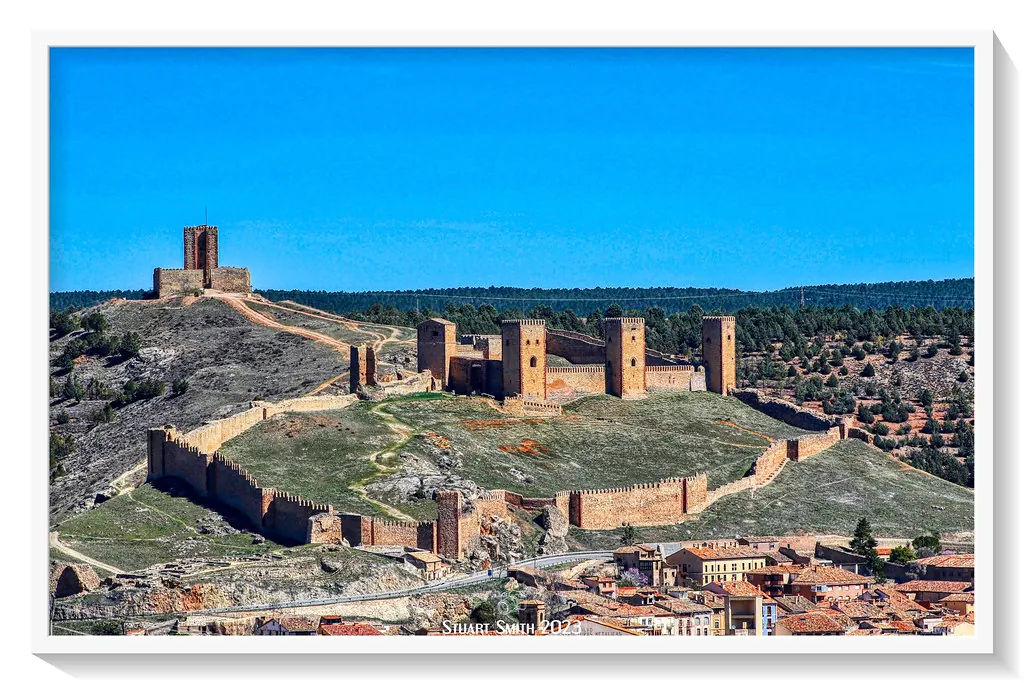
Tiny village on the Gallo River; noted for its private residential castle.
Hide article Read full article
Castilnuevo: un puesto de vigilancia en el Señorío
En los archivos del antiguo Señorío de Molina, Castilnuevo figura como uno de los asentamientos que vigilaban el límite oriental del territorio. Su historia es la de un paisaje fronterizo durante siglos, primero entre los reinos cristianos y Al-Ándalus, luego como parte de las tierras repobladas bajo la autoridad de Molina de Aragón. El nombre no deja lugar a dudas: aquí hubo un castillo o torre de control, hoy desaparecido o muy transformado, para supervisar las rutas naturales hacia el valle del Tajo.
Altitud y despoblación
El pueblo se sitúa por encima de los mil metros, en una de las zonas con menor densidad de población de Castilla-La Mancha. Los ocho vecinos actuales son el resultado de un proceso común en el Señorío a lo largo del siglo XX. La ganadería extensiva y la agricultura de secano, base de la economía tradicional, dejaron de sostener a las familias. El vacío forma parte del lugar; las distancias se perciben largas y el ritmo lo marca más la comarca que el núcleo urbano.
Las vías de la trashumancia
Los accesos a Castilnuevo siguen en parte las viejas rutas de pastores y arrieros. La red de cañadas y cordeles fue esencial en esta región. Por estos corredores se movían los rebaños trashumantes, buscando zonas más templadas en invierno. El paisaje conserva esa huella: cerros abiertos, barrancos secos y pasillos naturales entre sierras bajas. Es un terreno modelado por el movimiento estacional del ganado.
En la puerta del Alto Tajo
La proximidad al Parque Natural del Alto Tajo define el carácter del lugar. Los cortados calizos y hoces del término municipal son producto de una erosión lenta por parte del río y sus afluentes. El agua ha ido tallando paredes verticales que caen sobre los cauces. Sobrevolando estas formaciones es habitual ver buitres leonados, y con menos frecuencia, otras rapaces propias de este terreno. Aquí, lo natural tiene más peso que lo construido.
Trazado urbano: lo justo
El casco urbano es mínimo. Un puñado de casas de mampostería, con muros gruesos y vanos pequeños, componen el pueblo. Es la arquitectura habitual en esta parte del Señorío, pensada para soportar inviernos rigurosos y veranos secos. Las calles son cortas y algo irregulares, adaptadas a la pendiente del terreno. Todo es compacto, dictado por la necesidad y no por la expansión.
La iglesia parroquial
La iglesia parroquial apunta a un pasado más activo. Los registros parroquiales de la zona suelen mostrar picos de población entre los siglos XVII y XIX, cuando estas aldeas mantenían una economía rural estable. El edificio es sencillo, sin grandes ambiciones artísticas, pero cumplía una función clave como lugar de reunión para los vecinos. En comunidades tan pequeñas, estos edificios tenían un valor tanto religioso como social.
Caminar por la hoz
El entorno supera al pueblo en interés y escala. Desde los senderos que salen de Castilnuevo se llega con relativa facilidad al sistema de hoces del Alto Tajo. Los cortados calizos se levantan sobre los fondos de los valles, creando un contraste brusco entre altura y profundidad.
En las laderas crecen enebros, sabinas y matorral aromático, vegetación adaptada a suelos pobres y veranos largos. Su presencia refuerza la sensación de un paisaje tallado por la resistencia, no por la abundancia.
Recorrer estos caminos solo pide tiempo y atención al terreno. En algunos puntos, las vistas se abren hacia valles que han cambiado muy poco. La observación de aves acaba siendo parte del paseo, se busque o no. Al caer la noche, la casi ausencia de luz artificial deja un cielo notablemente despejado.
Cómo llegar y qué encontrar
Castilnuevo carece de servicios turísticos y de comercios. La vida diaria depende de los pueblos mayores de la zona. Molina de Aragón sirve como referencia principal para aprovisionamiento, alojamiento y necesidades básicas.
Llegar al pueblo implica recorrer un último tramo por carreteras secundarias y pistas locales. Conviene hacerlo sin prisa. En esta parte del Señorío, las distancias se miden menos por kilómetros que por el tiempo y el estado de la calzada.
El paisaje, austero y abierto, ayuda a entender por qué lugares como Castilnuevo se han mantenido al margen de las rutas principales. Esa misma lejanía es también la razón por la que han cambiado tan poco.