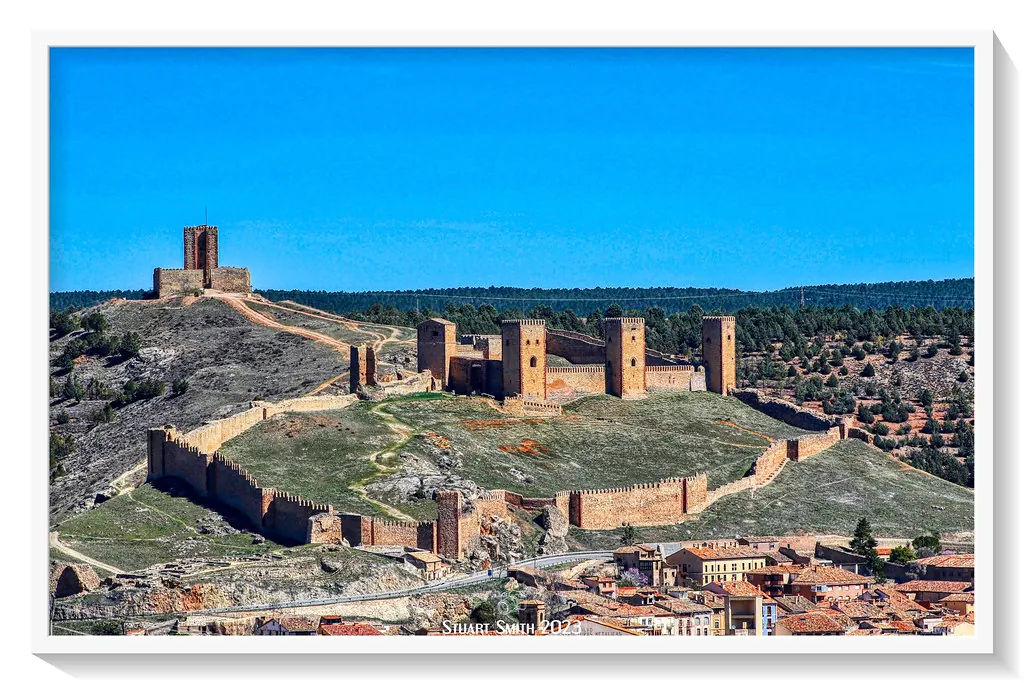
Checa - Flickr
Jorge Franganillo · Flickr 4
Castilla-La Mancha · Land of Don Quixote

Checa

The morning mist clings to Checa at 1,369 metres, thick enough to taste. At this altitude, silence isn't merely the absence of noise—it's a physica...

268 inhabitants · INE 2025
1369m Altitude

Why Visit

Mountain San Juan Church Geological route

Best Time to Visit

summer

San Bartolomé Festival (August) Agosto

Things to See & Do
in Checa

Heritage

  • San Juan Church
  • Livestock Museum
  • Aguaspeña

Activities

  • Geological route
  • Hiking in the Alto Tajo

Full Article
about Checa

Key Alto Tajo municipality; mountain architecture and unique geology.

Ocultar artículo Leer artículo completo

The morning mist clings to Checa at 1,369 metres, thick enough to taste. At this altitude, silence isn't merely the absence of noise—it's a physical presence that settles over the stone roofs like fresh snow. Only 285 souls remain in this Guadalajara mountain village, their footsteps echoing through lanes where traditional stone and timber houses have withstood centuries of harsh winters and harsher summers.

The Weight of Altitude

Checa sits high enough that mobile reception becomes theoretical rather than guaranteed. The village forms part of the Señorio de Molina, a historical territory that once enjoyed its own fueros—special legal privileges granted to frontier settlements. These mountains served as a buffer zone between Christian and Moorish kingdoms, leaving behind a landscape where every ridge tells stories of border disputes and stubborn survival.

The altitude shapes everything here. Winters arrive early and depart late, transforming the surrounding Scots pine forests into a study of grey and green. Summer nights drop to 12°C even in August, making Checa a refuge from the scorching Meseta below. Spring brings sudden snowfalls that can blanket the village in May, while autumn paints the pine forests in ochres and golds that would make a Cotswold village jealous—if anyone here cared for such comparisons.

The traditional architecture responds to these extremes. Houses cluster together for mutual protection, their stone walls two feet thick, timber balconies facing south to capture precious winter sun. Roof pitches are steep enough to shed snow, gutters designed to handle sudden thunderstorms that turn mountain tracks into rivers within minutes.

Forests Older Than Memory

The Gallo River has carved a gorge system that rivals anything in Derbyshire for drama, though you'll share the view primarily with griffon vultures and the occasional wild boar. These hoces—river canyons—drop 200 metres through limestone cliffs, creating microclimates where holm oak and riverside forest survive in the otherwise austere landscape.

Walking tracks radiate from Checa like spokes, following ancient drove roads that once moved sheep between summer and winter pastures. The PR-GU 42 circular route leads five kilometres through pine forest to a viewpoint over the Gallo gorge—manageable in walking boots, though the limestone can be slippery when wet. More ambitious hikers can attempt the GR 86 long-distance path, which passes through the village on its 300-kilometre traverse of the Iberian System.

Mushroom hunters arrive in autumn with the focused intensity of pilgrims. The níscalo (saffron milk cap) appears first, followed by boletus edulis in the damper valleys. Local regulations require a permit from Guadalajara's environmental office—€13.50 for the season—and prohibit collection in nature reserves. The village bar displays photos of spectacular finds, though conversation stops if you ask for specific locations.

A Church That Knows Its Place

The Iglesia de San Bartolomé dominates the village centre without ostentation. Built from local limestone between the 16th and 18th centuries, its sturdy tower served double duty as a defensive structure during the periodic conflicts that plagued this frontier territory. Inside, the single nave reflects mountain practicality—no Gothic extravagance here, just thick walls designed to survive whatever history threw at them.

The church's real treasure sits in the sacristy: a 17th-century processional cross whose silverwork demonstrates that even remote mountain villages maintained connections to broader artistic currents. The parish priest unlocks it on request, though timing depends on whether he's tending his vegetable plot or visiting the sick—rural ministry remains gloriously unpredictable.

Around the church, the old quarter maintains its irregular medieval layout. Houses grow organically from the rock, their ground floors once sheltering animals while families lived above. Many stand empty now, their timber balconies sagging, roof tiles missing like broken teeth. The village loses roughly ten inhabitants annually—young people leave for university in Guadalajara or Madrid, returning only for August festivals and increasingly sporadic weekends.

Eating for Survival

Local cuisine evolved to fuel agricultural labour in harsh conditions, not to delight metropolitan food critics. The olla jaima combines chickpeas, pork ribs, black pudding and whatever vegetables the garden produces—it arrives at table in portions that would shame a Glasgow café. Migas—fried breadcrumbs with garlic and chorizo—started as shepherd's breakfast but now appears on restaurant menus throughout the province.

The village's single bar serves as social centre, information exchange and informal job centre. Casa Toribio opens at 7am for farmers needing coffee before checking stock, closes for siesta at 3pm, reopens at 6pm for the evening session. Their carcamusas—a stew of pork and peas—costs €8 including bread and wine, though quantities depend on whether the cook's husband shot a wild boar recently.

Game appears seasonally on menus: perdiz estofada (partridge stew) in autumn, cordero lechal (milk-fed lamb) in spring. These aren't menu affectations but reflect what local hunters provide—ask about provenance and you'll receive directions to the hunter's house, where transactions happen in cash and conversations happen over aguardiente.

When the Village Breathes Again

August transforms Checa. The Fiestas de San Bartolomé draw former residents back from Madrid, Barcelona, even London. Houses shuttered since January suddenly display fresh curtains, their owners returning to claim ancestral rights to street corners where they played as children. The population swells to perhaps 800—still quiet by most standards, but enough to fill the single hotel and every spare room.

The festival programme mixes religious procession with secular celebration. Morning mass gives way to paella popular in the main square—€5 per plate, proceeds funding next year's festivities. Evening brings verbena dancing to Spanish pop hits from the 1980s, interspersed with traditional jotas performed by children who learn these dances at school despite never having seen them performed outside festivals.

September's Fiestas de la Virgen mark the transition back to winter reality. The village processes to the hermitage above town, carrying the virgin's statue while singing hymns that echo off limestone cliffs. By October's end, Checa returns to its essential silence, the temporary population retreating to cities where jobs exist and broadband works consistently.

Practicalities for the Curious

Access requires commitment. From Madrid, take the A-2 to Guadalajara, then the N-211 towards Molina de Aragón. Turn off at Cifuentes, following the CM-210 for 40 kilometres of winding mountain road. The final approach involves a series of hairpin bends where meeting oncoming traffic requires nerves of steel and occasionally reversing considerable distances. Winter snow can close the road for days—carry chains between November and April.

Accommodation options remain limited. Hotel Rural La Torreta offers eight rooms in a converted manor house—doubles from €65 including breakfast featuring local honey and mountain herbs. Alternatively, Casa Rural los Neveros sleeps six in a restored farmhouse with open fire and views across the pine forests. Book ahead for August and mushroom season weekends—demand exceeds supply despite the village's obscurity.

The nearest petrol station sits 25 kilometres away in Molina de Aragón—fill up before the final ascent. Mobile coverage improves if you climb towards the hermitage above village, though this rather defeats the purpose of visiting. Bring cash—the village has no ATM, and the bar's card machine works only when the generator feels cooperative.

Checa offers no gift shops, no interpretive centres, no carefully curated experiences. What it provides instead is something increasingly rare: a place where time moves at mountain pace, where conversations happen face-to-face rather than screen-to-screen, where the landscape dictates human possibilities rather than human desires reshaping the landscape. Whether that's sufficient reason for visiting depends entirely on what you're seeking—and what you're willing to leave behind.

Key Facts

Region
Castilla-La Mancha
District
Señorío de Molina
INE Code
19103
Coast
No
Mountain
Yes
Season
summer

Livability & Services

Key data for living or remote work

2024
Connectivity5G available
EducationElementary school
Housing~5€/m² rent · Affordable
Sources: INE, CNMC, Ministry of Health, AEMET

Official Data

Institutional records and open data (when available).

  • ESCUDO EN 07191030030I-CASONA III
    bic Genérico ~0.7 km
  • ESCUDO EN 07191030029I-CASONA III
    bic Genérico ~0.7 km

Planning Your Visit?

Discover more villages in the Señorío de Molina.

View full region →

More villages in Señorío de Molina

Traveler Reviews