Full Article
about El Pedregal
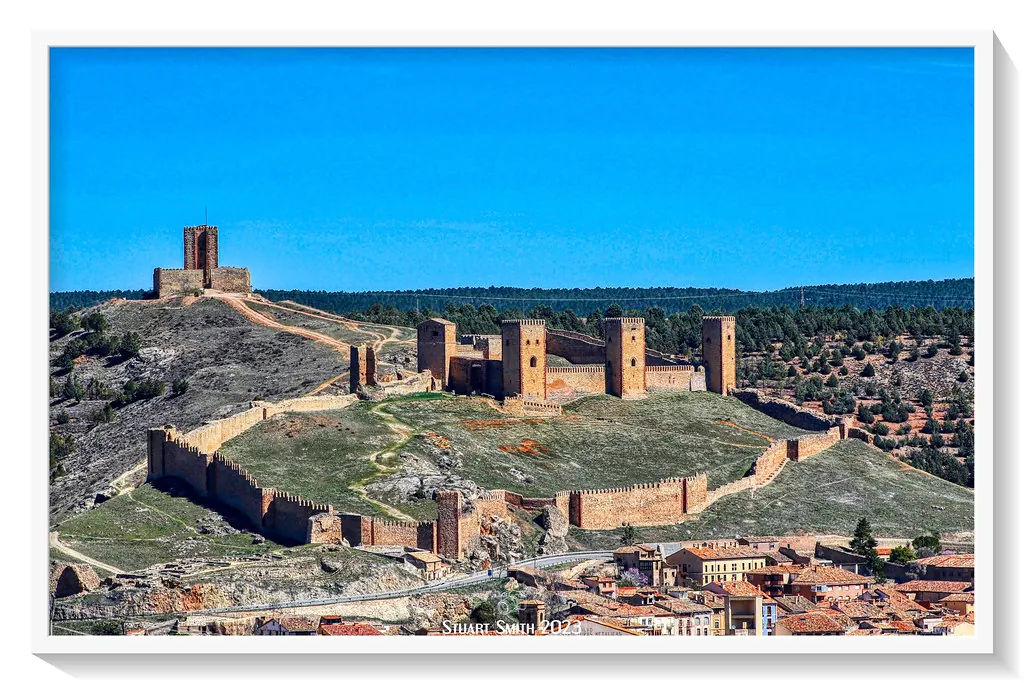
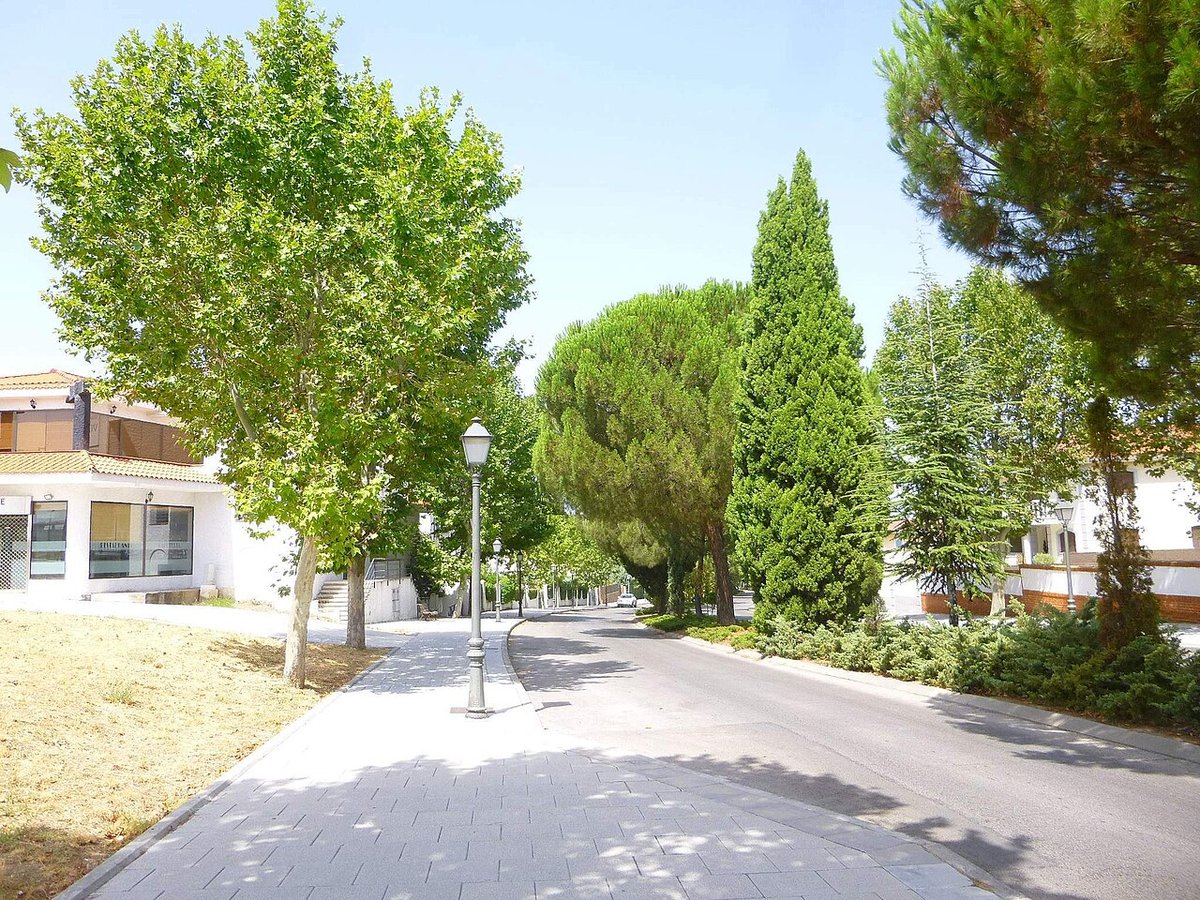
El Pedregal village; noted for its church and manor houses
Hide article Read full article
A Village on the Edge of the Map
Tourism in El Pedregal makes most sense when you first look at a map of the Señorío de Molina. This historic region in the east of the province of Guadalajara, within Castilla La Mancha, forms part of the Iberian System mountain range and is known for its vast distances and sparse population. El Pedregal sits at more than 1,100 metres above sea level, near the provincial boundary, in one of the least populated areas of inland Spain.
Around sixty people live here today, a figure that is typical for many villages in the comarca. The sense of space is immediate. Settlements are scattered, and the land between them feels expansive rather than empty.
The layout of the village reflects the demands of its setting. Stone houses, some with visible timber framing, cluster along narrow streets that follow the lie of the land without any strict grid. These are buildings designed for long, cold winters. Steeply pitched roofs help shed snow, and thick walls offer insulation against the chill that still defines much of the year.
Beyond the last houses, the characteristic landscape of the Señorío opens up: wide plateaus, patches of pine forest and stony ground that may well explain the village’s name. In winter, snow is not unusual. In summer, even after hot days, the temperature often drops noticeably at night. Altitude shapes daily life here as much as history does.
The Village and the Church of San Pedro
El Pedregal has no grand monuments or headline architecture. Its appeal lies in the ensemble and in the way the traditional scale of a small molinés village has been preserved.
At one of the central points stands the parish church, dedicated to San Pedro. Like many rural churches in the area, it is a simple building that has been altered and repaired at different moments in its history. The result is modest rather than monumental.
Inside, a restrained layout reflects the character of the village itself. A modest retablo, an altarpiece typical of Spanish churches, remains in place. The space is sober and functional. In communities of this size, the church was and still is, on certain dates, a meeting point as much as a religious space.
Walking through the streets brings attention to the details of traditional rural architecture. Large doorways were built to allow animals and carts to pass through. Corrals sit beside or behind houses, recalling a time when livestock formed part of everyday life. On the outskirts, small eras can still be identified. These threshing floors were once used to process cereals after harvest, a reminder that agriculture shaped the rhythm of the year.
Nothing feels staged. The interest lies in observing how form follows function, and how buildings respond to climate and terrain rather than to decorative ambition.
Open Horizons and Traditional Paths
The immediate surroundings of El Pedregal are open and lightly travelled. Agricultural tracks and forest paths leave directly from the village, linking it with other settlements in the Señorío and with nearby wooded areas.
These are not waymarked hiking routes in the way visitors might expect in more frequented destinations. They are traditional paths, used for farming, livestock and communication between neighbouring villages. Anyone planning to walk in the area should bring a map or a digital track and calculate distances carefully. The scale of the landscape can be deceptive.
The combination of altitude and wide horizons makes it relatively easy to spot birds of prey gliding over the plateaus and nearby rocky outcrops. The sense of exposure is part of the experience. Villages appear far apart, emphasising the vastness of the molinés territory and the isolation that has defined it for centuries.
This is a place to understand distance. The land stretches out in all directions, with few visual barriers. Weather moves in visibly. Light changes quickly. Human presence feels small in comparison with the terrain.
Everyday Life and Home Cooking
In a village of this size, daily life is quiet and commercial services are limited. Much of the traditional cooking survives within family homes rather than in public establishments.
Dishes reflect the environment and the seasons. Game stews appear when hunting season allows. Migas, a traditional preparation based on fried breadcrumbs, remain part of the local repertoire. Meat cooked over embers is common, as are dishes featuring wild mushrooms in autumn, which tend to emerge in this part of the province with the first rains.
Anyone planning to spend the day in the area should organise where to eat in advance or bring provisions. The rhythm of life here does not revolve around catering for visitors, and that is part of its character.
Food, like architecture, is practical and linked to what the land provides. Recipes are shaped by availability and climate rather than by fashion.
Summer Festivals and Winter Traditions
As in many villages of the Señorío de Molina, the main celebrations in El Pedregal take place in summer, usually around August. This is when people who have spent the year elsewhere return to the village.
Festivities centre on the church and on simple shared events: Mass, a procession and communal meals among neighbours and returning families. Rather than large-scale spectacles, these gatherings function as moments of reunion. The population temporarily increases, and streets that are quiet for much of the year regain a busier atmosphere.
Across the wider comarca there are also winter traditions, some linked to old masquerade customs. In smaller villages these celebrations are sometimes shared with or held in nearby towns, reflecting the need to pool resources and participants.
Seasonal rhythms remain important. Summer brings return and reunion. Winter carries older rituals and the weight of the climate.
Getting There
The usual approach from the city of Guadalajara is via the N‑211 road towards Molina de Aragón. From there, smaller regional roads cross the high plateau of the Señorío before reaching El Pedregal.
Journeys are long and traffic is generally light. In winter, it is advisable to check road conditions before setting out, as altitude and ice can complicate travel on certain days.
Once in the village, everything can be explored on foot in a short time. The greater distances lie not within the streets of El Pedregal, but in the landscape that surrounds it.