Full Article
about Embid
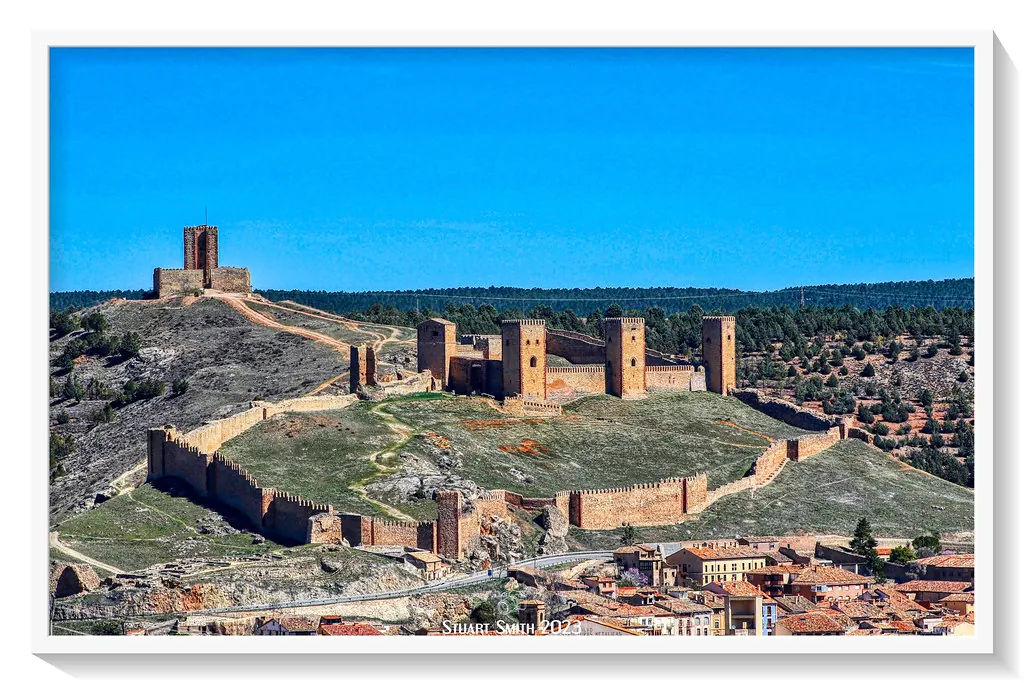
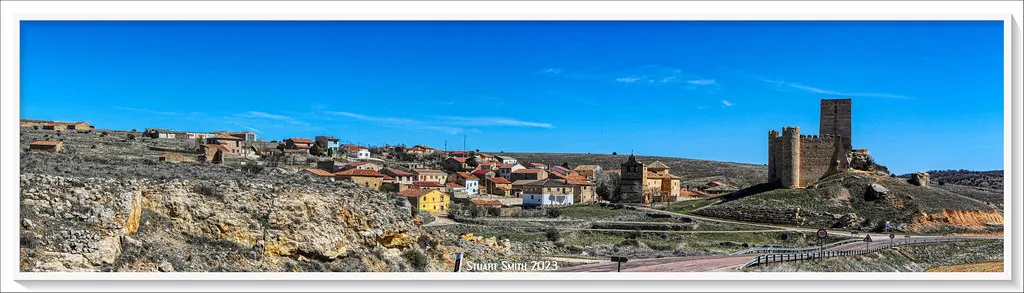
Small border village with Aragón; dominated by a ruined castle
Hide article Read full article
A pausa que se alarga más de lo previsto
Hay sitios que funcionan como esas áreas de descanso en la carretera: paras cinco minutos y acabas quedándote más de lo planeado. Embid tiene un poco de eso. Hablar de turismo aquí es hablar de algo muy pequeño y muy callado. Está en el Señorío de Molina, una comarca histórica de Guadalajara, en una parte de la España interior donde la distancia se mide de otra manera. No por los kilómetros, sino porque parece que te sales del mapa habitual.
No verás autobuses de excursión ni grupos con mochilas. Lo que encuentras es un pueblo minúsculo, con apenas tres docenas de vecinos, rodeado por un campo abierto que se pierde en todas direcciones.
La carretera ya te va avisando
El camino hasta Embid te prepara para lo que viene. Conforme te alejas de pueblos mayores, la sensación de desconexión va creciendo poco a poco. Cada curva parece cambiar el ritmo del tiempo.
Es lo típico del Señorío: carreteras largas y rectas cortando campos abiertos, y los pueblos apareciendo de repente en el horizonte. Embid es de los más discretos. Es fácil pasarlo sin darte cuenta si no vas atento.
Nadie llega aquí por casualidad. La visita suele ocurrir como parte de un recorrido más amplio por la comarca, o porque alguien te ha dicho simplemente "ve a echar un vistazo".
Un pueblo sin postureo
El centro de Embid es directo. Casas de piedra en calles cortas, con muros gruesos hechos para aguantar inviernos duros. La arquitectura habla de un lugar donde el frío marca el día a día.
Algunas viviendas están cuidadas, otras permanecen cerradas. Este contraste es común en todo el Señorío. Caminar por Embid da una sensación parecida a volver a la casa familiar después de muchos años: todo sigue en su sitio, pero se nota que la vida ya no es lo que era.
Todavía quedan corrales y construcciones ligadas a la ganadería. Aquí no hay nada colocado para la foto rápida; más bien al contrario. El pueblo parece ajeno a los cambios que suelen remodelar otros destinos rurales.
La iglesia de San Bartolomé
La iglesia parroquial aparece pronto al recorrer el pueblo. Está dedicada a San Bartolomé y tiene ese aire contenido que caracteriza a muchas iglesias de esta parte de Guadalajara.
La estructura es de mampostería, con una torre sencilla y una campana que lleva generaciones marcando el ritmo local. Dentro, el espacio es austero: bancos de madera, paredes desnudas y poca decoración crean un ambiente funcional más que ornamental.
En el exterior se notan los años y el clima: musgo, piedra desgastada y zonas erosionadas hablan de inviernos largos y mucha exposición a los elementos.
El paisaje fuera del pueblo
Lo que hace especial a Embid no está tanto dentro del casco como alrededor.
A muy poca distancia de las últimas casas, se abren las parameras del Señorío. Es un paisaje de horizontes anchos, viento frecuente y una sensación de espacio casi infinita. A primera vista puede parecer seco o incluso duro; pero si le das un poco de tiempo empiezan a salir los detalles.
Del pueblo salen caminos hacia ese terreno. Son rutas antiguas y prácticas, no senderos diseñados para caminantes: antes se usaban cada día para ir al monte, trabajar pequeñas huertas o recoger leña. Seguirlos ahora es como pisar líneas ya trazadas por otros muchos pasos antes.
En otoño la zona atrae a gente buscando setas silvestres (níscalos sobre todo). No hay una señalización masiva ni rutas marcadas en cada esquina; aquí sigue mandando el conocimiento local y el paisaje conserva esa independencia callada.
Por la noche cambia completamente si está despejado: cae una oscuridad densa, del tipo que te recuerda lo iluminados que están casi todos los pueblos hoy día.
Comer por la zona
Embid no tiene infraestructura turística propiamente dicha (ni bares abiertos todo el día). Para comer algo decente o hacer una parada larga suele tirarse hacia Molina de Aragón u otros pueblos cercanos dentro del Señorío.
La cocina por aquí sigue ligada mucho a lo tradicional: platos basados en lo que siempre se ha criado o cultivado en la zona (cordero frecuentemente), guisos contundentes y migas –ese plato hecho con pan desmenuzado tan asociado al frío– cuando aprieta el invierno.
No es una escena gastronómica moderna ni pretende serlo; son comidas consistentes ancladas en lo cotidiano –de las que sales sintiendo haber recuperado energía– más pensadas para vecinos que para visitantes ocasionales (que también).
¿Merece la pena desviarse hasta Embid?
Depende enteramente del viaje previsto:
Si buscas un sitio lleno puntos "de interés", Embid te va a parecer limitadísimo –es genuinamente pequeño–; puedes recorrerlo entero mientras suena dos veces la misma campana– .
Pero si ya estás explorando el Señorío –y tienes curiosidad por estos pueblos quietos casi olvidados– parar aquí cobra sentido . Incluso un paseo corto entre sus calles o detenerte unos minutos frente al paisaje alrededor añade algo al recorrido .
Funciona como esas breves paradas junto al arcén donde estiras las piernas : quizá no redefine tu viaje pero sí lo hace más tangible . Y este rincón tiene bastante eso .