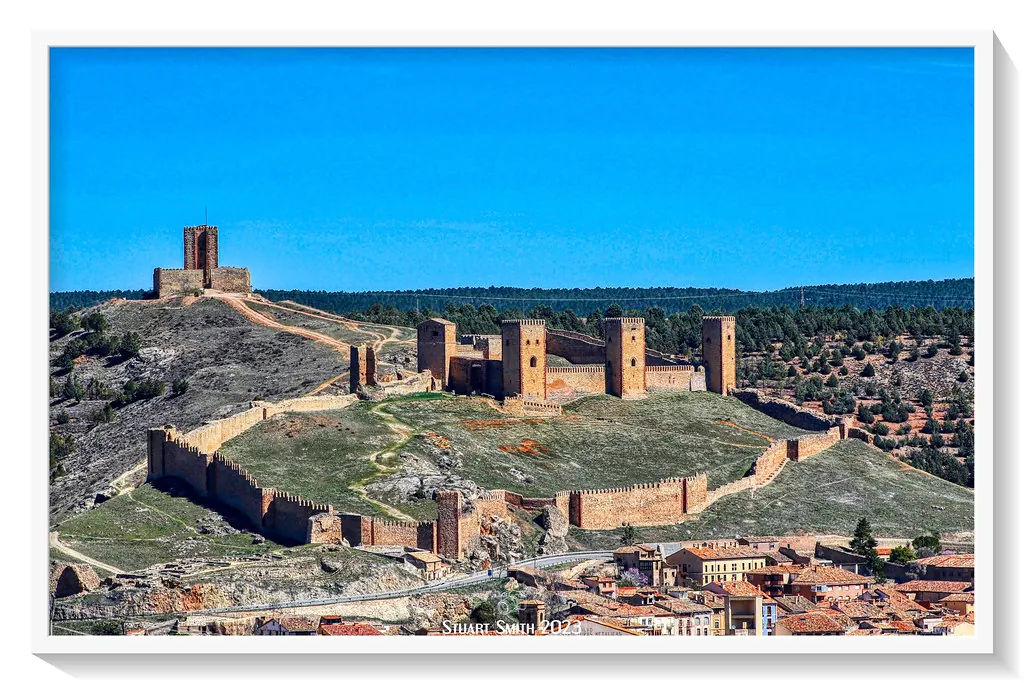
Vista aérea de Pinilla de Molina
Instituto Geográfico Nacional · CC-BY 4.0 scne.es
Castilla-La Mancha · Land of Don Quixote

Pinilla de Molina

The first thing you notice is the wind. At 1,211 m it carries the smell of stone pine and something metallic that might be snow. Pinilla de Molina ...

13 inhabitants · INE 2025
1200m Altitude

Why Visit

Mountain Church of the Asunción Hiking

Best Time to Visit

summer

Patron saint festivities (August) agosto

Things to See & Do
in Pinilla de Molina

Heritage

  • Church of the Asunción
  • Natural setting

Activities

  • Hiking
  • Disconnecting

Festivals
& & Traditions

Fecha agosto

Fiestas patronales (agosto)

Las fiestas locales son el momento perfecto para vivir la autenticidad de Pinilla de Molina.

Full Article
about Pinilla de Molina

Remote village in the Señorío; quiet and rural architecture

Ocultar artículo Leer artículo completo

The first thing you notice is the wind. At 1,211 m it carries the smell of stone pine and something metallic that might be snow. Pinilla de Molina appears suddenly on a bare ridge, its slate roofs jammed together like old books on a shelf, eleven permanent residents holding the covers shut against the empty plateau beyond.

There is no brown sign, no coach park, no craft shop. A single stone fountain trickles in the tiny Plaza de la Virgen de Fátima; that is the tourist office, the public lavatory and the drinking supply all at once. Fill your bottles here because the river Bullones ten kilometres away is usually a dusty trench.

How to reach nowhere in particular

Fly London-Stansted to Zaragoza with Ryanair (Tuesday and Saturday off-season, extra flights on Fridays in summer). Pick up a hire car, head east on the A-2, peel off onto the N-211 towards Molina de Aragón. After 90 minutes the road climbs through wheat-coloured wheat nothing; the village sign appears only when you are already in the shadow of the church. Total distance from airport: 137 km, 1 h 45 min if you resist stopping for photographs. A taxi from Molina de Aragón will cost about €35 each way, but mobile reception is patchy so book it before you leave the town.

Stone, silence and the smell of savin

Every house is built from the hill it sits on. Granite blocks the colour of weathered teak are pinned together with hand-hewn beams; many still carry the carved initials of 19th-century transhumant shepherds who spent winters here on their way to the Cuenca lowlands. Corrals open straight onto the lane – look for the iron rings set into the wall for tethering mules – and upstairs haylofts vent through tiny arched windows like squinting eyes.

Walk clockwise round the single street and you will pass eight inhabited dwellings, one ruined bread oven, and the parish church of Nuestra Señora de la Asunción. The building is locked unless Ángel, the unofficial sacristan, hears your footsteps. Inside, the retable is a palimpsest: Renaissance panels, 18th-century gilding, a 1970s varnish now flaking like sunburnt skin. The baptismal font is granite, wide enough to immerse an infant and, in harder times, to cool a bottle of wine.

Outside again, the wind resumes. South-west the land drops 400 m into the canyon of the Alto Tajo; north-east the plateau rolls all the way to Teruel without a single wood to break it. The only sound is the soft clack of your boots on schist.

Walking where no-one counts your steps

Three footpaths leave the village. The shortest (3 km, 45 min) skirts the ridge to an abandoned shepherd’s hut whose roof has collapsed into a pile of juniper beams. The medium route (8 km, 2 h 30 min) descends through savin woodland to the dry riverbed of the Bullones, then climbs back past a threshing circle paved with ox-sized stones. The long one (14 km, 4 h) follows the Cañada Real Conquense, the ancient drove-road, to the ghost hamlet of Las Nogueras where storks nest on the school roof.

Waymarking is discreet: a dab of yellow paint every 500 m, sometimes missing after winter gales. Download the track before you leave Molina de Aragón; Google’s car-shaped blue dot will otherwise float in a beige void. Good boots essential – the stone is sharp and loose – and carry an extra layer: at this altitude a June morning can start at 6 °C even when Madrid is already sweating.

What to eat when the supermarket is 22 km away

There is no shop, no bakery, no petrol station. The Centro Social opens only for funerals, weddings and the August fiesta; the rest of the year it stays locked. Bring lunch, or drive ten kilometres south to Acebos del Tajo where the restaurant attached to the trout-fishing lodge serves grilled kid goat (€14 half portion) and T-bone steaks thick enough to feed two. Chips arrive on request, salad is iceberg and tomato, wine comes from Valdepeñas in half-litre carafes. They close on Tuesdays without apology.

If you are self-catering, stock up in Molina de Aragón’s Monday market: Manchego curado at €18 a kilo, Serrano ham ends for €12, flat peaches that survive a rucksack better than the usual juicy globes. Local honey – orange-blossom, mild, runny – changes hands in unlabelled 500 g jars at the social club during fiesta week; ask for María Luisa, the only woman still keeping hives on the edge of the village.

When the village multiplies by ten

For three days around the 15th of August the population swells to roughly one hundred. Emigrants return from Zaragoza, Barcelona, even Switzerland; the priest drives up from Mandayona; a sound system appears in the square and plays 1990s Spanish pop until two in the morning. There is a mass, a procession with a tiny statue of the Virgin carried under a canopy of carnations, and a communal paella cooked in a pan two metres wide. Visitors are welcome – someone will hand you a plate and a plastic spoon – but there are no speeches, no tourist office leaflets, no souvenir fridge magnets. By the 18th the last car disappears down the track and silence reasserts itself like a tide.

Winter arrives early and stays late

From November to April the road can be blocked by snowdrifts two metres high. Temperatures drop to –12 °C; the fountain freezes solid and villagers collect buckets of ice to melt on their stoves. Unless you own a 4×4 with winter tyres, plan to visit between May and mid-October. Even then, take a fleece: night-time readings of 8 °C are common in July.

Where to lay your head

You cannot sleep in Pinilla itself – the last guesthouse closed when the owner died in 2003. Instead, book one of the four apartments at Acebos del Tajo (doubles €70, two-night minimum). They sit above the trout pools, so you will fall asleep to the sound of water instead of wind. Alternative: Las Aliagas in Megina, 10 km west, offers three stone cottages with wood-burning stoves and small gardens where red squirrels perform acrobatics at dusk. Mobile signal is weak everywhere; embrace the excuse to ignore your email.

Leaving without promising to return

Stand on the ridge at sunset and the plateau turns the colour of burnt sugar; the village roofs fade into the rock and for a moment the whole settlement looks like a geological accident rather than a human one. Drive away with the windows down and the smell of pine resin lingers in your clothes long after you reach the motorway. You will probably never come back – most people don’t – yet the memory of that high-altitude quiet, broken only by your own heartbeat, will follow you home like a stray dog that has decided not to beg, just to walk alongside for a while.

Key Facts

Region
Castilla-La Mancha
District
Señorío de Molina
INE Code
19219
Coast
No
Mountain
Yes
Season
summer

Livability & Services

Key data for living or remote work

2024
Housing~5€/m² rent · Affordable
January Climate2.8°C avg
Sources: INE, CNMC, Ministry of Health, AEMET

Planning Your Visit?

Discover more villages in the Señorío de Molina.

View full region →

More villages in Señorío de Molina

Traveler Reviews