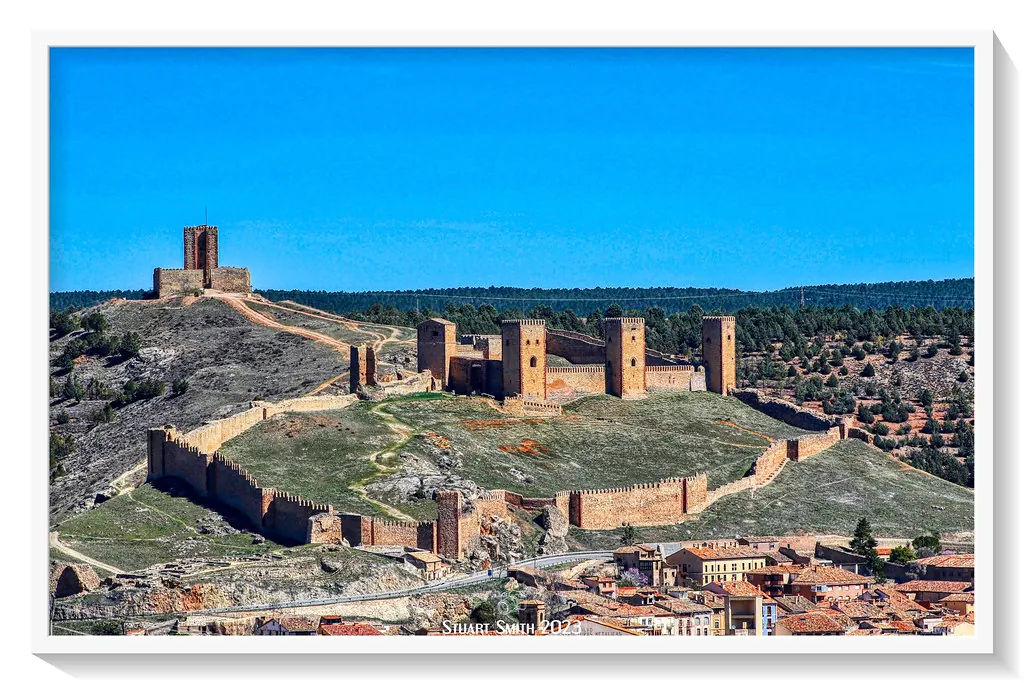
Vista aérea de Tartanedo
Instituto Geográfico Nacional · CC-BY 4.0 scne.es
Castilla-La Mancha · Land of Don Quixote

Tartanedo

At 1,117 metres above sea level, Tartanedo sits higher than Ben Nevis's summit. The village rises from the Guadalajara highlands like a natural ext...

143 inhabitants · INE 2025
1100m Altitude

Why Visit

Mountain Church of San Bartolomé Cultural routes

Best Time to Visit

summer

San Bartolomé Festival (August) agosto

Things to See & Do
in Tartanedo

Heritage

  • Church of San Bartolomé
  • Hermitage of Santa Catalina (Hinojosa)

Activities

  • Cultural routes
  • Hiking

Festivals
& & Traditions

Fecha agosto

Fiestas de San Bartolomé (agosto)

Las fiestas locales son el momento perfecto para vivir la autenticidad de Tartanedo.

Full Article
about Tartanedo

Municipality with several settlements; Hinojosa stands out for its heritage.

Ocultar artículo Leer artículo completo

Where the Stone Houses Touch the Clouds

At 1,117 metres above sea level, Tartanedo sits higher than Ben Nevis's summit. The village rises from the Guadalajara highlands like a natural extension of the rock itself, its stone houses clinging to slopes so steep that walking from one end to the other feels like completing a fell walk. Population: 147. That's not a typo—fewer people live here than fit in a single Manchester tram carriage.

The air thins as you climb. Mobile signal drops away entirely. And something else happens: the twenty-first century starts to feel negotiable rather than inevitable. Farmers still drive sheep through the single main street. The village bakery closed in 2003, but locals will point you towards Doña Pilar's kitchen window where bread appears on Tuesdays if you knock politely before 9 am.

What Passes for Civilisation

San Pedro's church squats at the highest point, its rough-hewn stone walls more fortress than sanctuary. Built piecemeal between the 16th and 18th centuries, it shows: the bell tower leans two degrees west, giving the whole structure the appearance of shrugging at gravity. Inside, the temperature drops ten degrees instantly—welcome relief during summer when the plateau bakes like a clay oven, less pleasant in January when pipes freeze solid for weeks.

The church's real treasure sits outside. From its small plaza, the land falls away in every direction revealing the Sierra de Solorio stretching towards Aragón. On exceptionally clear days, experienced hikers claim you can spot the Pyrenees 150 kilometres distant. More reliably, you'll see griffon vultures riding thermals at eye level, their two-metre wingspans casting shadows across the medieval rooftops.

Walking Into the Past

Tartanedo rewards those who arrive on foot. The GR-90 long-distance path passes within three kilometres, connecting to a network of shepherds' trails that predate Roman occupation. These routes aren't maintained for tourists—expect rough going, occasional rockfalls, and gates that need closing properly unless you fancy explaining to an irate farmer why his goats are wandering towards the main road.

Spring brings the most forgiving conditions. Wild thyme carpets the hillsides, attracting beekeepers who transport hives up the terrifying mountain switchbacks. Their reward: heather honey that fetches €18 a jar at Madrid farmers' markets. The same flowers draw more than butterflies—this is prime Spanish ibex territory. Dawn walkers often spot these sure-footed goats picking impossible routes across limestone cliffs, their curved horns silhouetted against the sunrise.

Summer hits differently. Temperatures regularly top 35°C by 11 am, turning the village into a furnace of reflected heat and blinding white stone. Sensible locals retreat indoors until evening, emerging around 7 pm when long shadows stretch across the plaza and the day's first breeze stirs. This is when Tartanedo comes alive—grandfathers shuffle to the bar for cañas of beer, mothers chase toddlers around the stone cross that marks the village centre, and the church bells mark time they've never bothered to reset for daylight saving.

The Restaurant That Isn't

Here's the thing about eating in Tartanedo: you can't. Not technically. The village supports zero restaurants, zero bars, zero shops. What it does have is ingenuity. Phone María José (ask any local, they'll dial for you) and she'll prepare a cocido—hearty chickpea stew—served in her front room for €12 a head. Advance notice essential: she needs to slaughter the chicken.

Better options lie ten kilometres down the mountain in Molina de Aragón. The drive takes twenty minutes assuming you don't meet a truck coming the other way—this is single-track territory with passing places carved into cliff faces. Try Asador El Cordero where Miguel has been roasting lamb over vine embers since 1987. His wife Conchi makes the region's best torrijas—think bread-and-butter pudding crossed with French toast, soaked in local honey and served with thick cream. Order it even if you're full.

Winter's Sharp Edge

October transforms the landscape completely. Oak and maple ignite into colours that would shame New England, set against dark green pines and the perpetual grey-green of olive groves. Photographers arrive in droves, their tripods blocking the narrow streets as they chase golden hour light across centuries-old stone.

Then comes the snow. Tartanedo becomes effectively isolated several times each winter, cut off by drifts that blow horizontal across the exposed plateau. The council clears the main road eventually—usually within 48 hours—but side tracks can remain impassable for weeks. Locals stockpile firewood in October and keep freezers full. They've learned not to rely on Amazon Prime.

Yet winter reveals the village's stubborn heart. When electricity fails (frequently), neighbours share generators. When pipes burst, everyone helps haul water from the spring that never freezes. The annual Christmas Eve mass becomes less religious observance than survival celebration—proof they've made it through another year in a place that modern life forgot to modernise.

The Exiles' Return

August brings temporary population explosion. Former residents return from Madrid, Barcelona, even London, transforming quiet streets into bustling thoroughfares for three brief weeks. Children who've never lived here run between houses their grandparents abandoned decades ago. The village fountain, dry since March, suddenly flows again—council switches it on specially. Someone organises a football match: locals versus visitors, played on a pitch so sloped that one goal sits visibly higher than the other.

These weeks reveal Tartanedo's true purpose. It exists not as museum or theme park but as anchor—physical proof of roots that stretch deeper than practicality. The houses staying empty eleven months annually still matter. They represent something increasingly rare in our hyperconnected age: a place where disconnection isn't just possible but inevitable. Where GPS fails, where Wi-Fi becomes myth, where human connections must function without digital mediation.

Getting Lost Properly

The nearest airport lies two hours away in Zaragoza—rental car essential, public transport mythical. From Madrid, allow three hours driving through landscapes that start boring and become breathtaking around the 2,000-metre mark. Fill your tank before leaving the motorway; mountain petrol stations close for siesta unpredictably and often run dry.

Accommodation means staying in Molina de Aragón or gambling on rural houses that may or may not answer booking enquiries. The village itself offers nothing commercial—no gift shops, no guided tours, no interpretive centres explaining why this place matters. That's precisely the point. Tartanedo doesn't explain itself to visitors. It simply exists, stubborn and beautiful, waiting for those willing to climb above the tree line and step briefly outside time's relentless march.

Bring walking boots. Bring layers. Bring cash—cards remain exotic technology here. Most importantly, bring patience for a pace of life measured not in megabits per second but in seasons, in harvests, in the slow geological time of mountains that watched Romans march past and will watch our own civilisation fade to memory.

Key Facts

Region
Castilla-La Mancha
District
Señorío de Molina
INE Code
19265
Coast
No
Mountain
Yes
Season
summer

Livability & Services

Key data for living or remote work

2024
Connectivity5G available
Housing~5€/m² rent · Affordable
January Climate2.8°C avg
Sources: INE, CNMC, Ministry of Health, AEMET

Official Data

Institutional records and open data (when available).

  • ESCUDO EN CASONA DE LOS UTRERA
    bic Genérico ~1.3 km
  • ESCUDO EN CASONA I
    bic Genérico ~1.3 km
  • ESCUDO EN CASONA 4
    bic Genérico ~5.5 km
  • ESCUDO EN CASONA 3
    bic Genérico ~5.6 km
  • ESCUDO EN CASONA 1
    bic Genérico ~5.6 km
  • ESCUDO EN CASONA 2
    bic Genérico ~5.6 km
Ver más (2)
  • PICOTA
    bic Genérico
  • ESCUDO EN CASONA 9
    bic Genérico

Planning Your Visit?

Discover more villages in the Señorío de Molina.

View full region →

More villages in Señorío de Molina

Traveler Reviews