Full Article
about Tortuera
A town in Molina with stately mansions and a grand church; rich history
Hide article Read full article
Ibas por la carretera del Señorío, con esa vista que parece no acabarse nunca, y de repente un cartel: Tortuera. Es el tipo de lugar que no estaba en tus planes, pero paras. "Solo cinco minutos", te dices. Y te quedas media hora sin saber muy bien por qué.
Aquí viven unas 150 personas. El turismo en Tortuera es básicamente eso: una parada larga en un territorio tan abierto que los pueblos se miden por la gasolina que gastas entre uno y otro. La vida sigue el ritmo del campo, lento y práctico.
Un núcleo hecho para vivir, no para decorar
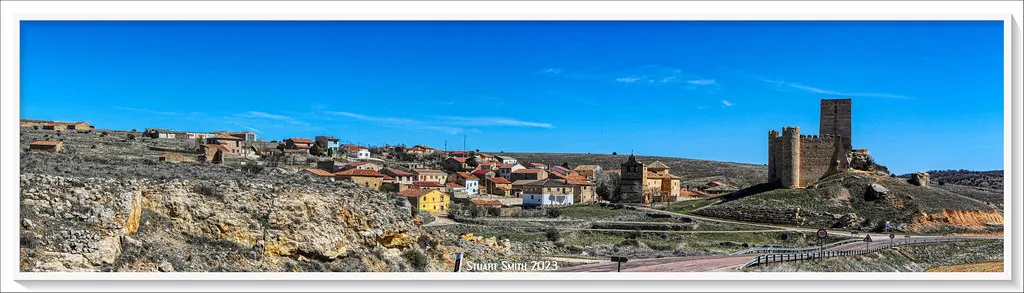
Tortuera no es un escenario. Lo notas en las calles, más anchas de lo habitual aquí, y en la plaza que en verano se llena de sillas. Las casas son de piedra gruesa y balcones de madera que sobresalen un poco. Si has estado en otros pueblos del interior frío, ya conoces el modelo: construcciones para aguantar inviernos largos, como cuando cierras la persiana en casa porque entra corriente.
La iglesia de San Pedro encaja sin llamar demasiado la atención. Sóbria, de piedra también. No es ese tipo de iglesia que ves desde kilómetros; la encuentras cuando ya estás paseando.
El paisaje que lo explica todo
Lo primero que impresiona es el espacio. Llanuras altas que se rompen con barrancos secos y colinas suaves. Parece una mesa enorme a la que le han hundido un poco algunos puntos.
Hay sabinas, enebros y alguna encina dispersa. No son bosques, son árboles colocados con mucho espacio entre ellos, como si alguien los hubiera plantado así a propósito.
Desde alguna cuesta cerca del pueblo, la vista se va lejos. Es ese horizonte dilatado que en foto parece vacío pero en persona te atrapa. Te quedas mirándolo igual que mirarías una tormenta acercarse desde muy lejos.
Senderos que fueron caminos de ganado
De Tortuera salen pistas y veredas rurales. No son rutas de senderismo espectacular con pasarelas y miradores de madera. Son caminos de trabajo, los que usaba el ganado trashumante, y ahora puedes andarlos tú.
Pasan por fuentes pequeñas, apriscos o paredes de piedra seca. Son detalles modestos que te explican cómo se movía la gente por aquí antes.
Caminar una hora sin cruzarte con nadie tiene algo especial. Si vienes de sitios más concurridos, la sensación es rara al principio. Como entrar en un cine un martes a las cinco: todo está ahí, pero falta el ruido habitual.
Comida con sentido común
En los pueblos de alrededor se come lo que siempre: cordero asado en las celebraciones, migas serranas después de una mañana al aire libre. En otoños húmedos, setas de los montes cercanos que acaban en guisos contundentes.
Es comida de temporada y práctica. Como todo aquí.
El agosto que cambia el pueblo
Durante gran parte del año Tortuera tiene una tranquilidad profunda. En agosto se nota el cambio. Las fiestas de San Pedro traen a gente con familia en el pueblo aunque vivan fuera. La plaza se llena entonces de mesas largas donde cada cual aporta algo. Ahí ves claro que aunque la población fija sea poca, el vínculo con el lugar sigue fuerte.
Cuándo ir (y para qué)
Primavera y principios de otoño funcionan bien para andar por el campo sin pasar calor ni frío excesivo. Tortuera no es un destino para coleccionar visitas obligatorias. Funciona mejor como parada dentro de una ruta más amplia por el Señorío. Es como salirte de la autovía en un viaje largo solo para ver qué hay detrás del cartel del pueblo. A veces esos desvíos decepcionan. Aquí, casi siempre, merece la pena parar. Aunque sea un rato