Full Article
about Casas de Garcimolina
Mountain village on the Valencia border, ringed by quiet nature.
Hide article Read full article
Casas de Garcimolina: un pueblo en la Serranía Baja
Casas de Garcimolina se encuentra en la Serranía Baja de Cuenca, a más de 1.100 metros de altitud. La cifra no es un dato anecdótico: explica el tipo de paisaje, la arquitectura y la forma de vida que ha persistido aquí. El pueblo, que hoy no llega a cuarenta habitantes, se asienta sobre una ladera abierta, rodeado de pinares y terrenos de pasto. Las casas no forman calles, sino que se disponen con espacio entre ellas, separadas por corrales y pequeñas huertas. Es un patrón de asentamiento antiguo, propio de una economía ganadera y agrícola de subsistencia.
El entorno inmediato es el de la sierra conquense: pinos, enebros y matorral bajo. Los caminos que salen del pueblo no son senderos turísticos; son las vías por las que se movía el ganado o se accedía a los campos. Si se camina por ellos, se ven aún los márgenes de piedra seca, alguna paridera medio derruida y los restos de antiguos apriscos. Son huellas de un uso del territorio que ya casi ha desaparecido.
La iglesia y la estructura del pueblo
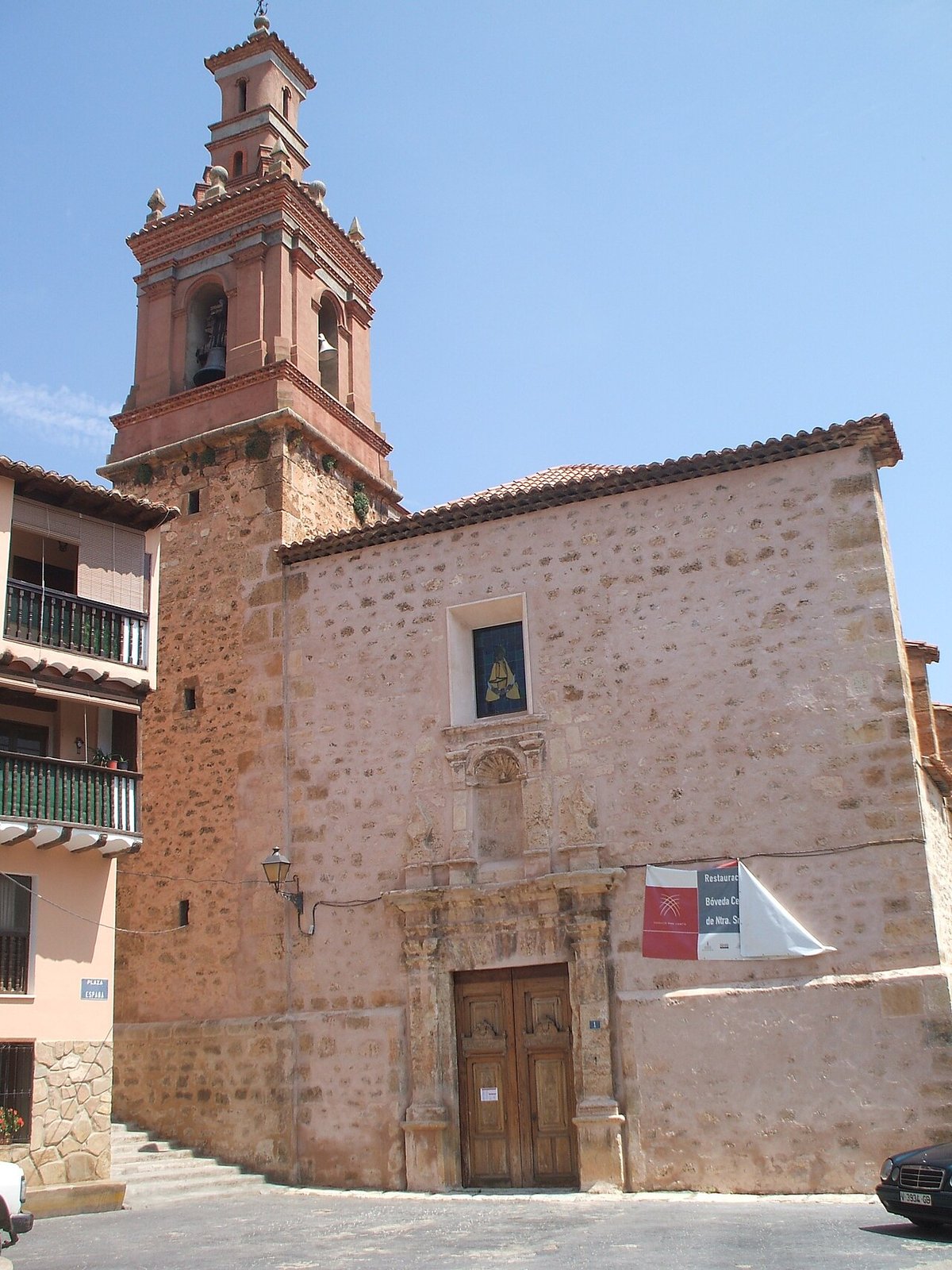
En el punto más visible se levanta la iglesia parroquial de San Juan Bautista. Es un edificio sobrio, de muros gruesos y una espadaña simple, construido con los materiales que había a mano. Junto a ella está el cementerio, una disposición común en pueblos pequeños donde el espacio siempre fue limitado y la iglesia era el centro físico de la comunidad.
Las viviendas principales se agrupan alrededor de este núcleo. La piedra es el material dominante, a veces combinada con madera en balcones o estructuras auxiliares. No hay un casco histórico compacto. Entre casa y casa quedan eras, corrales o bancales. El resultado es el de un poblado que creció de forma pragmática, adaptándose al terreno y a las necesidades familiares, sin un plan preconcebido.
Se recorre en poco tiempo. No hay monumentos destacados ni museos. Lo que define el lugar es la relación entre las construcciones humanas y el paisaje, y la sensación de continuidad con un pasado rural que no se ha reconvertido para el visitante.
Los caminos de la sierra
Desde Garcimolina parten pistas y veredas hacia otros pueblos de la Serranía Baja, como La Pesquera o La Cueva del Hierro. Muchas no están señalizadas como rutas de senderismo. Son caminos de herradura, utilizados durante siglos para el trasiego de ganado o el contacto entre aldeas.
A sus lados se conservan tramos de muro de piedra seca y antiguos cerramientos para el ganado. Estos elementos modestos sirven para leer el territorio: marcan dónde estaban los pastos, los cultivos o los rediles. La orografía es la propia de una sierra media: las pistas son estrechas, con repechos y curvas cerradas. Las distancias, que en el mapa parecen cortas, se alantan al caminarlas.
Moverse por aquí tiene más que ver con comprender la escala y el aislamiento que con visitar puntos concretos. La amplitud de los cerros, la dispersión de las construcciones y el silencio contribuyen a esa impresión.
El ritmo de las fiestas
Como en muchos pueblos pequeños, el ritmo anual en Casas de Garcimolina cambia en verano. Las fiestas patronales suelen celebrarse en agosto. En esos días regresan las familias que viven fuera y la población se multiplica. Los actos siguen una estructura tradicional, con misa, procesión y comida comunal. Su razón principal es el reencuentro vecinal, no la atracción de forasteros.
La Semana Santa también se observa, aunque de forma sencilla. En núcleos de este tamaño, la continuidad de los ritos depende mucho de quién esté residiendo en ese momento. Las tradiciones perduran, pero a una escala que refleja el número reducido de habitantes.
Estos momentos del calendario subrayan un aspecto importante: aunque la gente se marche a trabajar o estudiar, el vínculo con el pueblo suele mantenerse. Las fiestas actúan como punto de reunión, reforzando los lazos entre generaciones y manteniendo las costumbres de manera discreta.
Cuestiones prácticas
Casas de Garcimolina es una aldea muy pequeña, sin servicios para viajeros. Quien visite debe contar con abastecerse o pernoctar en localidades mayores de la zona.
Se accede por carreteras comarcales que atraviesan la Serranía Baja; los últimos kilómetros son por pistas asfaltadas pero estrechas. Conviene consultar el recorrido antes de salir. La carretera forma parte de la experiencia: se va dejando atrás zonas más pobladas para entrar en terrenos más altos y vacíos.
Una vez allí, el pueblo se ve en un paseo breve. El interés real está en mirar más allá de las casas: en los cerros cercanos, en los caminos antiguos y en la forma en que el asentamiento se adapta a un entorno exigente y poco poblado. Casas de Garcimolina no se presenta como un destino turístico al uso. Sigue siendo, sobre todo, un lugar habitado, condicionado por la altitud, la distancia y la larga continuidad de la vida rural en esta parte de Cuenca.