Full Article
about La Cierva
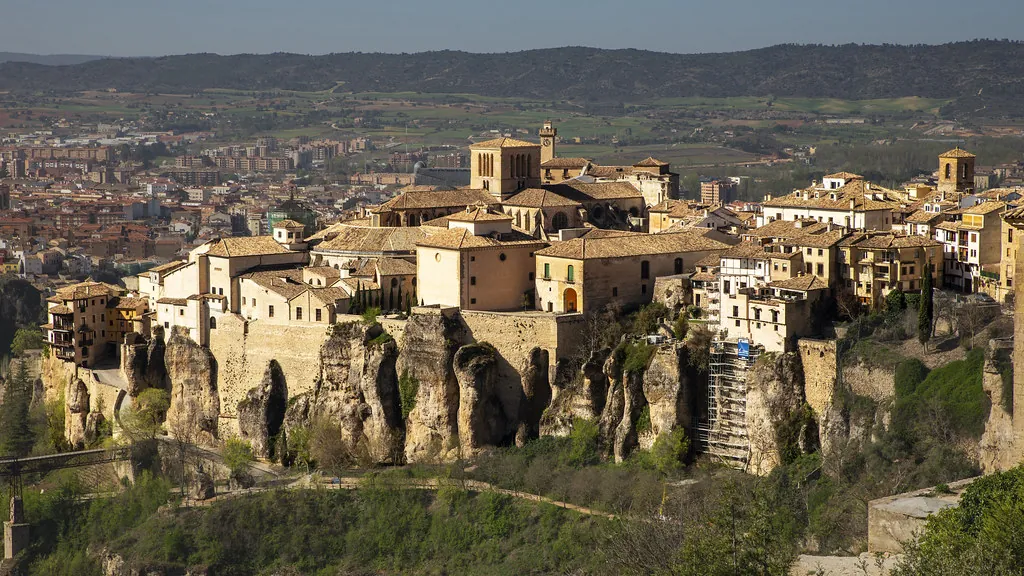
Mountain village with major paleontological sites; red-earth and pine landscape
Hide article Read full article
La Cierva es el pueblo que aparece cuando ya no esperas ver ningunoño
Estás conduciendo por la Serranía de Cuenca, pasando pinares y cerros pelados, y piensas que ya no queda nada. Y entonces, la carretera hace una curva y ahí está: un puñado de casas de piedra pegadas a la ladera. No hay un cartel grande, ni una explanada para autobuses. Solo el pueblo, tal cual. La Cierva es ese tipo de sitio al que llegas casi por inercia, porque la carretera sigue y tú sigues con ella.
Con treinta y nueve vecinos, sabes lo que te vas a encontrar. Calles vacías, silencio de verdad (del que no es para turistas) y la sensación de haber entrado en un lugar donde el ritmo lo marca el tiempo, no un horario. Si buscas tiendas de souvenirs o un menú del día con banderita, gira el coche ahora mismo. Pero si te apetece ver cómo se vive (y se sobrevive) en un rincón de esta sierra, apaga el motor.
Un paseo sin pretensiones
La Cierva se recorre en diez minutos. Literalmente. Tiene la iglesia de Nuestra Señora de la Asunción, hecha con la piedra del lugar, ancha y baja como suelen ser por aquí para aguantar el invierno. No es una catedral, es la iglesia del pueblo. Alrededor, las casas tienen esas paredes gruesas que ves y piensas: "aquí no entra el frío". Muchas conservan los corrales adosados, algunos en uso, otros no.
Lo interesante no está en un monumento concreto. Está en caminar lento. En fijarte en una puerta de madera gastada por años de manos, en una callejuela que huele a establo aunque ya no haya animales, en el sonido de tus propios pasos sobre el empedrado. Es ese tipo de paseo que te obliga a bajar la velocidad porque, si no, te lo acabas en un suspiro.
El paisaje empieza donde acaba el asfalto
Pasas la última casa y ya estás dentro. Pinares, caminos de tierra y ese cielo ancho que tienen estas sierras te rodean al momento. No hay senderos señalizados con colores cada cien metros; hay veredas que siguen ahí porque alguien las usa para ir al monte o buscar setas en otoño.
Si te gusta andar sin rumbo fijo, este es tu terreno. La recompensa son vistas amplias donde el pueblo parece un modelo a escala, perdido entre tanta extensión. Es un contraste brutal: tanta soledad alrededor de tan pocas casas.
Comida y fiestas como siempre
Olvídate del bar abierto todos los días. Aquí la vida social pasa dentro de las casas o en las pocas fechas señaladas del año. En verano vuelven los que tienen familia y las calles recuperan algo de bullicio durante las fiestas patronales.
La comida es la de siempre: guisos contundentes, algo de caza si hay suerte y platos como el morteruelo conquense (una pasta densa de carne) que salen en las conversaciones cuando hablan de cocina serrana. No es gastronomía para visitantes; es lo que se come cuando se reúne la gente.
En enero aún celebran San Antón, una fiesta ligada a los animales que habla del pasado ganadero del pueblo. Ya no hay tantas cabezas de ganado como antes, pero mantienen el gesto.
Cómo llegar (y qué hacer cuando estés allí)
Se llega por carreteritas secundarias llenas de curvas. Nada complicado si conduces con calma. Al entrar verás dónde dejar el coche sin problema; todo está cerca.
Mi consejo es claro: no vengas a "hacer turismo". Ven a estirar las piernas después de un viaje largo por la sierra. Date una vuelta a pie, mira cómo están construidas las casas para aguantar el frío, escucha el viento en los pinos y date cuenta del silencio tan grande que cabe en un sitio tan pequeño.
Algunos pueblos son así. No piden más que unos minutos de tu atención sin prisa. La Cierva es uno de ellos