Full Article
about Letur
Known as the pearl of the Sierra del Segura; noted for its flawless Arab layout and the water running through its streets.
Hide article Read full article
Letur es el pueblo donde aparcar el coche es el primer acierto
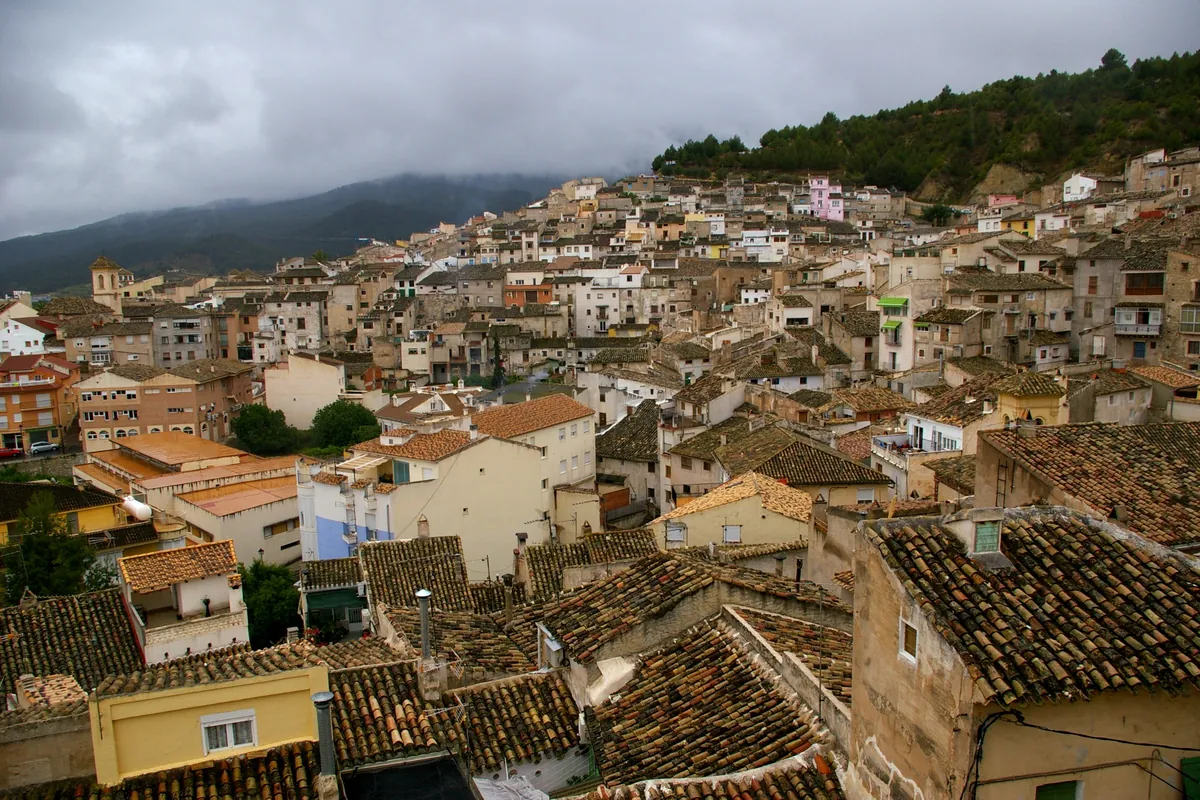
Hay un momento muy concreto al llegar a Letur: ese en el que das la vuelta a la primera esquina y piensas "ah, vale, esto no es para coches". Las calles suben y bajan como les da la gana, empedradas, flanqueadas por casas blancas con la madera oscura de balcones y puertas. El ritmo cambia de golpe.
Así empieza casi todo el mundo: dejas el coche en las zonas habilitadas fuera del casco antiguo, caminas dos minutos, y ya estás dentro. Letur tiene unos 900 habitantes, está en la Sierra del Segura a unos 700 metros, y no es grande. Pero su centro histórico tiene personalidad suficiente para que te pierdas un buen rato sin aburrirte.
Esto no es un decorado. Se nota que la gente vive aquí. Lo ves en los cántaros de barro incrustados en las fachadas, en los pasadizos que unen edificios por encima de la calle, en un trazado que es puro remiendo de siglos. La mezcla de diseño andalusí y construcciones posteriores le valió la declaración de Bien de Interés Cultural. Suena serio, pero aquí se traduce en que paseas por un lugar con historia, no por un museo.
Perderse es la única ruta recomendable
Lo más sensato en Letur es no buscar un itinerario perfecto. Es mejor perderse un poco.
Las calles siguen el patrón irregular heredado de su pasado andalusí. Los callejones se estrechan sin avisar, aparecen plazoletas minúsculas y esos pasadizos cubiertos que te hacen mirar hacia arriba. Acabas fijándote en los detalles altos: vigas, balcones, arcos.
La Iglesia de Santa María de la Asunción está en una de las partes más altas del pueblo. Es un edificio sobrio y más grande de lo que esperarías para un sitio así. Desde sus alrededores hay vistas claras sobre el mar de tejados y las sierras que lo rodean.
Si te gusta rascar un poco en la arquitectura, busca la zona conocida como La Morería. No hay carteles llamativos, pero si miras bien, encuentras huellas en dinteles, muros y piedras reaprovechadas en las fachadas. Es una parte silenciosa del pueblo.
El campo empieza donde terminan las últimas casas
Lo bueno de Letur es lo rápido que desaparece lo urbano. Sales del último callejón y el paisaje se abre de inmediato: bancales con olivos y almendros, ramblas secas y lomas cubiertas de monte bajo.
Varios senderos salen hacia la Sierra del Segura. Unos bajan hacia barrancos con algo más de humedad, otros suben a miradores naturales para ver el pueblo encajado entre montañas. No hace falta una ruta épica; con caminar veinte minutos por cualquiera de los caminos que salen del casco ya entiendes por dónde estás.
Si vas en primavera, los almendros suelen estar en flor. No es un evento organizado ni señalizado; simplemente pasa, y el valle se llena durante unas semanas de manchas blancas y rosas.
Comida como la harías tú después de andar
Aquí comer bien no se plantea como algo excepcional. La cocina sigue la tradición serrana: platos contundentes para quien ha pasado el día trabajando fuera o pateando cerros.
Aceite local, miel y embutidos son habituales. Platos como el gazpacho manchego –un guiso sustancioso a base de carne y torta– o las gachas, calientes y saciantes, aparecen a menudo. Los guisos de caza también forman parte cuando toca.
No es una cocina elaborada, pero son ese tipo de comidas que pides sin pensar después de una mañana callejeando o caminando.
Fiestas que aún le pertenecen al pueblo
En Letur las celebraciones siguen siendo cosa del vecindario. Los festejos principales son en agosto por la Virgen de la Asunción. Durante varios días se mezclan actos religiosos con actividades populares que sacan a la gente a la calle.
En Semana Santa también hay procesiones. Son más modestas que en ciudades grandes, pero con mucha participación local.
Un detalle distintivo del calendario festivo es la figura del tamborilero. El sonido del tambor y la flauta aparece en ciertas fechas y se mezcla con el ambiente del pueblo, igual que el repique de las campanas.
Cómo llegar (y por qué ir sin prisa)
Llegar a Letur implica carretera serpenteante durante bastante tiempo. Desde Albacete son varias horas pasando por comarcas tranquilas y tramos cada vez más curvos según te adentras en la Sierra del Segura.
Una vez allí, lo práctico es dejar el coche fuera del casco antiguo –hay zonas habilitadas– y moverte a pie. Muchas calles son estrechas y con cuesta; caminar no solo es más cómodo, a menudo es la única opción realista.
Letur no es un lugar para tachar visitas obligadas una tras otra. Funciona mejor con calma: pararse a mirar una puerta, asomarse a un mirador improvisado o simplemente vagar sin plan. Para un pueblo que no llega al millar de habitantes guarda más de lo que parece a primera vista