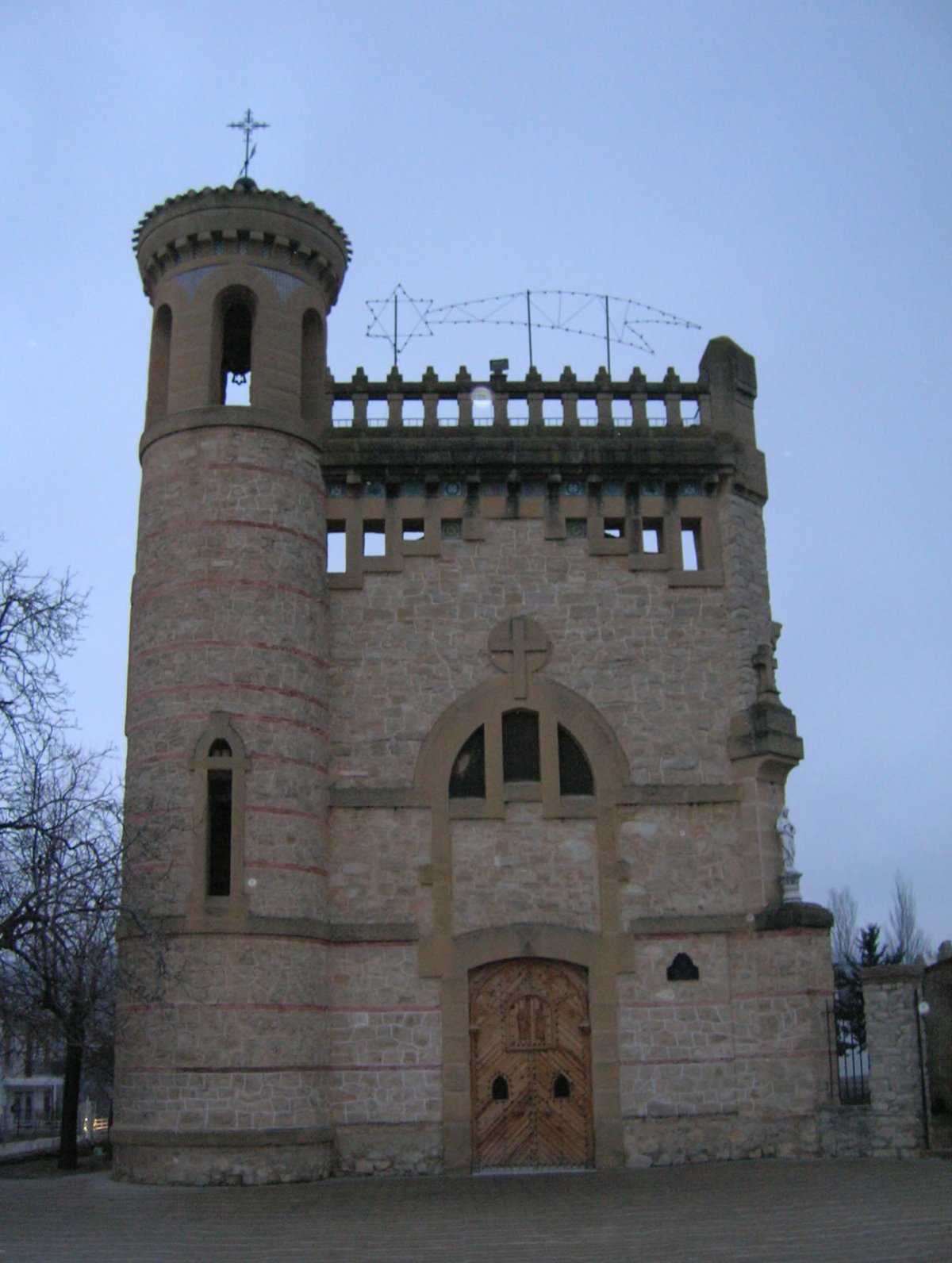
Nerpio - Flickr
Javier Ábalos · Flickr 5
Castilla-La Mancha · Land of Don Quixote

Nerpio

At 1,080 metres, the morning bus from Albacete drops you where the air thins and the Sierra del Segura begins. Step off and the first thing you not...

1,136 inhabitants · INE 2025
1080m Altitude

Why Visit

Mountain Taibilla Castle Zarzolón Trail

Best Time to Visit

summer

August Festival (August) Agosto

Things to See & Do
in Nerpio

Heritage

  • Taibilla Castle
  • Solana de las Covachas rock paintings
  • Taibilla reservoir

Activities

  • Zarzolón Trail
  • Stargazing
  • Walnut Tasting

Full Article
about Nerpio

The southernmost, most mountainous municipality; known for its walnuts and UNESCO-listed rock art.

Ocultar artículo Leer artículo completo

At 1,080 metres, the morning bus from Albacete drops you where the air thins and the Sierra del Segura begins. Step off and the first thing you notice is the hush: no motorway drone, only pine resin on the wind and the clink of a distant goat bell. Nerpio’s main street is barely two bakeries, a chemist and a bar whose door sign still advertises “Telefónica 1994”. It feels higher than most British ski villages, yet the only uplift here is the view south towards Murcia where the land falls away like a crumpled map.

Stone, Snow and Silence

The village proper sits on a limestone shelf punched full of sink-holes. Drive ten minutes out and you reach the Calar de la Sima, a 1,993-metre reef of fossilised shells that used to be seabed. Winter locks the track with snow from December to March; even in April you may find a drift across the path sharp enough for a snowball. Come July the same rock radiates heat like a storage heater, pushing lizards into the only patch of shade cast by a trig pillar. The contrast is what makes the walking interesting: leave at dawn in a fleece, be downing lukewarm water by eleven, yet still able to pick wild thyme that smells like a Yorkshire moor on a wet August.

Maps handed out by the tiny tourist office (open 10:00–14:00, closed Thursday) mark six way-marked circuits. The shortest, the Ruta del Zarzalar, climbs 250 metres through black pine and emerges on an escarpment where Spanish ibex stare as if you’ve interrupted a meeting. The longest, a 17-kilometre loop to the headwaters of the Taibilla river, is a proper mountain day: carry litres, not millilitres, because the springs marked on the 1:25,000 sheet often run dry by late May. GPS tracks are downloadable, but phone signal dies in every ravine; screenshot the route before you set off.

Bronze-Ae Frescoes and Starlight

People arrive for the dark sky as much as the daylight peaks. The village applied for International Dark-Sky status after measurements showed readings of 21.9 mag/arcsec² – that’s darker than Kielder Forest on a moonless night. British astro-tourists haul Dobsonians up the dirt track to Las Casas del Río, set timers for two hours, then wander back to find Orion has wheeled halfway across the sky and their tea is stone cold. No light pollution also means no street lighting; bring a head-torch or you’ll trip on the granite kerbs the locals call bordeus.

By day the same hills hide Levantine rock art – schematic hunters, goats and what looks suspiciously like a Morris-dancer’s stick figure – painted 7,000 years ago under overhangs now fenced for protection. Guided visits (€6, Spanish only) start from the Interpretation Centre on Plaza de la Constitución and must be booked before 13:00 the previous day. Groups are limited to twelve; if you’re the only Brit, expect whispered translations from a fellow visitor running Google Translate in whisper mode.

Calories for Climbers

Mountain appetite is taken seriously. Breakfast is a wedge of tortas de gazpacho – nothing like Andalusian gazpacho, more a thick pancake torn up in hare stew. If the idea of game puts you off, the bar on Calle Nueva will swap in farmed chicken, no questions asked. Lunch might be cabrito lechal, milk-fed kid roasted until the skin crackles like pork. Vegetarians get a baked onion stuffed with PGI walnuts; the same nuts appear later in a sponge soaked in local honey and served with thick sheep’s-milk yoghurt. Wine lists are short and sensible: house red from Jumilla is usually a Monastrell blend, fruitier than anything under a tenner at Tesco and still €13 on the card machine – assuming the line hasn’t frozen. Cash is king; the village ATM runs dry on Friday afternoon when the forestry workers get paid.

How to Get There and When to Turn Back

Driving from Alicante airport takes three hours on the A-31, then the CM-412 up through Socovos. Petrol stations thin out after Pozo Cañada; fill the tank and the jerry-can if you’re renting a small-engine car. In winter CM-412 is salted but not hurried: carry snow socks even in March. Coming by public transport is possible but leisurely: ALSA coach from Alicante to Albacete (1 hr 30), then the 12:30 regional bus to Nerpio (2 hrs 15). The return leaves at 06:45, so plan accordingly; miss it and you’re checking into the only hostal, above the bakery, where the bells strike the quarter-hour all night.

Spring and autumn give the kindest light and temperatures. May daytime hovers round 22 °C, but night can drop to 5 °C – perfect for walking, lethal if you booked a tent without a season rating. October brings mushroom permits: locals set off at dawn with knives and wicker baskets; visitors need a €5 day licence from the town hall. Summer is hot and surprisingly busy with Spanish families escaping the coast, yet even then you can walk twenty minutes from the road and hear only cicadas. Winter is magnificent, empty and potentially treacherous: if the wind swings east, 30 cm of snow falls in a night and the Guardia Civil close the access road until the plough arrives from Yeste, sometimes 24 hours later.

Leaving the Roof

Nerpio won’t hand you a souvenir tea-towel. What it does offer is altitude without attitude: a place where you can still feel the planet curve under your boots and see the Milky Way spill across the sky like spilled sugar. Pack decent shoes, a working torch and enough cash for the bus back, and the village meets you halfway. Just remember to check the weather one last time before you set off up the calar; the summit cairn is only 45 minutes away, but in cloud those same stones have all the direction of a Dartmoor tor in a white-out. Turn round in time and the only thing you’ll leave behind is your footprints in the limestone dust – and perhaps a wish to return when the walnuts ripen in November.

Key Facts

Region
Castilla-La Mancha
District
Sierra de Segura
INE Code
02055
Coast
No
Mountain
Yes
Season
summer

Livability & Services

Key data for living or remote work

2024
ConnectivityFiber + 5G
HealthcareHealth center
EducationHigh school & elementary
Housing~5€/m² rent · Affordable
Sources: INE, CNMC, Ministry of Health, AEMET

Official Data

Institutional records and open data (when available).

  • ABRIGO DEL COLLADO DE LA CRUZ
    bic Genérico ~6.8 km

Planning Your Visit?

Discover more villages in the Sierra de Segura.

View full region →

More villages in Sierra de Segura

Traveler Reviews