Full Article
about Socovos
Town with a striking Almohad castle and cave paintings; ringed by wetlands and nature.
Hide article Read full article
Cuando el mapa te hace clicar
Estabas buscando otra cosa, un pueblo con más fotos en Google, y de repente el cursor se te quedó parado sobre un nombre que no habías visto antes: Socovos. En la Sierra de Segura, en Albacete. No es un sitio del que se hable mucho. Y ahí está precisamente la gracia.
Con unos 1.600 habitantes, lo primero que ves al acercarte son las manchas verdes de los pinares y, después, el mosaico de olivares, almendros y pequeños huertos. El paisaje aquí no es decorativo; es el almacén. En verano, el contraste del verde contra la tierra clara es brutal. En invierno, todo se apaga a tonos marrones y grises, como si la tierra también hiciera su hibernación.
Un pueblo que no se disfraza
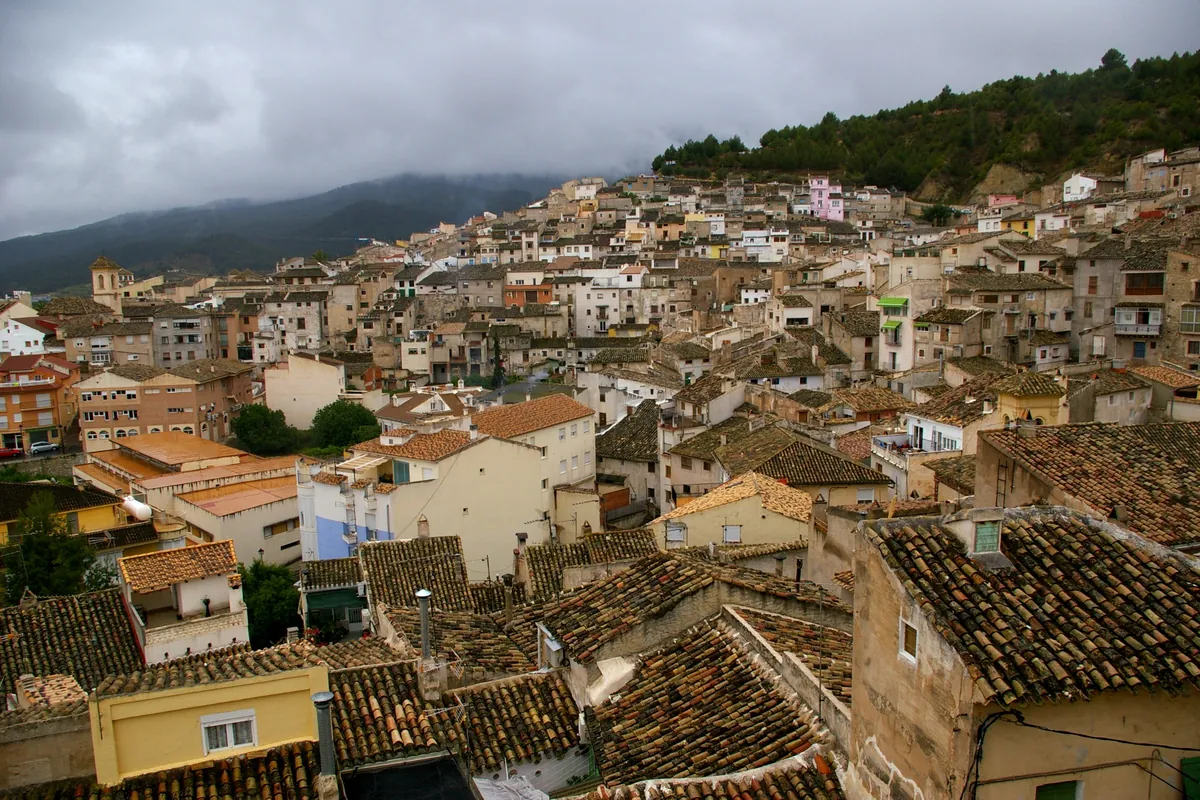
El centro de Socovos son cuestas suaves y calles estrechas. Casas encaladas, rejas de hierro en las ventanas. Pero esto no es un decorado para turistas. Fíjate en los portones grandes, pensados para que entrara un carro o el ganado. Mira los muros gruesos, hechos para aguantar el calor del verano manchego. La arquitectura aquí es funcional, sin adornos innecesarios. Es como si cada casa te dijera: "Yo fui construida para trabajar".
Pasear por aquí tiene ese punto de viaje en el tiempo. No porque esté perfectamente restaurado (no lo está), sino porque se nota que los planos los dibujó la necesidad, no un arquitecto.
Salir a caminar sin pretensiones
En los alrededores del pueblo el terreno se pone interesante. Aparecen formaciones de roca caliza y las ramblas, esos cauces secos que solo llevan agua cuando llueve de verdad. La Rambla Mayor y la Rambla Chica son los paseos locales por excelencia.
No esperes senderos señalizados con balizas brillantes. Son caminos de tierra, a veces poco más que una huella, que siguen las rutas lógicas de siempre: ir al campo, bajar al cauce, conectar con la parcela de al lado. Después de una buena tormenta es cuando merece más la pena; el agua talla la roca y le da otro carácter al paseo.
Es el tipo de paisaje que entiendes mejor andándolo que mirándolo desde un mirador. Ves cómo encajan el olivar, el bosque mediterráneo y la roca desnuda.
Comer como se ha comido siempre
Olvídate de cartas con veinte platos creativos. La cocina en Socovos es la de siempre: gachas migas, embutido local y aceite de oliva a raudales. Son platos contundentes, pensados para reponer fuerzas después de una jornada en el campo.
En temporada, también encontrarás guisos de caza mayor, hechos a fuego lento como toda la vida. Y si te gusta el queso, por aquí se sigue haciendo curado de manera tradicional. No es fácil encontrarlo a la venta en un mostrador reluciente; a veces hay que preguntar.
Fiestas que no son un espectáculo
El calendario lo marcan unas pocas fechas clave. En agosto sacan a la Virgen de la Consolación en procesión durante las fiestas patronales. La gente sale a la calle, ponen música en la plaza y se organizan concursos populares. Tiene ese ambiente de pueblo donde todo el mundo se conoce.
La Semana Santa también se vive con intensidad, con ese ritmo pausado propio del interior. Y están las romerías, esas excursiones al campo que mezclan lo religioso con la merienda familiar en el monte.
Son eventos para los vecinos primero. Si coincides, genial; verás cómo funciona la comunidad. Si no, tampoco pasa nada; el pueblo sigue igual.
Cómo llegar (y por qué hacerlo)
Para llegar desde Albacete coges carreteras comarcales que van dejando atrás la llanura y metiéndose entre cerros y barrancos. El cambio es gradual pero claro.
Socovos no vive del turismo ni lo intenta. Por eso mismo resulta tan auténtico. No hay una atracción estrella ni una postal única. Lo que hay es un pueblo agrícola donde se sigue viviendo pendiente del tiempo (el meteorológico y el de las cosechas). Un lugar para quien prefiera ver cómo es realmente un rincón de la España rural cuando nadie está actuando para él