Full Article
about Fuencaliente
Thermal village in the heart of the Sierra Madrona with cave paintings; lush mountain scenery and medicinal waters
Hide article Read full article
A Village That Smells of Sulphur
The first clue that Fuencaliente is not quite like other villages arrives through your nose. You might be standing in the main square, looking around at white façades and low hills like in so many settlements across the sierra, when you catch a faint scent of sulphur in the air. It is not overpowering, but it is unmistakable. Then it clicks: here, the water really does rise hot from the ground.
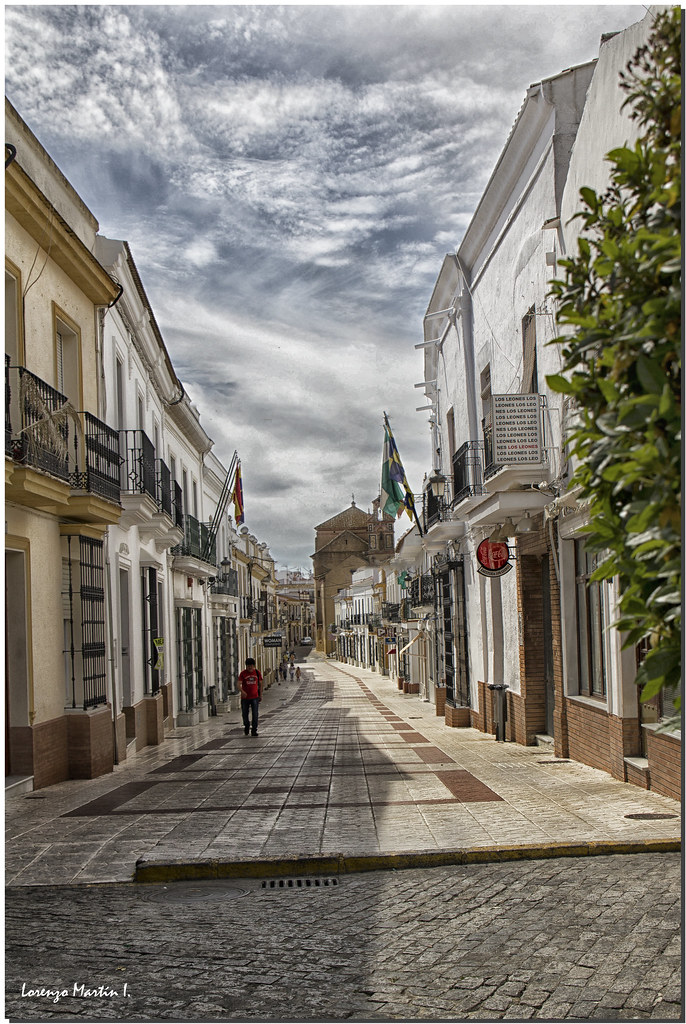
Fuencaliente sits in Sierra Morena, in the southern part of Castilla La Mancha, with just over a thousand residents and the steady rhythm of a mountain village. Short slopes connect quiet streets. In the late afternoon, conversation fades and a deep stillness settles in.
What makes the place unusual lies beneath the surface. Under the Iglesia de Nuestra Señora de los Baños there is a thermal spring. The current church was built in the 18th century on top of earlier structures, and the hot water continues to flow directly below it. A church built over a spring might sound odd, yet here it is simply part of everyday life. Locals mention it as casually as the weather.
Fuencaliente does not overwhelm with grand monuments or an endless list of attractions. Its appeal is subtler. The mineral scent in the square, the knowledge that warm water runs underground, the calm pace of village life, all combine to create a feeling that this is a place slightly out of the ordinary.
Peña Escrita and the Rock Art That Changed History
Around four kilometres from the town centre lies Peña Escrita. In this rocky area are several shelters containing prehistoric cave paintings. They have been known since the 18th century, when a local clergyman recorded the discovery. Over time, they came to be recognised as one of the earliest documented discoveries of rock art.
The walk up to the archaeological site is straightforward. It follows a dirt track with some incline, surrounded by open countryside. This is not a demanding hike, more a steady uphill stroll that reminds you that you are deep in Sierra Morena.
At the top are the paintings themselves: human figures, animals and symbols traced onto the rock thousands of years ago. They are not vast or theatrical like the displays found in major museums, yet they hold your attention. Perhaps it is the thought that they have remained on the same stone surface for millennia, watching seasons and generations pass.
Another striking feature is the atmosphere. It is often quiet. There are times when only a handful of visitors are present, allowing space to stand in front of the rock face and look closely without queues or noise. In a country with many heavily visited heritage sites, that sense of calm can feel rare.
The Bath You Do Not Expect
Thermal water is still central to Fuencaliente. There is a historic spa that uses the spring and has been operating for a long time, although the building itself has changed over the years.
The water emerges hot, usually said in the village to be in the mid-thirties Celsius, and carries the same mineral scent noticeable in the square. For generations, local people have associated these waters with relief from aches and skin problems. There is no need for grand claims. After walking through the hills, spending time in naturally warm water is simply restorative.
In the square, a story continues to circulate among residents. If you arrive during local festivities and look particularly unfamiliar, some may jokingly threaten to throw you into the Pilar de los Burros. This traditional fountain once served as a watering place for animals. No one seems entirely sure when the custom began, yet it is told with laughter. It reflects the easy humour of a place where most faces are known and strangers stand out.
Hearty Dishes from the Sierra
Time outdoors in this part of Castilla La Mancha tends to sharpen the appetite. The cooking in Fuencaliente reflects its setting in the Manchegan side of Sierra Morena: robust, practical and rooted in rural tradition.
Gazpacho manchego, despite the name, bears no resemblance to the chilled tomato soup from Andalucía. Here it is a substantial stew made with game or poultry and pieces of flatbread known as tortas. It is the sort of dish that keeps hunger at bay for hours.
Migas with grapes also appear on local tables, as does well-aged queso manchego. The food is straightforward and familiar to the region, shaped by what has long been available in mountain villages. In the bars around town, it is served without fuss: generous portions, conversation at the counter, and the kind of tablecloths that have been in use for years.
There is no elaborate presentation and little reinvention. The focus is on flavour and sustenance, especially welcome after a morning on dusty paths or a climb into the surrounding hills.
Climbing La Bañuela in Sierra Madrona
For those who prefer longer walks, the Sierra Madrona offers more demanding routes. The ascent of La Bañuela is the classic challenge in the area. At just over 1,300 metres, it is one of the highest peaks in Sierra Morena.
This is not a brief outing. There is noticeable elevation gain and stretches where the terrain feels rugged. Yet reaching the top makes the effort clear. The landscape opens in every direction: scrubland, holm oaks, patches of woodland and kilometres of largely undeveloped countryside.
From that height, it becomes evident how sparsely built this corner of southern Castilla La Mancha remains. There are no sprawling urban areas on the horizon, only layers of hills fading into the distance.
On the way down, boots dusty and legs tired, Fuencaliente reappears as both starting point and refuge. Its streets and square feel even quieter after hours in open country.
Fuencaliente is not a place of big headlines or shopping streets lined with boutiques. Life revolves around the sierra, the hot water that rises from beneath the church, and a history that stretches back long before modern tourism routes were imagined.
If you visit in spring, when the hills turn green, the setting is at its most inviting. A walk up to Peña Escrita, time spent near the thermal waters, and perhaps a climb towards La Bañuela together offer a sense of what defines this small village in Sierra Morena: heat beneath the ground, ancient marks on stone, and a calm that lingers long after you leave.