Full Article
about Arroyo de las Fraguas
Quiet mountain village; perfect for unwinding and nature.
Hide article Read full article
A Village Shaped by Altitude
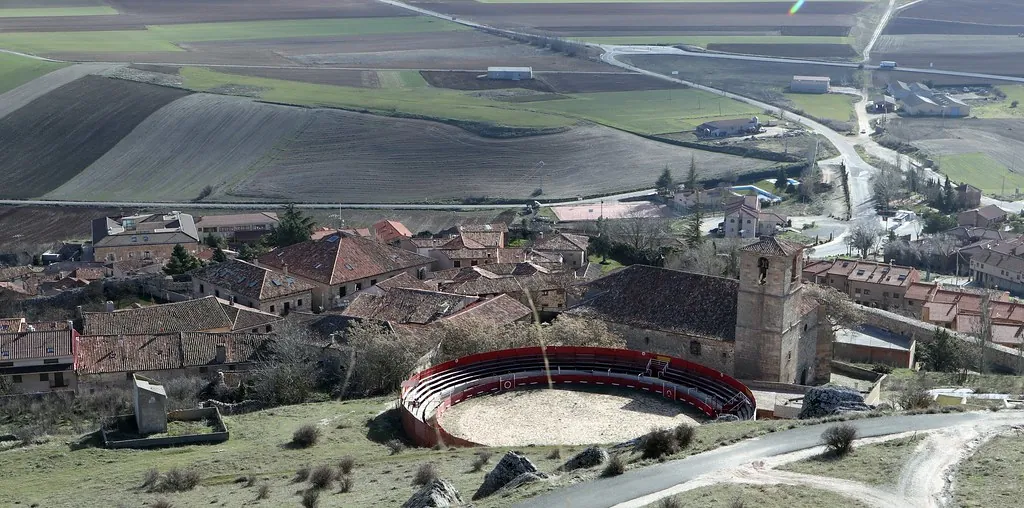
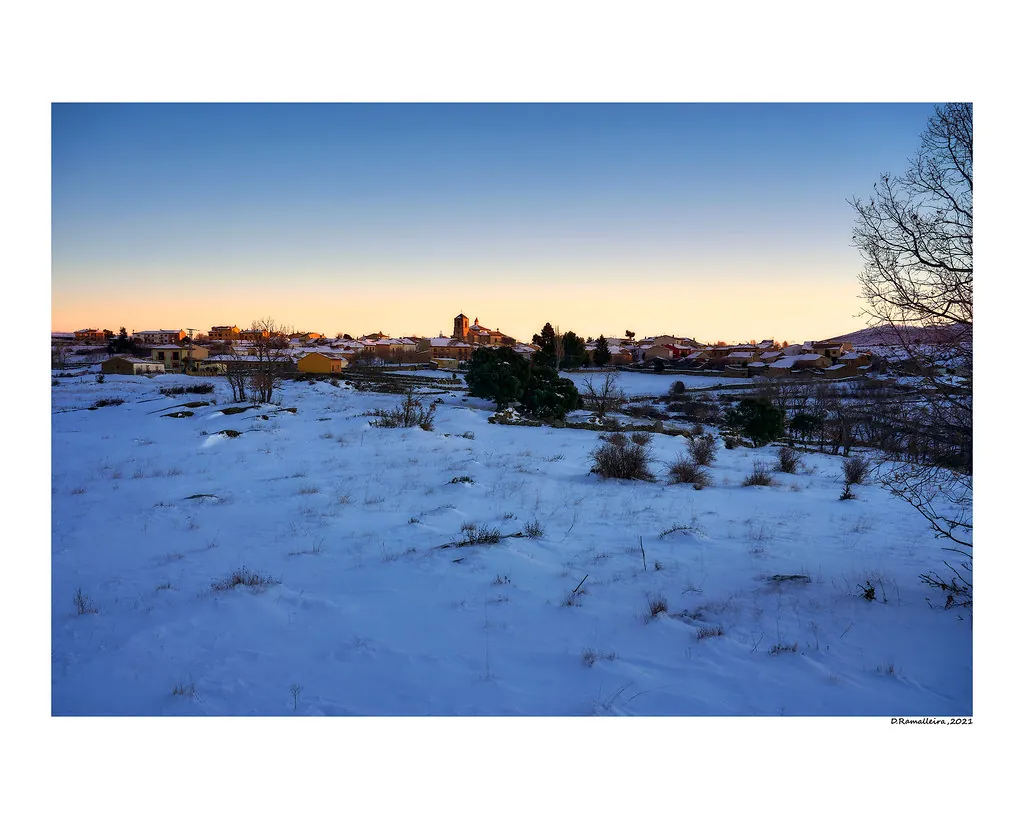
On the northern slope of the Sierra de Pela, at around 1,200 metres above sea level, Arroyo de las Fraguas is one of the smallest settlements in the Sierra Norte of Guadalajara. Its population barely exceeds thirty residents. The village offers a clear sense of how people have lived for centuries in these mountains: in tiny communities, exposed to the elements, where the layout of houses and land responds to necessity rather than to any formal urban plan.
Its name points to an activity that has now disappeared. Fraguas means forges, a term usually linked to places where iron was found or where metal was worked for livestock and farming tools. It is not entirely clear how significant this activity was here, but the place name endured and appears in early documents from the area.
The cluster of houses still preserves much of the traditional mountain architecture. Stone dominates, with thick walls and roofs designed to bear the weight of snow. Some houses retain tronera chimneys, the distinctive مخروط-shaped stacks typical of the Sierra Norte. Small vegetable plots beside the homes reflect a domestic economy built around making use of every cultivable metre.
Arroyo de las Fraguas does not present itself as a curated rural retreat. Its appearance is the result of adaptation to climate, isolation and the rhythms of livestock and agriculture.
Church, Woodland and High Moorland
The parish church is a simple building, as is common in many villages across the comarca. It does not follow a grand artistic programme. Instead, it fulfils the historical role such buildings have had in places of this scale: a religious centre and a meeting point for a very small community. In settlements like this, the church is usually the most recognisable structure.
The landscape surrounding Arroyo de las Fraguas belongs to the high sierra. There are pine forests of pino albar, areas of rebollar, which are oak groves dominated by rebollo oak, and open slopes where the ground becomes increasingly stony. The terrain is rugged and the climate makes itself felt for much of the year.
Streams descending from the sierra cross the municipal area. In summer they create short stretches of shade and moisture that contrast with the more exposed ground. These pockets of greenery break up an otherwise austere setting.
The nearby Sierra de Pela defines the horizon. Rather than dramatic peaks, what dominates are elevated plateaus and narrow valleys that separate one village from another. Distances are short as the crow flies, yet the folds of the land have historically shaped communication and movement between communities.
Old Tracks and Mountain Wildlife
Forest tracks and old paths leave directly from the village, linking it with other settlements in the sierra. Many are still used for livestock or forestry work. They are not always signposted, and it is advisable to move through the area with a map or with knowledge of the terrain, something quite common in this part of the province.
Walking these routes brings an encounter with the wildlife typical of these mountains. Roe deer and wild boar move through woodland and scrub, while birds of prey take advantage of air currents along the slopes. Early morning and dusk significantly increase the chances of seeing activity on the hillsides.
There are no dedicated tourist services in Arroyo de las Fraguas itself. For meals or basic shopping, it is usual to travel to slightly larger towns in the comarca. There, the mountain cuisine of the Sierra Norte is still maintained. Dishes such as migas, a preparation based on fried breadcrumbs traditionally linked to shepherd life, and asados, roast meats, remain common. There are also recipes connected to the matanza, the traditional pig slaughter that once structured the rural winter calendar. When the season arrives, mushrooms form part of the local diet as well.
The absence of tourism infrastructure is part of the village’s current reality. Life here continues to revolve around livestock, seasonal rhythms and the reduced number of permanent residents.
Quiet Months and Summer Return
With so few inhabitants, festivities take on a distinctly domestic character. In summer the village usually regains some life when those who still maintain a family house return. At that point the patron saint festivities are held, with simple events centred around the church and shared meals among neighbours and relatives.
This pattern is fairly common across the Sierra Norte. For much of the year, villages remain almost silent. Then, on certain dates, several generations gather again, maintaining their bond with the place. Houses that stand closed through winter open their doors, and the streets briefly recover a sense of continuity with the past.
For visitors, this rhythm explains the atmosphere they will encounter. Arroyo de las Fraguas is not animated by a constant flow of activity. Its character lies in stillness, in the slow pace imposed by altitude and climate.
When the Sierra Shows Its Best Face
Spring and autumn are generally the most rewarding seasons for walking in the surrounding countryside. Temperatures are milder, and the contrast between woodland and open ground is particularly noticeable.
In summer, the altitude softens the heat compared with the plains below, although the sun can be intense in exposed areas. Shade is limited outside forested sections.
Winter is harsh. Frosts are frequent, and snowfall is not unusual in this part of the sierra. During that season it is advisable to check the condition of local roads, as access can become complicated on certain days.
Arroyo de las Fraguas does not offer spectacle or grand monuments. What it provides is a clear example of highland settlement in Castilla La Mancha, shaped by ironworking memories, stone architecture and the persistent presence of the Sierra de Pela. In its small scale and exposed setting, the village continues to reflect a way of life closely tied to mountain terrain and climate.