Full Article
about Atienza
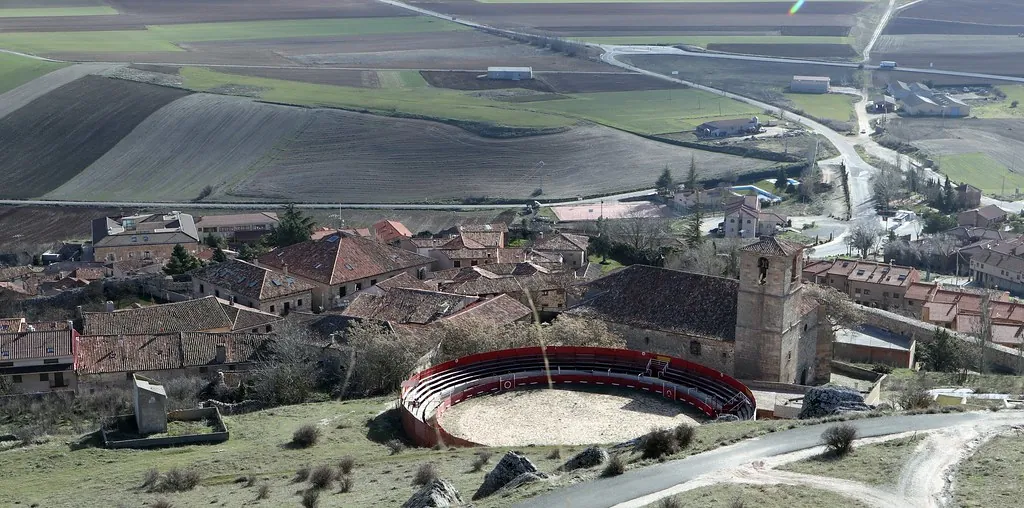
Walled medieval town of great historical importance; impressive monumental complex
Hide article Read full article
Atienza, visto desde la carretera
Hay una curva en la carretera, justo antes de llegar, donde el pueblo aparece de golpe. Y lo primero que ves no son las casas, sino la roca. Una peña pelada con un castillo encima, o lo que queda de él. Esa imagen te dice mucho de Atienza antes de bajar del coche: esto va a ser puro hueso.
Estamos en la Sierra Norte de Guadalajara, a más de mil metros. En invierno hace un frío serio. El paisaje tiene ese color pajizo y seco del interior, el de los campos infinitos y los cielos enormes. Aquí viven unas cuatrocientas personas. El pueblo no parece decorado ni preparado para nadie; parece, simplemente, que se ha quedado quieto.
Subir al castillo (y notarlo en las piernas)
La cuesta hacia el castillo no es larga, pero es empinada y el camino es de piedra suelta en algunos tramos. No es un paseo, es una pequeña expedición. Te obliga a ir despacio.
Cuando llegas arriba, entiendes por qué pusieron el castillo justo aquí. La vista domina todo el valle del río Salado. No hay nada alto alrededor, solo colinas redondeadas y llanuras hasta donde alcanza la vista. Se siente la distancia de cualquier ciudad grande.
Del castillo quedan principalmente pedazos de muralla y la planta de lo que fue. No esperes torres completas o salones. Es un lugar gastado por el viento y los siglos. Pero su razón de ser, la vigilancia, la sigues entendiendo perfectamente desde este balcón natural.
Un laberinto con pendiente
El casco antiguo es pequeño y se recorre bien a pie, aunque casi siempre cuesta arriba o cuesta abajo. La Calle Mayor vertebra buena parte del recorrido y aún conserva casas con escudos en la fachada y portones de madera maciza que parecen de otra época.
Si vas sin prisa, ves los detalles: soportales que hablan de un pasado comercial, muros que se inclinan con dignidad después de siglos. Quedan dos arcos de la antigua muralla: el Arco de San Juan y el Arco Arrebatacapas. Este último tiene un nombre genial que te da una pista sobre el clima invernal aquí.
No hace falta un itinerario marcado. Lo mejor es perderse por las callejas, aunque eso implique alguna que otra rampa inesperada.
Iglesias: más de las que tocan
Para su tamaño, Atienza tiene una cantidad notable de iglesias. Algunas ya no tienen culto, pero siguen dando carácter al perfil del pueblo.
La iglesia de San Bartolomé es románica pura, del tipo sobrio y robusto que encuentras por estas sierras. Su portada está tallada con cuidado y dentro guarda restos de otras épocas. Transmite una solidez a prueba de inviernos.
Cerca de la Plaza Mayor está Santa María del Rey, cuya torre es uno de los puntos que recortan el cielo de Atienza desde lejos.
La antigua iglesia de San Gil acoge ahora un museo pequeño pero útil. Tiene piezas religiosas, objetos cotidianos y algo de arte sacro que ayudan a poner contexto a todo lo que ves por la calle. No es espectacular, pero responde preguntas.
Por los alrededores: campo abierto
Los alrededores son territorio para caminar. La Sierra de Pela está cerca, con sus encinas, terrenos pedregosos y pistas agrícolas rectilíneas que se pierden en el horizonte.
Algunos caminos conectan con rutas del Camino de la Lana. Por aquí se anda en silencio; el sonido habitual es el viento y, a lo lejos, algún tractor.
Con unos prismáticos es fácil ver buitres planeando sobre las lomas. A veces se ven otras rapaces. El paisaje no grita; insiste poco a poco.
En verano, el sol aprieta fuerte y la sombra escasea. Ir con agua y sin prisas no es un consejo, es una necesidad.
La Caballada: cuando el pueblo despierta
Atienza guarda una tradición llamada La Caballada. Cada primavera, un grupo de hombres a caballo revive un episodio medieval relacionado con la protección de un rey niño.
Esto no es un espectáculo montado para turistas. Es algo que hace la gente del pueblo por sí misma, generación tras generación. Hay desfiles por las calles, los caballos son los protagonistas y se nota una auténtica corriente orgullo local.
Si coincides con esos días, la atmósfera cambia por completo. El silencio habitual se rompe con algo vivo que nace desde dentro.
En resumen
Atienza es así: subes al castillo para entender dónde estás; paseas por calles vacías que tienen más historia que ruido; miras al horizonte desde cualquier mirador; vuelves al coche sabiendo que esto no es un lugar para buscar emociones fuertes ni postales perfectas. Es áspero, tranquilo y completamente honesto con su propio carácter. Como ese sitio al que vas cuando necesitas aire fresco y cero decorados


