Full Article
about Cendejas de la Torre
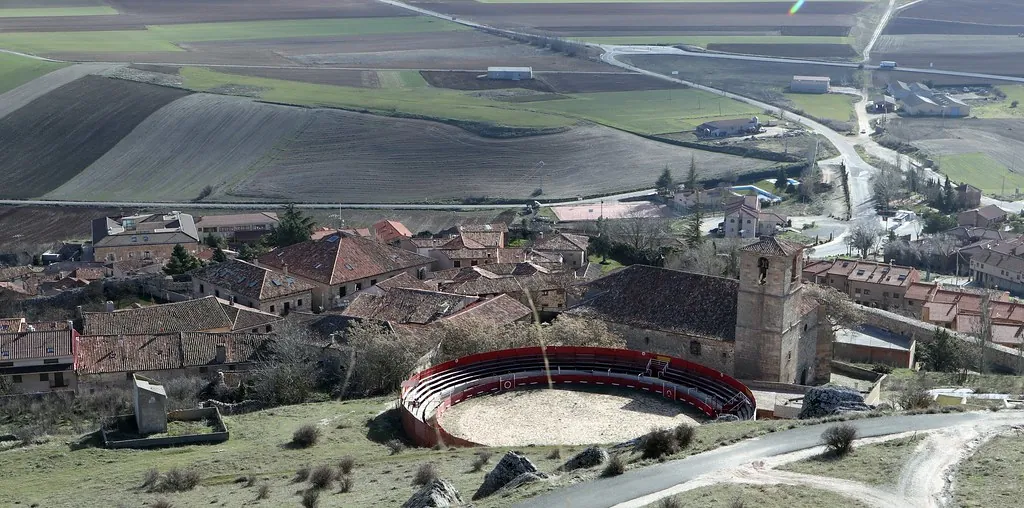
Small neighboring village overlooking the valley; very rural atmosphere
Hide article Read full article
Cendejas de la Torre, en la Sierra Norte
En la Sierra Norte de Guadalajara, a casi mil metros de altitud, el terreno es lo primero. Cendejas de la Torre ocupa una pequeña loma rocosa en medio de un paisaje abierto de encinas, enebros y páramo. Con poco más de veinte habitantes, el tamaño del pueblo aún corresponde al de la tierra que lo rodea.
Las casas se agrupan por necesidad, construidas con la piedra caliza local y adobe, orientadas para resguardarse del viento y captar el sol. No ha habido transformaciones urbanas reseñables; el trazado es el original, con calles cortas y cambios suaves de nivel. En el centro está la iglesia parroquial de Santa María, de origen probablemente siglo XVI con reformas posteriores. Su aspecto es sobrio, como es habitual en esta parte de la sierra. En un núcleo así, este edificio ha funcionado históricamente como punto de encuentro y referencia para una comunidad dispersa.
Un paisaje de horizontes amplios
Desde el pueblo, la vista se extiende sobre páramos y lomas bajas cubiertas de matorral. En días despejados, hacia el norte, se distingue la silueta de Ocejón, un referente constante en la geografía comarcal. Los afloramientos rocosos y los suelos pedregosos son frecuentes; explican en parte por qué la agricultura siempre fue limitada aquí. El uso tradicional del territorio fue mixto: algo de cultivo, ganadería y aprovechamiento forestal a pequeña escala.
La sensación de espacio es lo que define la zona. Hay pocas barreras visuales y el cielo suele sentirse tan presente como la tierra. Esa relación entre el suelo y el horizonte marca cualquier paseo por los alrededores.
Fuentes de piedra y ritmos antiguos
En las afueras del pueblo se conservan algunas fuentes y abrevaderos de piedra. Son construcciones sencillas, hechas para dar de beber al ganado y asegurar un suministro en un territorio seco durante gran parte del año. Algunas siguen en uso.
Estos puntos de agua también atraen fauna. Es relativamente común ver aves rapaces circulando, y hay rastros de pequeños mamíferos que bajan a beber al atardecer. La presencia de animales, domésticos y silvestres, recuerda que la vida aquí siempre dependió del entorno inmediato. En un paisaje donde el agua no está garantizada, estas estructuras son infraestructura esencial: práctica, sin adornos y ligada al ritmo del campo.
Senderos hacia el monte bajo
Varios caminos rurales salen de Cendejas de la Torre hacia zonas de matorral y encinar. No todos están señalizados, algo habitual en esta parte de la sierra. Para caminar más allá del entorno inmediato conviene llevar mapa o GPS.
Conforme los senderos ganan altura y el terreno se abre, es frecuente ver buitres leonados aprovechando las corrientes térmicas. También se menciona la presencia de águilas, aunque esto varía mucho con la estación y el nivel de perturbación. La avifauna aquí está ligada a la quietud y la amplitud del paisaje.
Caminar unos minutos desde el pueblo basta para dejar atrás las casas y que el páramo ocupe por completo el campo visual. No hay paneles elaborados ni miradores acondicionados. El interés está en la transición directa del núcleo habitado al campo abierto.
La luz según la estación
La luz cambia notablemente el aspecto de Cendejas de la Torre a lo largo del año. En primavera, los campos se vuelven brevemente de un verde intenso. El cambio puede ser rápido, conforme la vegetación responde a las lluvias.
El verano trae tonos secos: la hierba se apaga y el suelo pálido se hace más visible en el páramo. El efecto general es de color apagado bajo una luz fuerte.
Si llegan las lluvias otoñales, la tierra adquiere una gama de ocres que destacan contra las lomas abiertas. Las variaciones sutiles de tono se notan más con la luz baja y suave del final del día.
El amanecer y las últimas horas de la tarde suelen ser los momentos más propicios para recorrer las afueras, precisamente por la amplitud del horizonte. El ángulo del sol acentúa los contornos del terreno y la textura de la roca y el matorral.
Cómo visitar Cendejas de la Torre
Cendejas de la Torre es un núcleo muy pequeño sin servicios turísticos. Para comer, comprar o pernoctar hay que desplazarse a localidades cercanas de la Sierra Norte.
Una visita no requiere mucho tiempo. Basta un paseo por sus calles y luego un tramo por cualquiera de los caminos que salen al campo para entender su carácter. No hay monumentos mayores ni atracciones que tachar. Lo que define a Cendejas de la Torre es su posición en el paisaje y la escala mínima de vida rural que aún mantiene.
El interés aquí está en la proporción: un puñado de casas en una loma rocosa, una iglesia que lleva siglos en pie, fuentes de piedra que aún cumplen su función y un horizonte ancho dominado por el páramo y picos lejanos como Ocejón. En la Sierra Norte de Guadalajara, ese equilibrio entre asentamiento y tierra abierta se conserva intacto en Cendejas de la Torre.