Full Article
about Hiendelaencina
Former silver-mining town; industrial heritage and mountain setting
Hide article Read full article
Hiendelaencina, el pueblo que se quedó en pausa
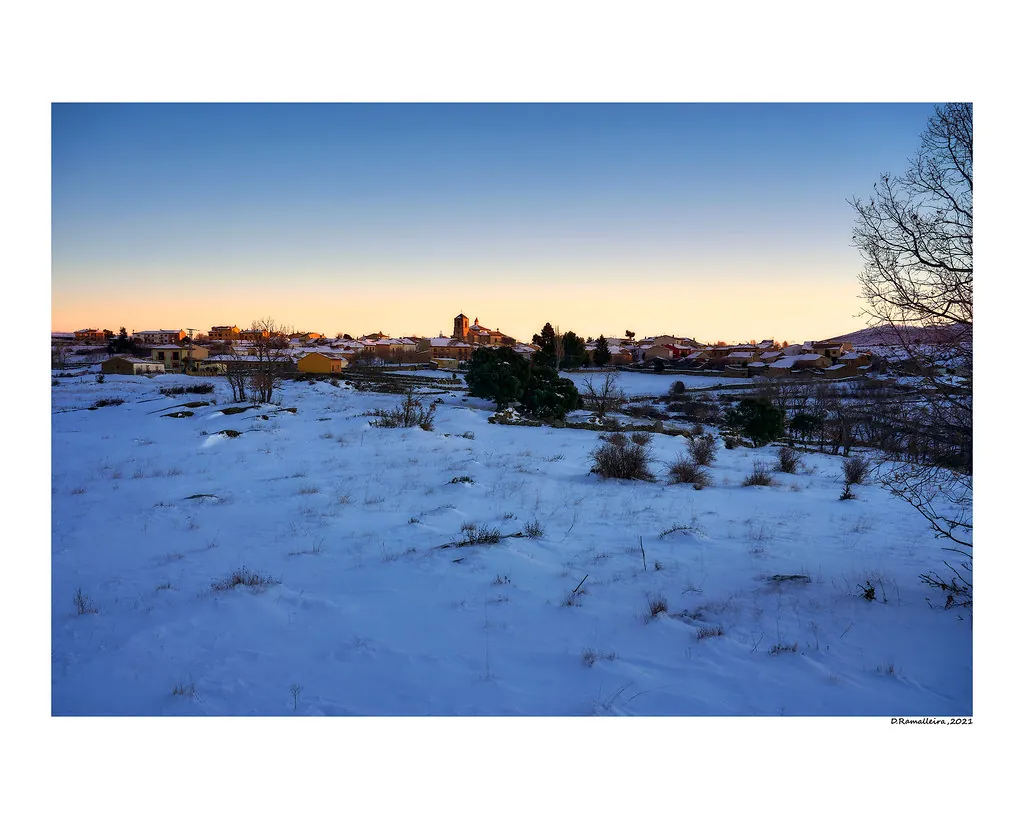
Hiendelaencina es como la casa de un familiar mayor: huele a madera antigua, los muebles llevan décadas en el mismo sitio y hay un silencio cómodo que no encuentras en otros lados. Tiene esa sensación de lugar que pulsó pausa y se quedó ahí.
Apenas viven cien personas aquí, arriba en la Sierra Norte de Guadalajara, y todo el pueblo sigue marcado por algo que ya casi no se ve: la minería.
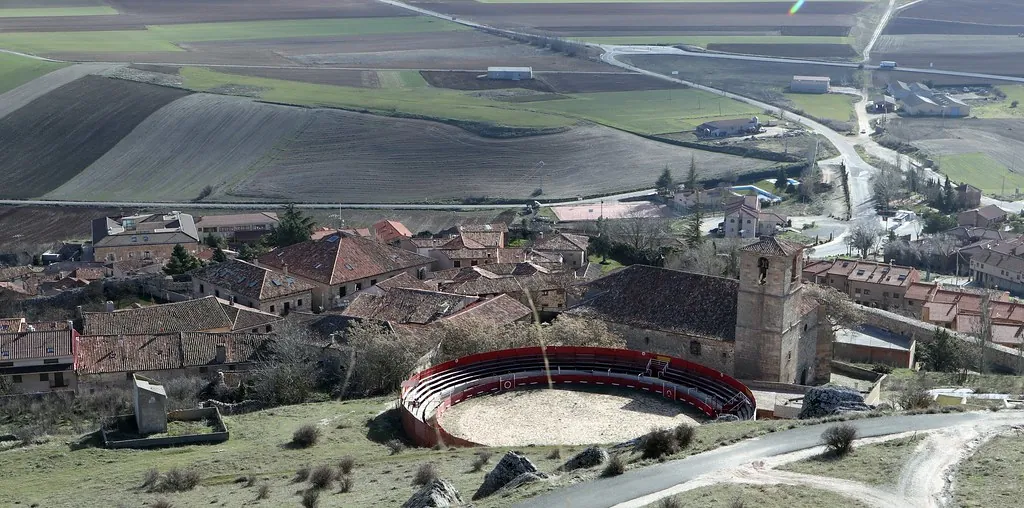
No hace falta buscar mucho para darte cuenta. Las casas de piedra oscura, muchas hechas con pizarra, tienen ese aspecto robusto de los sitios donde el invierno aprieta de verdad. Muros gruesos, tejados a dos aguas, calles que suben y bajan como si el pueblo se hubiera acomodado en la tierra, sin forzarla.
La plaza principal es pequeña, del tipo en el que todo está a tres pasos. En verano se anima cuando vuelve gente a las casas familiares. El resto del año, el ritmo es lento, como si el pueblo se conociera demasiado bien. La iglesia de la Asunción va por el mismo camino: sólida, sencilla, construida para aguantar, no para impresionar.
Plata bajo las piedras
Aquí lo de la minería no es un museo con paneles explicativos perfectamente ordenados. Es más bien como encontrar las piezas sueltas de un rompecabezas por el campo.
Sales del pueblo y empiezas a verlo: bocas de mina selladas, taludes cortados, estructuras que parecen medio olvidadas. Tiene el mismo feeling que toparse con los restos de una fábrica antigua en medio del campo. A veces no sabes exactamente qué era cada cosa, pero entiendes la escala de lo que pasó aquí.
En el siglo XIX hubo un boom minero serio, ligado sobre todo a la plata. Eso dejó marca en el terreno y en algunas construcciones que dan pistas del jaleo que debió haber en estas sierras.
Lo que queda ahora no va tanto de explicaciones detalladas como de ambiente. El paisaje lleva la memoria puesta.
Senderos sin pretensiones (pero con barro)
De Hiendelaencina salen caminos que enseguida se pierden entre los cerros de alrededor. Pinares, robledales y zonas más abiertas donde la tierra parece más ancha. No son rutas de alta montaña ni hacen falta crampones. Son los típicos senderos para andar sin prisa, como salir a estirar las piernas después de comer.
Algunos conectan con pueblos cercanos y cruzan collados desde donde se lee mejor la forma de esta parte de la Sierra Norte: cerros redondeados, manchas de bosque y praderas que cambian mucho con las estaciones.
Conviene ir atento al terreno. La señalización a veces es irregular y tras lluvias fuertes algunos tramos se ponen blandos. Nada grave, pero con calzado decente y un poco de ojo se agradece.
El atractivo aquí no es tachar hitos de una lista. Es moverte por un paisaje abierto y con una actividad tranquila, aunque parezca que no pasa nada.
Setas, zorros y un otoño vivo
Cuando llega el otoño, los bosques alrededor atraen a gente buscando setas. Es una tradición antigua en la zona. Entre robles y encinas puedes encontrar níscalos, boletus y otras variedades menos conocidas.
Desde lejos parece tan fácil como coger champiñones del supermercado, pero no lo es. Si no tienes ni idea de lo que recoges, mejor ir acompañado por alguien que sí sepa.
Paseando por estos bosques no es raro ver algún zorro cruzando o escuchar rapaces arriba. No es un safari constante ni espectacular; es más bien una presencia discreta que te recuerda que la zona está muy viva.
Esa sensación convive con la quietud generalizada. Niego llama la atención a gritos, pero siempre hay algo ahí si te fijas.
Agosto: cuando vuelve (brevemente) el bullicio
El cambio más notable suele llegar sobre el 15 de agosto, con las fiestas de la Virgen de la Asunción. Es cuando regresa mucha gente: los que tienen raíces familiares aquí pero viven fuera casi todo el año.
Las calles se llenan un poco, las conversaciones se agrupan en corrillos y hay procesiones sin demasiada ceremonia. Es algo sencillo y local: gente charlando en grupos mesas puestas fuera unas horas sensación reencuentro pocos días
Fuera esas fechas vida vuelve su ritmo habitual Tranquilo Y luego más tranquilo todavía
Un alto en el camino (literalmente)
Hiendelaencina funciona distinto otros pueblos más conocidos Sierra Norte No encontrarás calles tiendas ni centro histórico entretenga horas
Es más parada corta Llegas das vueltas captas pasado minero te vas cerros alrededor
Tiene algo esos altos carretera piensas parar cinco minutos acabas quedándote media hora No porque haya mil cosas hacer sino porque sitio tiene manera ralentizarlo todo sin darle importancia A veces eso basta