Full Article
about Hortezuela de Océn
Small town in the Duchy of Medinaceli; Romanesque hermitage of value
Hide article Read full article
When the GPS tells you to turn onto a dirt track
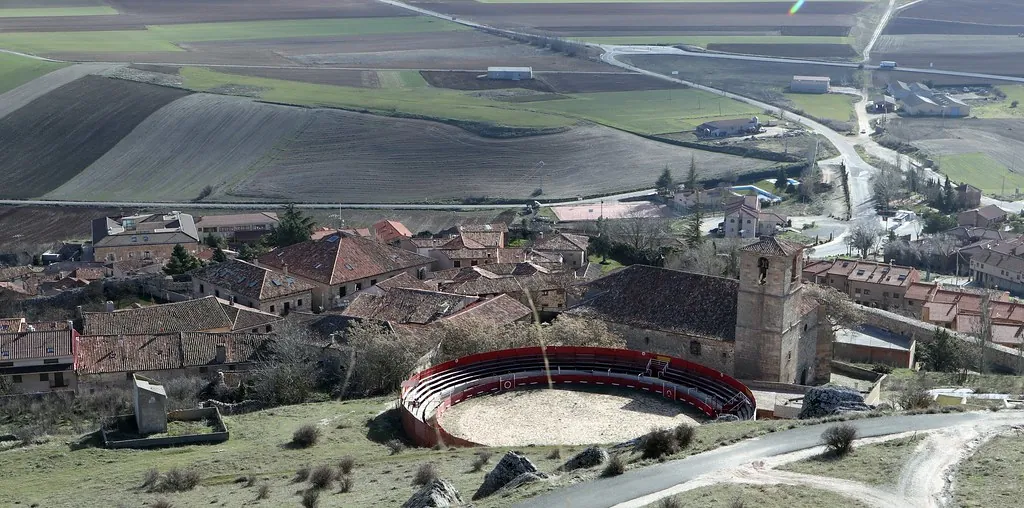
You know you're getting close to Hortezuela de Océn when your navigation app confidently announces a turn, and all that's waiting is a gravel path disappearing into the oaks. It feels less like an arrival and more like a small, deliberate detour from the world. That’s the point of coming here.
The official count says about thirty-two people live here. The place feels both smaller and larger because of it—a handful of streets, but set within a huge, empty expanse of municipality. It’s the kind of village where you park in the first open space you see, because it’s probably the only one.
The weight of quiet
You step out of the car and the first thing that happens is you instinctively talk softer. The silence here has a physical quality to it, broken only by your own footsteps on the stone. Many houses are shuttered, not for the season, but for good. Others are clearly lived in, with tidy little gardens. The air is thin and dry, and you can smell the pine and earth from the surrounding hills.
A walk through the village takes ten minutes if you don’t dawdle. There’s no monument to queue for, no museum plaque to read. You just amble, noticing how a cat watches you from a wall or how geraniums spill from a balcony. Life here isn't curated for you; it just carries on.
The hermitage outside town
A five-minute stroll past the last house brings you to the Ermita de Nuestra Señora de Océn. It’s a humble building made of the same stone as everything else here. It won’t take your breath away with its architecture, but it fits perfectly in this landscape—sturdy, unadorned, and old.
Locals say the door is often left unlocked. If it isn’t, asking around usually finds someone who knows where the key is kept. Inside, it’s cool and smells faintly of old wood and candle wax. You can sit on one of the simple benches for a moment. It’s a good place to just be still.
Finding history scattered in the fields
If you follow the tracks leading out from the hermitage, you might stumble upon the dolmens. I say "might" because they aren't signposted or roped off. They look, at first glance, like random piles of rock left by farmers.
Then you get closer and see the structure: massive slabs forming a chamber that’s been here for thousands of years. Standing next to one gives you a strange feeling. The isolation they were built in is pretty much the same isolation they sit in today. Bring water if you go looking; there's no shade out there.
Don't plan on finding a menu del día
This isn't that kind of stop. There might be a place open for a coffee or a beer if someone is around, but it's not guaranteed. The practical move is to bring your own provisions—a bocadillo, some fruit—and have an impromptu picnic on a bench by the hermitage or under one of the trees in the village.
If you do chat with someone hanging around their doorway, they'll likely mention hunting—partridge, rabbit, wild boar stews in winter. The food culture here is tied directly to this land; it's just not always served on a terrace to visitors.
Why come here at all?
Hortezuela de Océn isn't a destination to fill a day trip slot. It's more like taking a deep breath between two points on a map.
Come for an hour or two on your way somewhere else in this part of Guadalajara. Walk its quiet lanes. Visit that simple hermitage. Look for those ancient stones in the field. Then get back in your car.
What stays with you isn't a checklist of sights seen. It's that specific feeling of having stepped into a place that operates on its own terms, where thirty-odd people have decided this patch of sierra is home, and where silence isn't an absence, but something you can actually hear