Full Article
about La Bodera
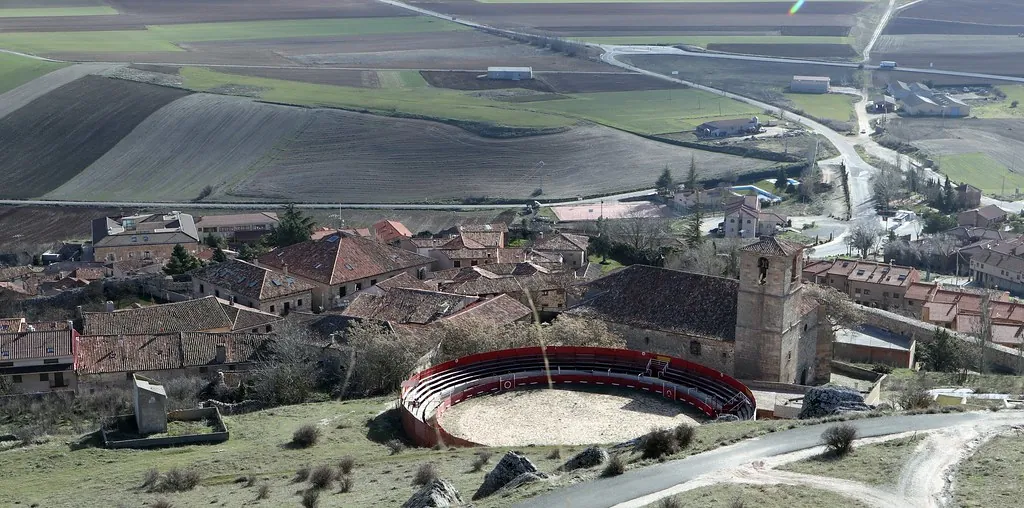
Small mountain village; preserved rural architecture and mountain setting
Hide article Read full article
La Bodera: un nombre en el mapa que casi no está
Hay pueblos a los que llegas por casualidad, porque están de camino a otro sitio. Y luego están los que te llaman solo porque su nombre te hace gracia cuando lo ves en el mapa. La Bodera es de estos últimos. Es ese tipo de lugar del que dices "¿Y si vamos a ver qué es esto?" un sábado por la mañana.
Con sus 19 habitantes y más de mil metros de altitud, está en la Sierra Norte de Guadalajara. La carretera para subir es la típica de montaña: muchas curvas, poco ancha y con la sensación constante de que estás dejando algo atrás. Cuando al final aparece el grupo de casas, no es un "¡ahí está!", sino más bien un "ah, pues ya hemos llegado". Es pequeño. De verdad.
No hay tiendas. No hay calles para pasear. Lo que hay son casas de piedra con tejados de pizarra, pegadas unas a otras como para darse calor en invierno, que aquí es largo. Alrededor, corrales y alguna nave agrícola te recuerdan que esto siempre ha sido más un sitio para trabajar que para visitar.
Un paseo corto y sin florituras
El núcleo del pueblo se recorre en cinco minutos. No es una forma de hablar; cronométratelo si quieres. La calle principal va cuesta arriba hasta la iglesia de Santiago Apóstol, que es el edificio que más se ve. Es sencilla, de una sola nave, probablemente del siglo XVII o por ahí. No tiene grandes detalles, pero su puerta mira al valle con una determinación que da qué pensar.
Desde ahí las vistas se abren. Lo que ves son las lomas cubiertas de robles melojos y pastos donde, con suerte, aún puedes ver algún rebaño. El paisaje es áspero, el de siempre por aquí: matorral, roca y tierra para el ganado. No esperes carteles explicativos ni rutas señalizadas; La Bodera no hace ese esfuerzo.
Donde realmente merece la pena: salir a andar
La gracia del sitio está fuera. Varios caminos salen del pueblo hacia otros valles o aldeas vecinas. Son pistas de tierra, algunas aún usadas por los pocos ganaderos que quedan.
Si te adentras un poco –y merece la pena– empiezas a ver otra cosa: muros de piedra seca medio derruidos, antiguos apriscos para el ganado y bosques donde el roble melojo manda. En otoño el suelo se cubre de hojas y es temporada de setas (ojo con la normativa local si piensas coger). También es fácil ver rastros de corzos o jabalíes; ver a los animales ya es cuestión de suerte y silencio.
Caminar aquí te da la medida real del lugar. El pueblo es minúsculo, pero el territorio que lo rodea es enorme y vacío. La alturea limpia el aire y las vistas en un día despejado son amplias, nada claustrofóbicas.
El pueblo que revive (un fin de semana al año)
Como en tantos pueblos pequeños, la vida social aquí se concentra en las fiestas patronales, que suelen ser a finales de agosto. Es entonces cuando La Bodera se llena –relativamente– con los hijos y nietos del pueblo que vuelven.
Durante esos días hay misa, comidas comunitarias y charlas hasta tarde en la plaza o en las puertas de las casas. Se nota el cambio. El resto del año vuelve la calma habitual, marcada por el tiempo y las tares del campo más que por horarios urbanos.
Es la historia repetida en toda esta sierra: mucha gente se fue durante el siglo pasado hacia ciudades más grandes. La Bodera no ha escapado a eso, pero tampoco es un pueblo fantasma; sigue vivo, aunque sea a fuego lento.
Cómo llegar (y qué esperar)
Llegar aquí requiere paciencia y coche. La carretera está asfaltada pero tiene sus curvas cerradas y tramos estrechos donde dos coches se saludan con cuidado. En invierno puede haber niebla o hielo; conviene mirar el tiempo antes.
Una vez allí aparcas donde puedas –hay algún ensanche junto a la entrada– y lo demás se hace andando.
¿Merece la pena parar? Depende. Si buscas un destino con bares museos y tiendas de souvenirs olvídalo. Si estás recorriendo la Sierra Norte y quieres ver cómo es realmente uno de sus pueblos más pequeños sin maquillaje turístico entonces sí párate.
Date una vuelta a pie mira el valle desde la iglesia respira el silencio (que es casi físico) y sigue tu camino. En una hora has captado su esencia. La Bodera no es para pasar el día; es para entender cómo late esta parte olvidada –y terriblemente hermosa–de Guadalajara. Es ese punto casi invisible en el mapa que cuando lo visitas te hace preguntarte quién decidió quedarse aquí…y por qué