Full Article
about La Mierla
Hidden village in the mountains; known for its holm-oak groves and quiet.
Hide article Read full article
La Mierla, el pueblo que no esperabas encontrar
La Mierla es de esos sitios a los que llegas casi por equivocación. Vas por la carretera de la Sierra Norte, cada vez más estrecha, preguntándote si realmente puede haber algo al final de todo esto. Y de repente, aparece: un puñado de casas de piedra metidas entre lomas y bosque. Viven cuarenta y cuatro personas. El silencio aquí es del tipo físico, el que pesa.
No vengas buscando un plan turístico al uso. Aquí no hay lista de monumentos imprescindibles ni ruta marcada con flechas. La gracia está en lo contrario: en bajar el ritmo hasta que se te olvida mirar el reloj. Lo que define el lugar son las calles cortas, los tejados de teja árabe, el sonido de los pájaros o del viento moviendo las ramas de los robles.
Lo importante no es una cosa concreta, sino cómo el pueblo encaja en el territorio. De sus afueras salen caminos que se adentran en la sierra, veredas que llevan décadas (probablemente siglos) uniendo aldeas. Cruzan pastos y manchas de encina y roble, dibujando una red discreta entre las lomas.
Si subes a cualquiera de los cerros cercanos, la vista se abre a un paisaje de montañas bajas, barrancos y bosque. En otoño los colores se vuelven marrones y ocres; las hojas secas cubren los senderos. En primavera es otro cantar: prados verdes, florecilla silvestre y la sensación de que la sierra despierta después del invierno.
Una arquitectura sin concesiones
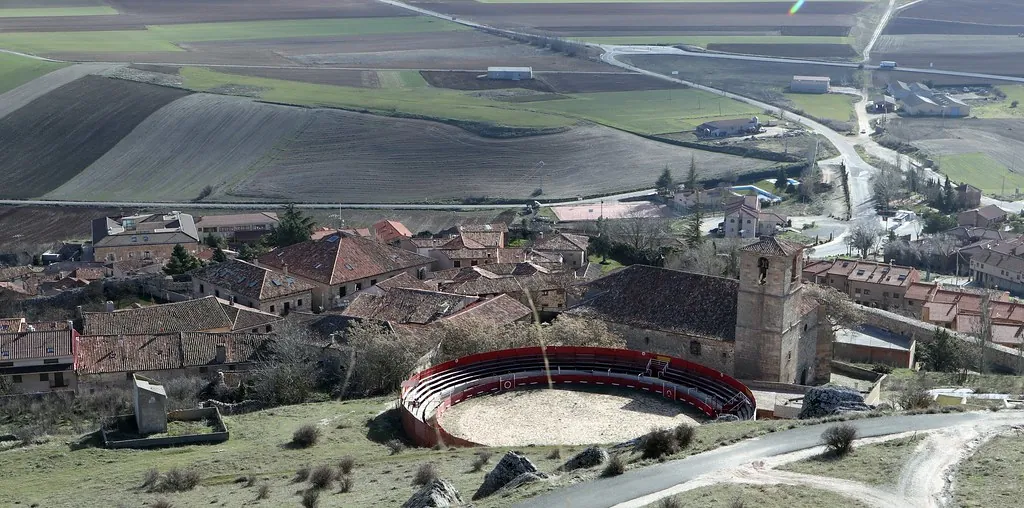
Las casas de La Mierla hablan claro: aquí los inviernos son serios. Muros gruesos de piedra, ventanas pequeñas, construcciones hechas para guardar el calor. No hay fachadas decorativas para impresionar al forastero. Es arquitectura práctica, dictada por el clima y no por la moda.
La iglesia parroquial, dedicada a la Asunción, está en una de las partes altas del pueblo. Por fuera es sobria, con una espadaña sencilla. Dentro guarda elementos más antiguos que son un recordatorio: hasta las comunidades más pequeñas tienen raíces profundas.
Paseando por las calles ves corrales pequeños y construcciones auxiliares entre las viviendas. Hablan de la ganadería que ha mantenido esta zona durante generaciones. En un pueblo así todo está a cinco minutos andando; la vida siempre se ha desarrollado a corta distancia.
Aun así, lo que manda es el entorno natural. Bosques, prados y barrancos rodean La Mierla por todos lados. Das tres pasos más allá de la última casa y en minutos solo se oye el silencio.
Salir a caminar (porque para eso estás)
Lo más coherente que puedes hacer aquí es también lo más simple: elegir un camino y echarte a andar. Muchos son pistas tradicionales que comunican pueblos de la Sierra Norte, atravesando matorral y pastizal.
Algunos caminantes buscan alguno de los picos cercanos o enlazan con rutas más largas por la sierra. Otros prefieren algo más modesto: una hora de paseo y volver sobre tus pasos hacia el pueblo. El terreno permite las dos opciones sin complicaciones.
Con un poco de paciencia es habitual ver aves rapaces trazando círculos sobre los barrancos. Por esta zona es común el buitre leonado planeando sobre las corrientes térmicas. Al anochecer, la casi nula contaminación lumínica hace que el cielo sea decente para ver estrellas.
El paisaje cambia con rotundidad según la temporada. El invierno puede traer nieve a las cotas altas; la primavera pone flores en los bordes del sendero; el verano seca los prados y dora las laderas; el otoño tiñe los robledales de ocres y rojos. Cada época cambia el ambiente sin alterar el pulso lento del lugar.
Sobre comer (y beber)
En La Mierla no hay bares ni restaurantes abiertos todo el año. Es parte del trato: la vida va despacio y los servicios son mínimos.
En pueblos cercanos de la sierra sí hay sitios donde sirven cocina tradicional de la zona. Los platos suelen ir hacia asados de cordero, guisos contundentes y setas cuando es temporada. No es gastronomía elaborada; es la comida pensada para aguantar inviernos fríos en la montaña.
Si vienes unas horas, lo sensato es traer agua y algo para picar, sobre todo si piensas pasar tiempo caminando por los alrededores.
Cuando el pueblo respira
Durante gran parte del año La Mierla se mantiene en su modo silencioso total pero en verano —sobre todo en agosto— cambia algo. Mucha gente con vínculos familiares regresa unos días. Se nota movimiento en las calles. Suelen organizarse celebraciones ligadas a la iglesia. Son eventos sencillos donde casi todos se conocen. En esos momentos queda claro que pueblos como este son algo más que paisaje: son también memoria compartida entre familias.
Cómo llegar (sin sorpresas)
La Mierla está en plena Sierra Norte. Se tarda poco más de una hora desde Guadalajara capital. El último tramo transcurre por carreteritas secundarias de montaña, con curvas y algún paso estrecho típico de este terreno. En invierno conviene consultar el pronóstico antes de salir: las condiciones aquí arriba pueden cambiar rápido y algunas zonas alturas pueden complicarse