Full Article
about La Olmeda de Jadraque
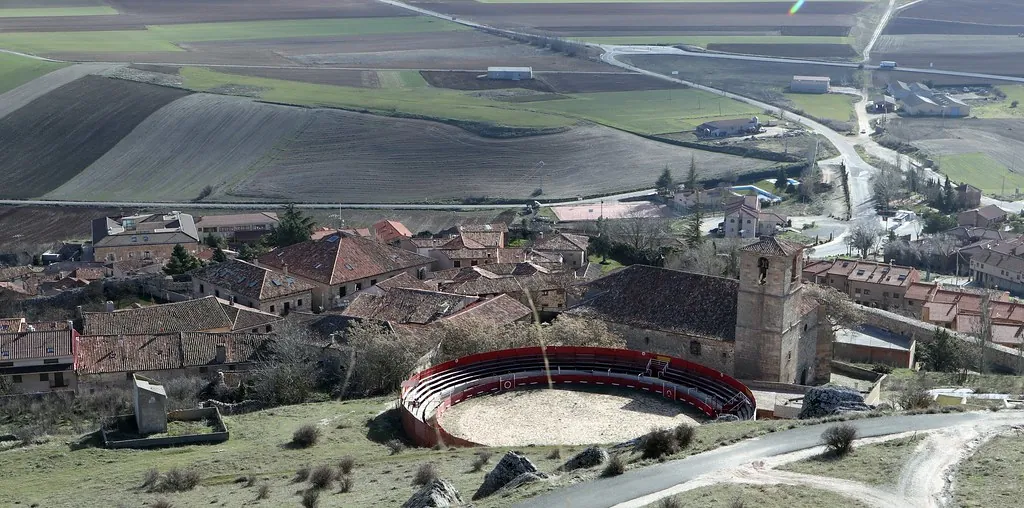
Small settlement with a Romanesque church; surrounded by farmland and scrubland.
Hide article Read full article
La Olmeda de Jadraque: el pueblo que se te queda mirando
Hay pueblos que parecen decorados. Y luego está La Olmeda de Jadraque, que tiene más pinta de esa casa de campo de un tío abuelo donde todo sigue igual desde los ochenta. No por diseño, sino porque aquí el tiempo parece haberse sentado a fumar un cigarro en una piedra y se ha olvidado de levantarse.
Estamos en la Sierra Norte de Guadalajara, en Castilla-La Mancha. El dato clave: viven 18 personas. Lo lees bien. No es un error tipográfico. El pueblo es una sola calle principal, un par de callejones y un puñado de casas hechas de lo que había a mano: piedra, ladrillo, algo de adobe. No hay rotondas con carteles bonitos, ni oficina de turismo, ni siquiera una flecha que te indique que gires. Si llegas aquí, es porque te has perdido o porque querías venir.
Un paseo corto y una sensación larga
Puedes dar la vuelta al pueblo en cinco minutos. Pero lo raro es que a menudo te acabas quedando media hora. No hay "ruta monumental", solo el ritmo lento del sitio. La iglesia, dedicada a Nuestra Señora de la Asunción, es del tipo funcional: pequeña, sin pretensiones, la clase de edificio que sirvió para juntar a los vecinos los domingos y poco más. Se mimetiza con el resto.
No hay plaza con terrazas ni tienda de souvenirs. El sonido habitual es el viento moviendo las ramas de los olmos viejos –de ahí el nombre– y poco más. Esa ausencia de "ambiente" es justo lo que define el lugar.
El paisaje: donde se leen las huellas
La gracia no está solo en las casas, sino en lo que las rodea. La Olmeda está en una zona de transición entre campos de cultivo abandonados y monte bajo. Encinas, quejigos, alguna sabina. Lo que ves es un paisaje honesto: no un parque natural espectacular, sino la tierra tal como quedó cuando dejó de trabajarse.
Sabes ese momento en que ves una pared de piedra medio derruida y cubierta de zarzas? Pues eso, multiplicado por cien. Los linderos antiguos siguen ahí, marcando propiedades que ya nadie reclama. En primavera está verde; en agosto, todo es color paja y tierra; en otoño se ven los contrastes en las laderas.
Mira al cielo y es probable que veas buitres leonados dando vueltas. Aquí son parte del mobiliario.
Los caminos (que todavía son caminos)
De La Olmeda salen varias veredas antiguas hacia otros pueblos y campos. No están señalizadas como rutas oficiales –no hay paneles verdes con mapas– pero se notan en el terreno. Son los caminos por donde iban los pastores y los carros.
Caminar por ellos tiene ese punto melancólico-bonito: pasas por fuentes ya secas, apriscos derruidos para el ganado y cruces donde debían encontrarse los vecinos. No vas a encontrar miradores con barandilla ni cascadas. Es más bien un paseo para entender cómo se vivía –y se movía– la gente por aquí antes.
La escala es humana: no hay grandes desniveles, las distancias son cortas y da la sensación de que podrías haber estado haciendo este mismo recorrido hace cincuenta años.
Cuando anochece (de verdad)
Aquí viene uno de los motivos por los que merece la pena quedarse hasta tarde: la oscuridad existe. Cuando se va el sol, no hay farolas ni luces decorativas. Solo negro.
Te quedas fuera un rato y sin quererlo acabas haciendo lo único que hay para hacer: mirar arriba. Primero salen las estrellas más brillantes, luego las demás, hasta que parece que alguien ha tirado un puñado de sal sobre un mantel negro. Ves satélites cruzando como puntos lentos. Es algo tan básico que en la ciudad ya ni recordamos cómo era.
El silencio acompaña al oscuro. Sin tráfico ni ruido blanco de fondo, se oye cada perro ladrando en un pueblo a kilómetros y el crujido de tus propios pasos sobre la grava.
Lo práctico (porque esto no es Port Aventura)
Vamos a ser claros: La Olmeda no es un "destino turístico". No hay bares (cerrados), no hay tiendas (cerradas), no hay alojamiento dentro del pueblo. Funciona como una parada breve si estás recorriendo la Sierra Norte por la CM-1011 o la GU-143. Mi recomendación? Ven con el depósito lleno y algo de agua en el coche. Date una vuelta a pie, recorre uno de esos caminos antiguos hacia ningún sitio en particular, y luego sigue tu ruta hacia pueblos con más vida como Jadraque o Atienza, donde sí puedas encontrar donde comer o echar gasolina.
Este tipo de lugares no te venden nada. Te enseñan cómo era esto antes, cuando cada piedra del camino tenía un propósito. No es bonito-pintoresco. Es real, y a veces eso cansa menos