Full Article
about Miedes de Atienza
Historic village on the Cid route; traditional architecture and archaeological sites
Hide article Read full article
Miedes de Atienza: un pueblo de la paramera
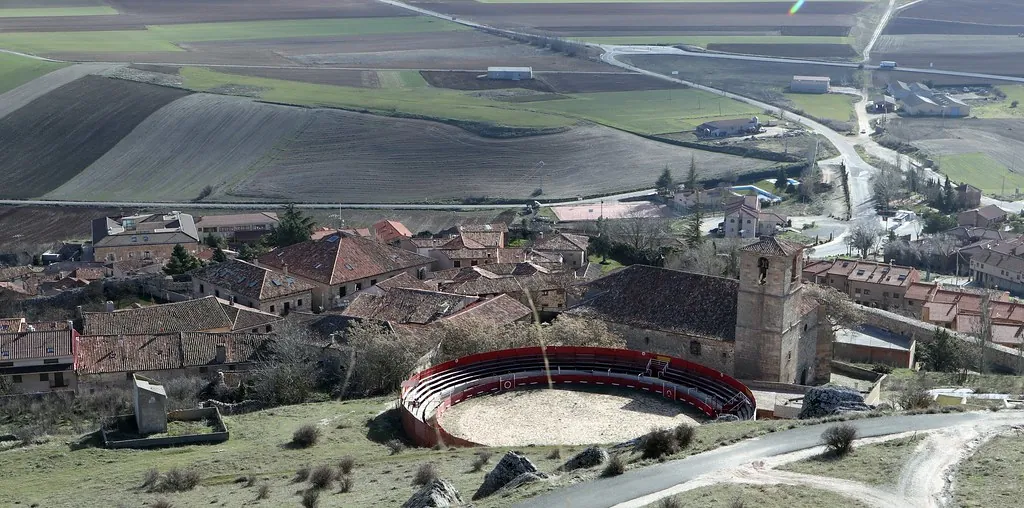
Miedes de Atienza se encuentra a más de 1.100 metros, en la parte alta de la Sierra Norte de Guadalajara. La piedra es el material que domina, el más accesible en una zona de viento y amplitud donde viven unas sesenta personas. El ritmo aquí lo marca esa escala y una cierta lejanía.
Durante siglos, el pueblo dependió de Atienza, centro medieval alrededor del cual se organizaba el territorio. Formó parte de su comunidad de villa y tierra, un sistema que vinculaba económicamente a las aldeas con la cabecera. Esa relación, administrativa y también de caminos, aún se percibe.
El paisaje es el de la paramera: campos de cereal, alguna mancha de encina o enebro, y lomas suaves que dejan el horizonte abierto. En los días claros, al norte se recortan las sierras y al sur se distingue la silueta de Atienza sobre su cerro.
Arquitectura sin pretensiones
El núcleo es pequeño y se recorre en poco tiempo. Las calles se adaptan al desnivel con cierta irregularidad. Muchas casas son de mampostería, algunas con entramado de madera visible y corrales adosados. No es una arquitectura pensada para impresionar, sino para resguardarse del frío y del aire que barre el páramo en invierno.
La iglesia parroquial es un edificio sobrio, probablemente de época moderna con reformas posteriores. Como ocurre en muchos pueblos de la zona, su exterior es lo que más dice: muros gruesos, una espadaña sencilla y una posición ligeramente elevada le dan una presencia sólida, anclada al terreno.
Repartidos por el pueblo quedan elementos de su pasado ganadero: fuentes, abrevaderos de piedra y antiguos bebederos. Son detalles fáciles de pasar por alto, pero ayudan a entender cómo funcionaba el pueblo cuando la población era mayor y la agricultura más activa.
Caminar por el páramo
Miedes funciona más como punto de partida para caminar que como destino de monumentos. Los senderos que salen del pueblo conectan con otras aldeas que formaron parte del territorio de Atienza. Siguen en muchos casos viejos trazados, algunos ligados a la trashumancia o a la comunicación entre vecinos.
Son rutas sencillas, por pistas y caminos rurales. El interés no está tanto en un hito concreto como en atravesar el paisaje: campos abiertos, muros de piedra seca y algún vallejo donde la vegetación se espesa. La sensación de espacio es constante. El horizonte se amplía y el viento suele hacerse notar.
La zona es apropiada para observar aves rapaces. Las corrientes térmicas sobre las lomas atraen a buitres y otras especies, que pueden pasar horas planeando sobre los campos. Con prismáticos y paciencia, es habitual verlos girar en lo alto.
Para comer o hacer compras básicas, la referencia habitual es Atienza, a pocos kilómetros, donde hay más movimiento.
Tradiciones compartidas
Las fiestas locales son en verano, cuando regresan muchos antiguos vecinos. Son celebraciones sencillas, centradas en el reencuentro y en mantener cierta continuidad. En pueblos de este tamaño, que las tradiciones sigan vivas depende a menudo de quienes vuelven cada año.
En la comarca, las tradiciones de Atienza siguen teniendo peso. La más conocida es La Caballada, el Domingo de Pentecostés. Es una celebración histórica ligada al pasado medieval del pueblo, donde los miembros de una cofradía realizan un recorrido a caballo por distintos puntos del municipio. Para quien quiera entender la cultura de esta tierra, verla aporta contexto.
La relación entre Miedes y Atienza es más que proximidad geográfica. Responde a siglos de administración, economía y creencias compartidas. Los caminos aún las unen, y también las costumbres.
Cuándo ir
La primavera y el otoño son probablemente los mejores momentos para recorrer la zona a pie. En primavera, los cereales están aún verdes y el campo presenta un aspecto muy distinto al de los tonos secos del verano.
El otoño trae temperaturas más suaves y una luz especialmente clara sobre la paramera. El aire suele ser frío y la visibilidad puede ser excelente, permitiendo distinguir con nitidez las sierras lejanas y la silueta de Atienza.
El invierno, en cambio, se hace notar con fuerza. El frío puede ser intenso y el viento, constante. Esto también forma parte del carácter del territorio. El paisaje impone sus condiciones y el pueblo se ha adaptado a ellas durante siglos. Los muros gruesos, las calles compactas y las construcciones bajas y robustas son respuestas prácticas al clima.
Miedes de Atienza no tiene grandes monumentos ni fiestas multitudinarias. Su interés está en su escala, en su altitud y en la continuidad con un pasado rural que sigue visible en la piedra, en los caminos entre los campos y en las tradiciones que aún lo vinculan a Atienza.