Full Article
about Tortuero
Hidden village in the mountains; slate-and-wood architecture
Ocultar artículo Leer artículo completo
The Village That Forgot to Grow
Twenty permanent residents. That's fewer people than you'll find queuing for coffee at a Manchester service station on a Friday afternoon. Tortuero sits at 900 metres in Guadalajara's Serranía region, a collection of stone houses that never quite got the memo about rural tourism. There's no artisan bakery, no boutique hotel occupying the former convent, no Sunday craft market. What exists is considerably more interesting: a place where the clock runs differently, where silence has actual weight, and where your mobile phone becomes an expensive paperweight.
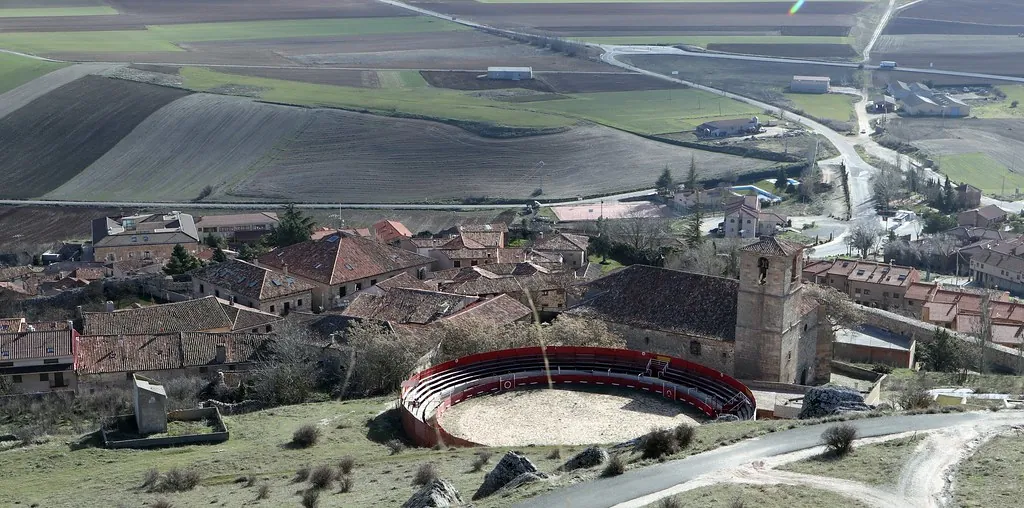
The approach tells the story. From Guadalajara city, it's 90 minutes of winding mountain roads that narrow alarmingly as you climb. The last eight kilometres feel like someone's private driveway. When the village appears—suddenly, around a bend—you understand why it stayed small. Buildings huddle together against the wind, their stone walls thick enough to withstand winters that regularly touch minus fifteen. This isn't postcard Spain. It's Spain as it was, as it still is when nobody's watching.
Walking Into Nothing, Finding Everything
Tortuero's genius lies in what it lacks. No entrance fee, no interpretation centre, no gift shop selling fridge magnets. The village itself takes twenty minutes to walk through, assuming you stop to read the weathered plaque on the church door. The church, incidentally, opens when someone's bothered to collect the key from María—who you'll find at house number seven, unless she's gone to check on her son's goats.
But walk past the last house and everything changes. Proper mountain country starts immediately. Oak forests stretch for miles, criss-crossed by paths that exist because people still need to reach their livestock. These aren't constructed walking trails with colour-coded arrows. They're working paths, maintained by use rather than municipal budgets. In spring, wild asparagus pushes through the grass. Autumn brings mushrooms that locals guard with the intensity of state secrets. The going can be rough—proper boots essential, water more important than Instagram shots.
Birdwatchers should bring decent binoculars. Booted eagles circle overhead. You'll hear cuckoos in May, their calls echoing across valleys that feel empty until you start looking properly. Then it hits you—this is what much of Spain looked like before the rural exodus. Dry stone walls built by hand. Caves used for storing cheese. A landscape that fed families for generations, now largely forgotten.
The Seasonal Reality Check
Summer brings a modest population boom. Maybe fifty people if the weather's kind. August fiestas happen when enough former residents can get time off work—usually the second weekend, though nobody commits in advance. There's a communal meal in the square, someone brings speakers for music, teenagers who've grown up in cities discover their grandparents' village has mobile signal only if you stand on that specific rock by the fountain.
Winter is brutal. Snow arrives early, stays late. The road becomes impassable for days. Electricity fails. When this happens, the village functions as it always did—wood fires, oil lamps, food from the garden. It's romantic for approximately six hours. Then you remember why rural life emptied out. The few remaining residents are tough in ways most of us can't comprehend. They stay because leaving would mean admitting defeat, and Castilians don't do defeat gracefully.
Spring and autumn offer the best compromise. Temperatures sit comfortably in the teens. The surrounding countryside either bursts into life or stages a spectacular exit. More importantly, the access road behaves itself. You might even find the village bar open—though calling it a bar stretches definitions. It's someone's front room with a fridge and two tables. Beer costs €1.20. They don't do food, but they'll sell you crisps and point you toward the nearest proper restaurant, twenty minutes' drive away.
The Honest Practicalities
Staying overnight means self-catering or driving elsewhere. The village has two rental houses, both converted from family homes by people who left for Madrid but couldn't bear to sell entirely. Expect stone walls, wood fires, spectacular starry skies. Also expect to drive for bread, to find the shower pressure disappointing, to realise how much noise you normally live with. Tortuero's silence can feel oppressive after dark. Bring books. Download films before you arrive. Make peace with your own company.
Eating options within the village don't exist. The nearest restaurant's in Tamajón, twelve kilometres away. It's decent—roast lamb, local cheese, wine that costs less than bottled water. Lunch is 2pm to 4pm, dinner 9pm to 11pm. Turn up outside these hours and you'll go hungry. The chef's wife will apologise while explaining that this isn't London, and you'll feel appropriately foreign.
What Tortuero offers isn't for everyone. Some visitors last two hours before fleeing toward civilisation. Others find something they didn't know they were missing—a reminder that places still exist where community means sharing resources rather than WiFi passwords, where entertainment comes from conversation rather than streaming services, where the landscape dictates human rhythms rather than the other way round.
The village will never be trendy. There are no plans for a cookery school, no organic farm shop, no yoga retreats. Just stone houses, mountain paths, and people who've chosen the hard road over the easy lie. In an age of curated experiences and authentic travel, Tortuero delivers something accidentally radical—authenticity without the performance, Spain without the sales pitch. Whether that's what you actually want is another question entirely.