Full Article
about Alamillo
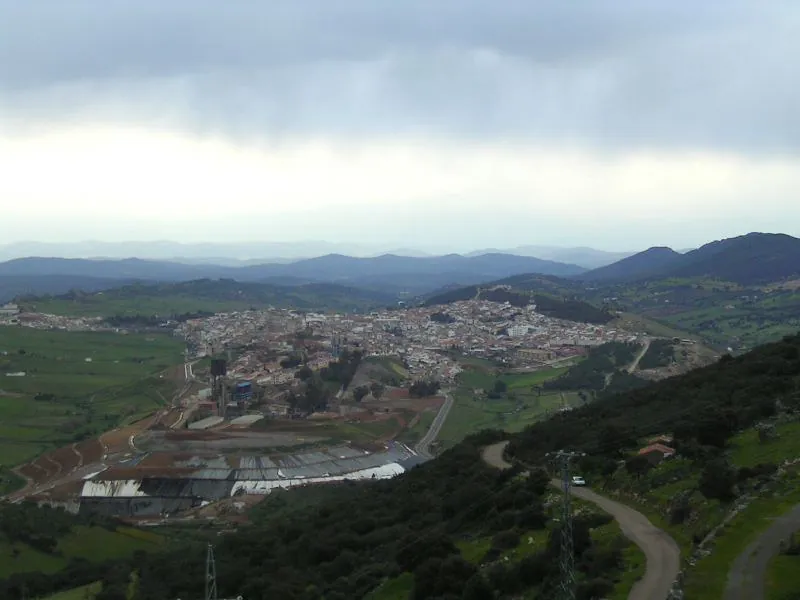
Small village in the far southwest, known for its quiet and holm-oak setting; ideal for rural tourism and rest.
Ocultar artículo Leer artículo completo
Alamillo wakes before the sun. At 06:30 the first pick-ups rattle down Calle Maestra, heading for the dehesa that fans out beyond the last street lamp. By seven the plaza smells of strong coffee and diesel; old men in berets debate sheep prices while the bakery hauls out trays of coca manchega. This is not a village that has to try hard to be authentic—it simply never stopped being so.
Five hundred souls, one doctor, two bars, no cash machine. The nearest supermarket is 19 km away in Piedrabuena, which is also where the secondary-school bus goes each morning. What Alamillo does have is 449 metres of altitude and an uninterrupted view of the Sierra Madrona at dawn, when the light turns the cork-oak trunks copper and the black vultures begin to rise on the thermals.
The Clock That Runs on Hooves
The valley’s human calendar was fixed long before smartphones. October means the return of the trashumante herds from the northern summer pastures; locals stand by the ring road with plastic cups of anís to welcome the sheep through. March brings the burning of the last-year’s stubble in the olive groves—pyres you can smell in the centre of the village. Easter is quiet, almost private: a midnight procession that starts from the parish church, swings once round the plaza, and is back inside before the dogs finish barking.
Visitors expecting souvenir stalls will be disappointed. Apart from a Saturday-morning farmers’ stall (eggs, honey, the occasional partridge), commerce is strictly for residents. The two bars—La Cruz and Casa Paco—serve as bank, post office and employment exchange. If you need change for the village parking meter, you ask Antonio at La Cruz; if the meat delivery lorry has broken down, the driver’s mobile number is pinned above the coffee machine.
Walking shoes, not flip-flops. The streets are cobbled in the old part, but the moment you leave the houses you’re on agricultural track: wide enough for a tractor, dusty in July, axle-deep in mud after the April storms. The signed footpath network is embryonic; the local hiking group has painted a few yellow way-marks, yet it is still wise to carry the IGN 1:50,000 sheet 918-II or, better, download the free track from the provincial tourist board. A straightforward 8 km loop south-east of the village climbs gently through dehesa, passes the ruined cortijo of El Romeral (stone walls good for a picnic out of the wind) and returns along the seasonal stream that once powered two olive oil mills. Allow two and a half hours, plus time to stand still and watch imperial eagles if the rabbits are out.
What Passes for Nightlife
Evenings revolve around the plaza. Metal tables spill onto the stone, grandmothers gossip on the bench beneath the plane tree, and teenagers drift in on scooters bought second-hand in Puertollano. Order a caña and you’ll be given a saucer of olives still bitter from the brine; order a manchego and the cheese arrives cut thick, the rind stamped with the dairy’s registration number. House wine is from Valdepeñas, sold at €1.80 a glass, and nobody apologises for the price.
Food is meat-heavy and proud of it. Gachas, a thick flour-and-paprika porridge once eaten by shepherd boys, appears on Thursdays in Casa Paco. Migas—fried breadcrumbs with scraps of chorizo—are weekend breakfast. If you ask for a salad you will be brought lettuce, onion and tinned tuna: accept it or drive to Ciudad Real. Vegetarians survive on tortilla and beer; vegans should pack supplies.
The fiesta proper lasts four days around the 15 August. A temporary bar is erected in the bull-ring, a cover band from Jaén plays 90s Spanish rock, and at two in the morning the mayor hands out slices of watermelon to anyone still upright. The bull-running is modest: two heifers trotted through the streets by adolescents who know the animals by name. Accommodation doubles in price for those four nights; book early or sleep in the 24-hour petrol station forecourt 12 km away—staff tolerate campervans if you buy coffee.
Getting There, Staying There
No train. The high-speed line between Madrid and Seville flashes past 30 km to the west, but the nearest station is Ciudad Real, 75 minutes by AVE from Atocha. From there you need a car—Alamillo is 75 km on the N-420, then the CR-CV-501, a road so empty you can set the cruise control and watch kites for company. Petrol is cheaper at the Repsol just outside Piedrabuena; fill up because the village pump closed in 2019.
Accommodation is limited to four options: two village houses converted into self-catering casas rurales (€65–€85 per night, two-night minimum), the Hostal El Valle on the main drag (12 rooms, €45 with breakfast, dogs accepted for €5), and a scattering of private rooms let by word of mouth—ask in La Cruz. Sheets are always included, heating in winter is hit-or-miss, and Wi-Fi disappears when the electricity flickers. Mobile coverage is reasonable on Vodafone, patchy on EE equivalents; WhatsApp calls drop in the thick stone houses.
Bring layers. At 449 m the nights cool quickly even in July; in January the thermometer can skate to –5 °C and the narrow lanes ice over. The village sits in a rain-shadow—annual rainfall is barely 400 mm—so when it does rain the red clay turns slick and boots acquire a kilo of extra weight. Spring arrives suddenly in late March; by May the dehesa is loud with cuckoos and the smell of broom.
The Price of Silence
Alamillo will never feature on a coach-tour itinerary, and that is precisely its appeal. Yet the very absence of services that deters mass tourism can catch out the unprepared. Sunday lunchtime everything shutters; if you haven’t bought bread on Saturday you’ll be eating crisps. The medical centre opens only weekday mornings; after that the Guardia Civil posts the duty doctor’s mobile number on the door. English is rarely spoken—learn at least “¿Hay una habitación libre?” and “La cuenta, por favor.”
Stay longer than two days and people remember your face. By the fourth coffee the barman will anticipate your order; the old man with the beret will nod. You will be invited to the evening domino session beneath the town hall arcade, and someone’s cousin will produce a bottle of homemade anisette that tastes of liquorice and aftermath. Accept. Alamillo’s real monument is its stubborn continuity: a place where the dehesa still dictates the clock, and where, for the moment, the twenty-first century feels like an optional extra.