Full Article
about Brazatortas
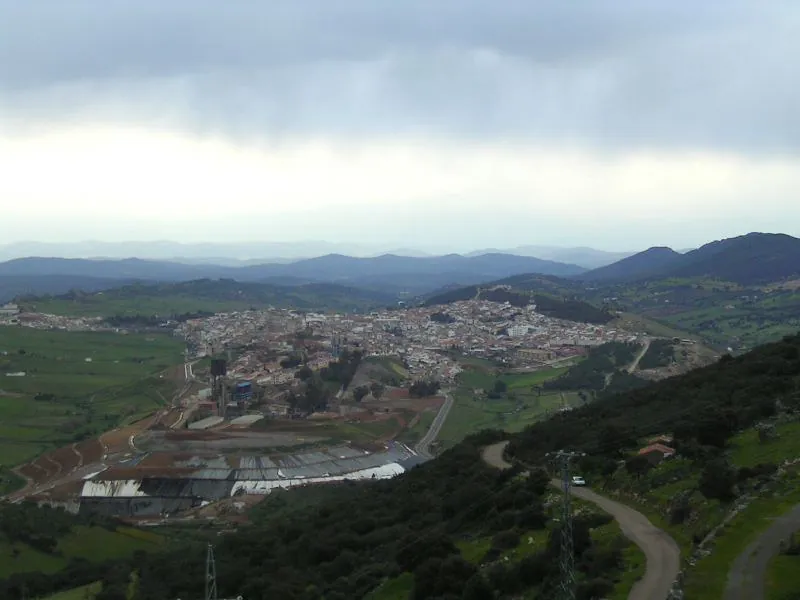
Set in the heart of the Alcudia Valley amid vast dehesa; known as the birthplace of Antonio Gala.
Ocultar artículo Leer artículo completo
The church bell strikes noon, but nobody checks their watch. In Brazatortas, time moves with the shadows of holm oaks across the dehesa, and the only rush hour happens when shepherds move their flocks between pastures. This village of 1,050 souls sits in the Valle de Alcudia, 70 kilometres south of Ciudad Real, where the N-410 road peels away from the main drag and the 21st century starts to lose its grip.
The Dehesa District
Brazatortas doesn't do dramatic. The landscape rolls rather than soars, a patchwork of oak-studded grassland that looks deceptively wild until you notice the centuries-old stone walls and the deliberate spacing of trees. This is dehesa country—Spain's answer to parkland, where every oak has a job description. Acorns feed the black Iberian pigs in autumn, shade the Retinta cattle in summer, and provide charcoal for the village's bread ovens in winter.
The system works. Drive in during March and you'll see farmers burning pruning piles, the smoke hanging blue against fresh green pasture. Come back in October and those same fields host mushroom hunters with wicker baskets, scanning the ground for níscalos that fetch €20 a kilo at Ciudad Real's market. The rhythm never changes, which explains why the village's only cash machine sometimes runs out of money on weekends—locals still plan around harvests, not bank holidays.
Walking starts from wherever you park. The GR-48 long-distance path skirts the village, but the real pleasure lies in improvising through the network of farm tracks. Head south towards the Arroyo de la Vid and you'll find Roman bridge remains, though nobody's stuck a gift shop next to them. The going's easy—this isn't mountain territory, though at 620 metres above sea level the air carries enough altitude to make a morning walk feel pleasantly brisk.
What Passes for Sights
The 16th-century church of San Pedro keeps watch over Plaza de España, its whitewashed bulk more functional than pretty. Inside, the paintings are folk-art crude and all the more affecting for it. The local priest still rings the bells by hand—ask at the ayuntamiento and they'll probably let you climb the tower for views across the valley. No charge, though dropping a couple of euros in the restoration box keeps the roof tiles attached during winter storms.
The town's other monument sits outside the cemetery: a granite fountain where women washed clothes until the 1970s. The water still runs, sweet and cold, and you'll spot villagers filling plastic bottles despite every house having mains supply. "Tastes of something," explains 82-year-old María Jesús, though she's hard-pressed to define what that something might be.
Architecture buffs should lower expectations. Brazatortas grew organically, adding rooms as families expanded, which creates a pleasing jumble of brick and stone but no standout buildings. Instead, notice details: the way every ground-floor window has iron bars wide enough to pass a milk churn, the boot scrapers built into doorways, the bread ovens now converted to garden sheds.
Eating Like You Mean It
Forget tasting menus. The village's three restaurants serve food that would make a cardiologist weep and a farmer weep with joy. At Mesón Los Parra, the migas arrive as a mountain of fried breadcrumbs studded with chorizo and grapes—order for two and feed four. They'll bring a ceramic jug of local red wine, unlabelled and costing €6, that tastes like the glass was an afterthought.
Casa Amparo opens only at weekends and sells out of gazpacho pastor by 3pm. This isn't the cold tomato soup Brits recognise—it's a thick stew of game, flat beans and wild herbs that shepherds cooked over juniper fires. The meat changes depending on what hunters bring in; partridge in winter, rabbit in spring, occasionally wild boar when the population needs culling.
For lighter fare, Bar California does decent tapas at the counter. Try the local cheese—queso de oveja cured in olive oil—paired with membrillo (quince paste) made by someone's aunt. The oil comes from Moral de Calatrava, 20 minutes down the road, and carries enough bite to make supermarket versions taste like candle wax.
When the Village Parties
August transforms the place. The fiestas patronales bring back descendants who've swapped Madrid for Melbourne, creating a population spike that strains septic systems and patience in equal measure. Brass bands march at 7am, fireworks explode at 2am, and the plaza's mobile bar serves tinto de verano to teenagers who'll regret it tomorrow. Book accommodation early—there are exactly 12 rooms in the entire village, and August fills them with second cousins twice removed.
January's San Antón celebration offers more authenticity. Farmers lead horses, dogs and the occasional pet rabbit to the church for blessing. The priest sprinkles holy water over baskets of newborn chicks while their owners gossip about rainfall predictions. Afterwards everyone crowds into the sports hall for cocido—chickpea stew cooked in cauldrons big enough to bathe in.
Spring brings romerías, pilgrimage days when families decamp to country shrines with picnic tables and enough food to survive a siege. If invited—and newcomers often are—bring wine or dessert. Turning up empty-handed marks you as the worst kind of tourist, even if you live 500 metres away.
Getting Here, Staying Put
No trains. No buses on Sundays. Brazatortas demands wheels, preferably with decent suspension—the last 12 kilometres from the N-420 involve enough potholes to test shock absorbers. From Madrid it's two hours via the A-4 to Valdepeñas, then cross-country through Santa Cruz de Mudela. The route passes Don Quixote windmills at Consuegra if you need tourist credentials for the journey.
Accommodation runs to two options: Casa Rural La Dehesa offers three rooms above the baker's, breakfast included (toast, olive oil, tomato, coffee—no cornflakes in sight). Alternatively, El Chaparro provides self-catering apartments converted from an 18th-century olive press, complete with original grinding stones that make navigating to the bathroom at night a toe-stubbing adventure.
Bring cash. The village's lone ATM belongs to Cajasur, temperamental at best and empty during fiesta week. Cards work in the supermarket and petrol station, but María Jesús selling honey from her garage door deals exclusively in coins. The honey's worth it—thyme-scented and gritty with pollen, nothing like the blended stuff filling British supermarkets.
Pack for temperature swings. At 620 metres, mornings can hit zero in February while afternoons reach 18°C. Summer brings the reverse—35°C at 3pm, dropping to 15°C once the sun clears the Sierra Morena. Layers aren't fashion statements here; they're survival gear.
Leave before you "discover" it. Brazatortas works because it doesn't work for tourism—yet. The baker still knows every customer's name, the mayor serves behind the bar on busy nights, and the concept of "attractions" remains gloriously foreign. Come for three days, walk the dehesa, eat too much, and depart before you start suggesting they really ought to open a boutique hotel. Some villages are perfect precisely because they haven't realised anyone might want to visit.